


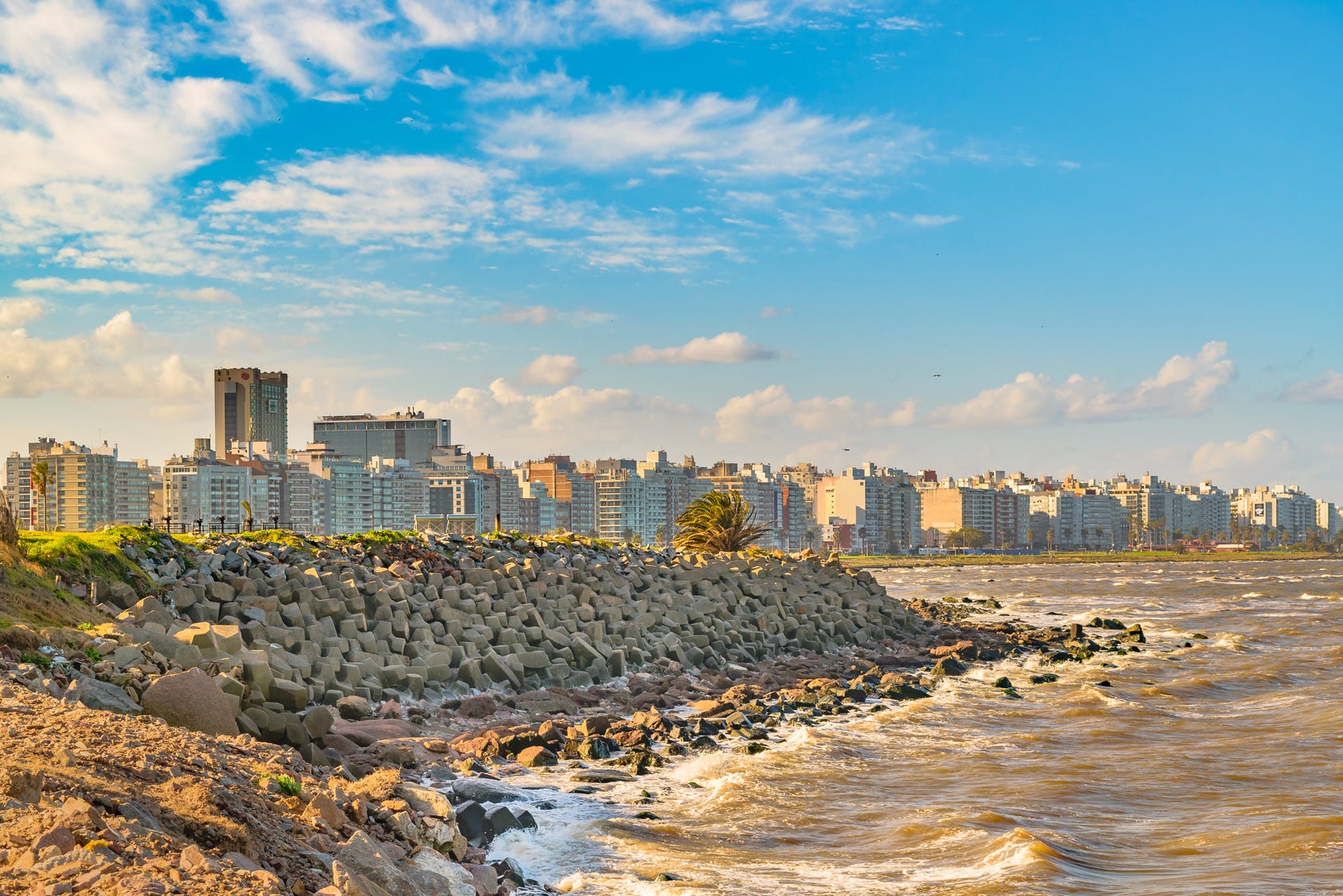
A quieter life, far from the noise
A walk along the rambla at sunset, with half of Montevideo out doing the same thing, a thermos of mate under every other arm. A small apartment a block from the river, or a house in a beach town that empties out in March and gets lovely. A country where the news is mostly about the weather and the football, elections are calm and change hands politely, and a doctor's appointment doesn't come with a bill that ruins the month.
That's the wish people bring to Uruguay. Not adventure. Quiet. A place far enough from the noise that they can hear themselves think, settled and decent enough that the paperwork, the bank and the health care simply work.
Uruguay also comes with a reaction from the family. As one reader put it, "Everyone we know thinks we're crazy." Most Americans couldn't point to it on a map, and the ones who can ask why you'd go so far. The households who do go tend to stop explaining after the first year.
I looked hard at Uruguay for my own household in October 2026, and in the end it wasn't the right fit for us. That says nothing about yours. For the right household, it's one of the calmest second bases in the hemisphere.
This report is about getting there in the right order. Uruguay rewrote how it taxes new residents on January 1, 2026, and the old advice you'll find online is now wrong in ways that cost real money. None of it is hard to get right once you know where the new lines sit.
The life
Where Americans actually land. Three places, mostly. Montevideo, the capital, has most of the country's big hospitals, its embassies and nearly all of its international flights; the neighborhoods along the river, Pocitos, Punta Carretas and Carrasco, are where newcomers start. Punta del Este and the coast east of it, toward José Ignacio, for people who want the ocean and can live with a town that fills up in January and goes quiet the rest of the year. And the small towns of the interior and the old river port of Colonia del Sacramento, for people who want land, a slower pace and a ferry to Buenos Aires.
A good week. Picture a couple in their sixties in a rented apartment in Punta Carretas. He walks the rambla most mornings and has opinions now about which bakery does the best medialunas. She volunteers two afternoons a week and is taking Spanish classes she claims to hate. Sunday is the feria, the street market, then a long asado at a neighbor's that starts at two and ends after dark. In January the kids and grandkids fly down for the summer, which is the southern summer, so Christmas happens at the beach. Nobody is in a hurry, and nobody seems to mind.
What it costs. Uruguay is not the cheap Latin America of the brochures. Imported goods, cars and electronics cost more than at home, Punta del Este in summer runs higher again, and health care costs much less. Everyday life, from the feria to the buses to the mutualista fee, is predictable; it's the one-off purchases that sting. Rent first and price your own month before you commit.
Health care. This is one of Uruguay's quiet strengths. Most of the country gets its care through mutualistas: private, nonprofit health cooperatives that run their own clinics and hospitals, with a public network, ASSE, alongside. A resident living on foreign pensions or investments generally joins a mutualista directly and pays a monthly fee that rises with age and plan, so get quotes from two or three. Older applicants should ask early about age limits and pre-existing conditions, and many keep an international policy for care outside the country.
People. Uruguayans are reserved at first and generous once you're in, and almost everything social runs through two habits: mate, shared, and the Sunday asado. The country is secular, informal and unflashy; showing off is the fastest way to stay a stranger. Outside a few circles in Punta del Este and Carrasco, you'll need Spanish for the doctor, the landlord and the neighbors. The households that are happiest took the language seriously in year one.
The verdict
Where Uruguay stands: one of the most stable, free countries in the Americas, steady for residents, with a new tax line on foreign investment income that every newcomer has to plan around. Current as of November 6, 2026.
What works. Uruguay scores 97 of 100 with Freedom House, sixteen points above the United States and ahead of Chile and Costa Rica. It ranks 17th in the world on corruption, ahead of the US, and 43rd of 163 on peacefulness, where the US ranks 134th. Power changes hands cleanly; the 2025 change of government moved the country left without moving its institutions. Residence is open to anyone with a steady income, with no fixed legal minimum. Uruguay doesn't tax pensions or Social Security paid from abroad, has no general inheritance or gift tax, and its mutualistas give good, affordable care.
What doesn't. The new tax rules, first. Since January 1, 2026, a new resident pays 12% on foreign dividends, interest, rents and capital gains unless they qualify for the tax holiday, and the cheap property route to that holiday is gone. Second, a quirk at the end of the road: naturalized Uruguayans are citizens but, under the constitution, not nationals, and their passports list their birth country as nationality, which has caused problems for some holders abroad. The government sent Parliament a bill to fix that in October 2026. Third, the slow parts: a residence file that takes months, banks that ask hard questions about money, and doctors, flights and English that thin out fast outside Montevideo.
None of that is a slide. Uruguay's press freedom ranking, 48th of 180, is the one middling score among the freedom indexes, and it still sits well ahead of the United States at 64th.
Uruguay fits the household that wants a quiet, decent, unflashy life a long way from the noise, values health care and civility over glamour, and will learn Spanish. It's strongest for retirees living mostly on pensions and Social Security, which Uruguay leaves alone, and for households ready to spend more than half the year there, now the cleanest way into the tax holiday.
Uruguay fits poorly the household that wants to split the year evenly and still get the holiday cheaply, anyone living mainly on a large portfolio who won't be there 183 days, anyone who needs English daily, and anyone who wants the grandkids a short flight away.
The bottom line: Uruguay is a sound second base for the household it fits, once the tax question is settled before the move, not after.