


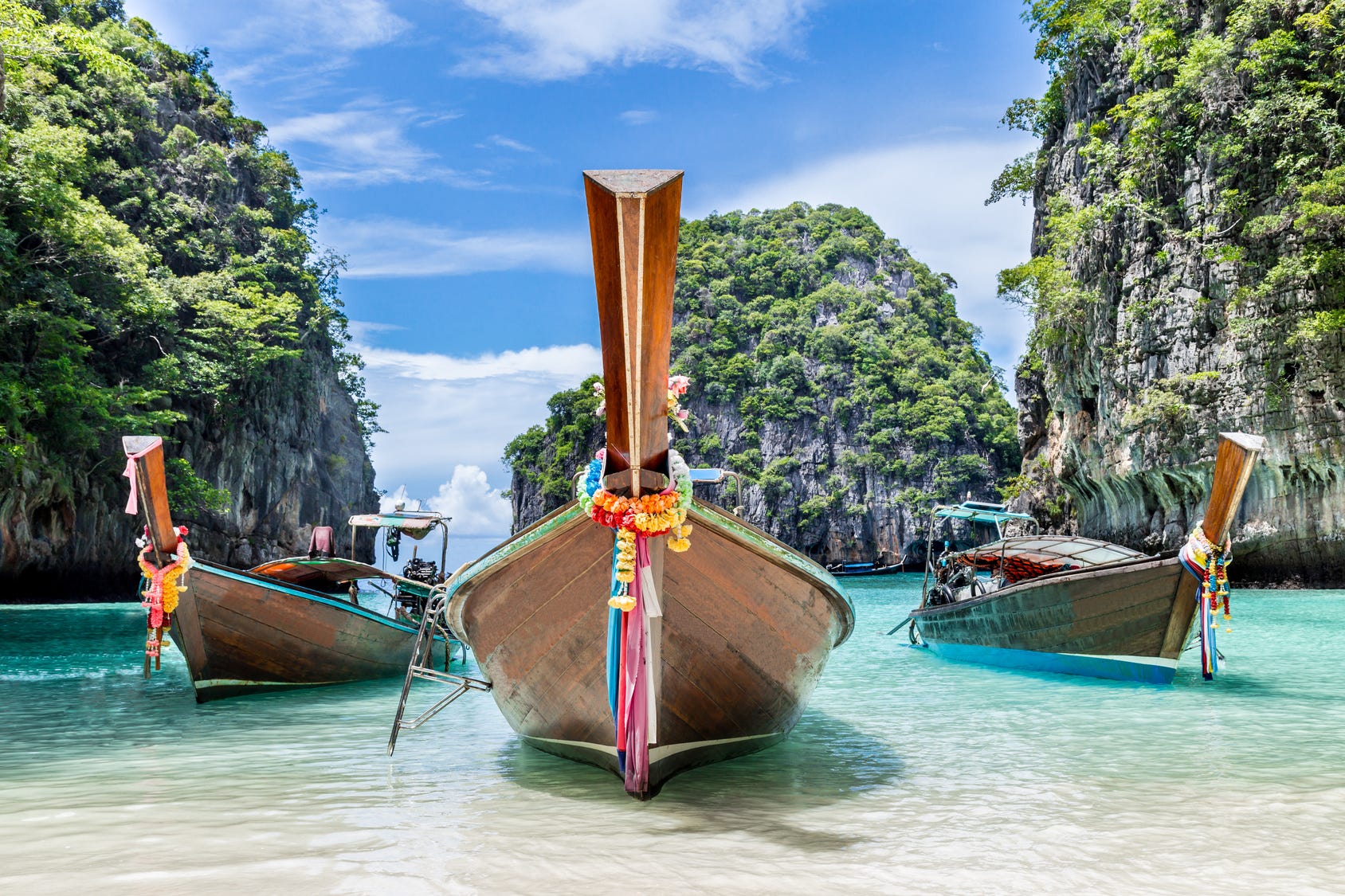
Warmth, ease and a little more room
Mornings that start warm. A condo with a pool you actually use, or a house on a quiet lane outside Chiang Mai with the mountains at the end of the road. Lunch at a place with plastic stools and the best noodles you've had all year. A specialist who sees you the same week, in a hospital that feels like a good hotel. A budget that stretches far enough that the question stops being whether you can afford the life and becomes what to do with the afternoon.
That's the wish people bring to Thailand: an easier, warmer, more generous version of the life they already have, with the money still where it should be and a flight home whenever they want one.
Then they tell the people they love. As one reader put it, "Everyone we know thinks we're crazy." The picture people at home carry is usually a backpacking trip from decades ago. The households that make it work aren't crazy. They simply know more about the place than their friends do.
What I'd check first if this were my household isn't the visa. Thailand's long-stay visas are among the simplest anywhere for a retiree with savings. It's the money. Since January 1, 2024, Thailand taxes its residents on foreign income they bring into the country, and the way that rule meets the US tax treaty decides whether Thailand is the bargain it looks like or an expensive surprise in year two. Handled in the right order, it's very manageable. That order is what this report is about.
The life
Where Americans actually land. Most settle in one of four kinds of place. Chiang Mai and the cooler north, for people who want mountains, a slower pace, a big foreign community and private hospitals within reach. Bangkok, for people who want a real city, the country's best hospitals and an airport with flights to almost everywhere. Hua Hin and the coast south of the capital, a long-established retiree town with golf and beaches, a few hours' drive from Bangkok's specialists. And the islands, Phuket and Koh Samui above all, for people who want the sea and don't mind paying resort prices for it.
A good week. Picture a couple in their sixties in a rented condo in Chiang Mai. He walks to the market early, before the heat, and has learned enough Thai to get the good mangoes. She volunteers two mornings a week with a group that teaches English and has made more Thai friends that way than he has. Wednesday is the long lunch with two other couples, one from Ohio and one from Denmark. They swim most afternoons. Twice a year they fly home. In between, the kids come to them, and the grandkids talk about the elephants for a year.
What it costs. Daily life is inexpensive by American standards: food, local transport, a cleaner once a week, a massage you stop thinking of as a treat. What isn't cheap is anything imported, the private hospitals foreigners use, international schools and the islands in high season. The costs that surprise people are the structural ones: health insurance that rises with age, flights home, and the tax question in the money section.
Health care. Thailand's private hospitals in Bangkok, Chiang Mai, Phuket and the bigger towns are excellent, English-speaking and quick. The public universal coverage scheme is for Thai citizens; a foreign retiree can't join it, or the social security health system, unless working for a Thai employer. So the plan is private insurance plus cash for routine care. The one thing to settle early is the insurance, while you're young and healthy enough to get a policy without exclusions.
People. Thais are gracious, patient and slow to show irritation, and a foreigner who is polite, learns a few phrases and shows respect for the monarchy and for Buddhism finds the welcome warm and lasting. Most households build a mixed life: a foreign community for the long conversations, Thai neighbors, a temple fair or a volunteer group for belonging. Family visiting from the US can stay 30 days without a visa, which covers most holiday visits.
The verdict
Where Thailand stands: an easy, safe and welcoming place for a foreign resident to live, run by a political system that is less free than daily life there suggests. Current as of November 13, 2026.
What works. A retiree over 50 with savings or a pension can get a long-stay visa with paperwork rather than a lawyer, and the ten-year Long-Term Resident visa got easier in February 2025. Private health care is first-rate at a fraction of American prices. Same-sex marriage has been legal since January 23, 2025. And politics has settled for now: the governing party came first in the February 8, 2026 election, and parliament returned its prime minister in March with a comfortable majority.
What doesn't. Three things. The money: the 2024 rule taxing foreign income that residents bring in is in force, and the relief floated in 2025 is still a draft. Permanence: for a retiree there's no realistic road to permanent residence or citizenship. And the political system, read in proportion. Freedom House rates Thailand Not Free, at 33 of 100: below Malaysia, Indonesia and the Philippines, all Partly Free, and above Vietnam. V-Dem records it as moving back toward democracy. For a foreign resident it shows up in one place, the criminal limits on speech about the monarchy. It doesn't reach a residence permit, a bank account or a hospital bed.
Two pressures are near-term rather than structural: a border conflict with Cambodia that flared twice in 2025 and is held by a ceasefire that remains shaky, and a sluggish economy.
Thailand fits the household of 50 or older living on pensions and savings that wants warmth, low daily costs and excellent private medicine, and is content to renew a permit each year. It fits especially well the wealthier retiree who qualifies for the Long-Term Resident visa and its exemption from Thai tax on foreign income, and the part-year household that winters there and stays under the tax line.
Thailand fits poorly the household that wants permanent residence or a second passport, anyone determined to own a house on its own land, anyone with health conditions an insurer will exclude, and households for whom living under a free political system is non-negotiable.
The bottom line: Thailand is a superb second base for the household it fits, as long as the money is arranged before the first transfer lands.