


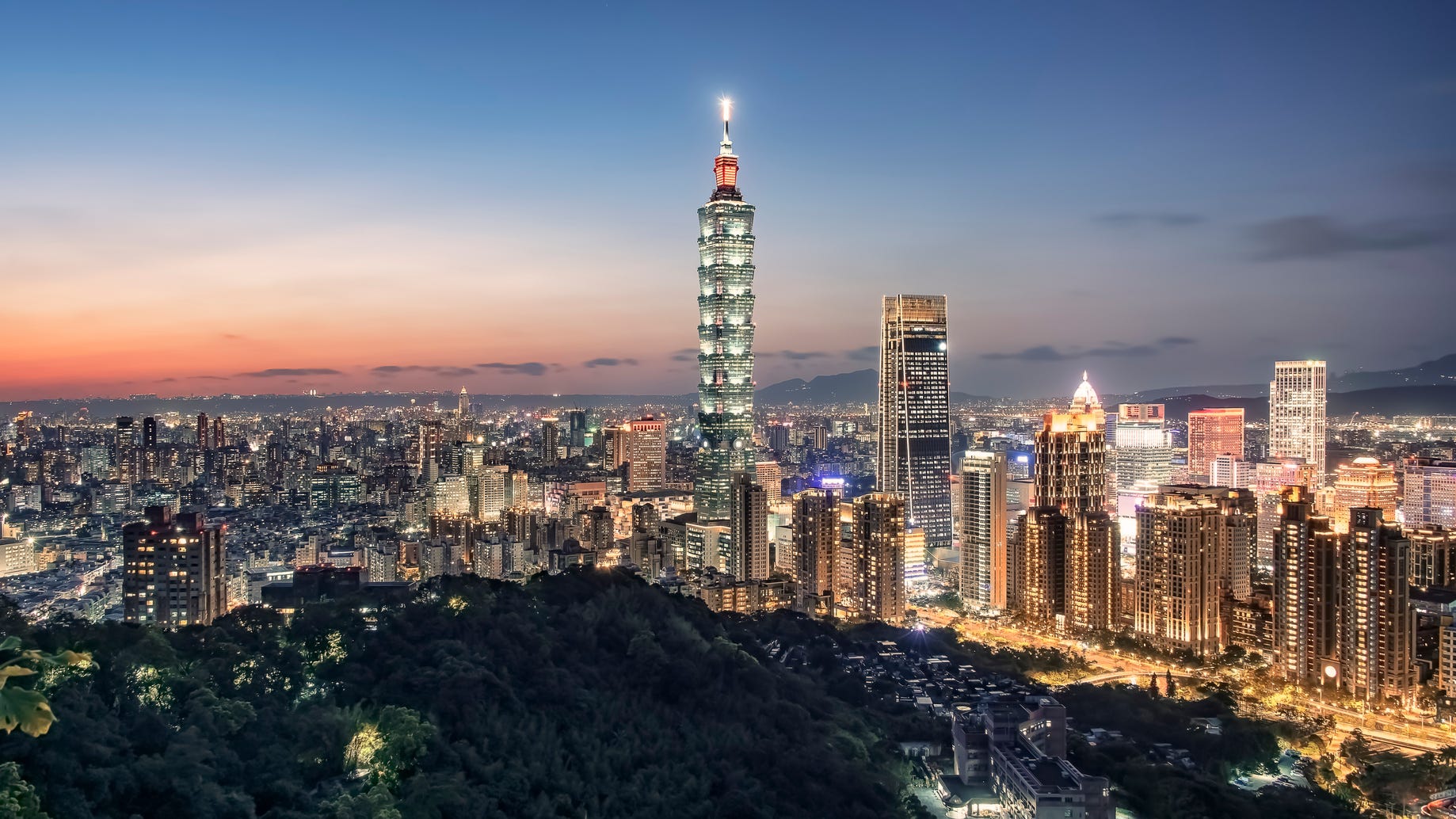
A modern life, gently paced
An apartment in Taipei with the mountains at the end of the street, or a quieter block in Taichung where the breakfast shop starts your soy milk when it sees you coming. A subway that arrives when the sign says it will. Night markets on Friday, a hot spring an hour away on Sunday, and a city where you stop clutching your bag on the train.
That's the wish people bring to Taiwan: a modern, safe, courteous life in Asia, with health care that works and a cost of living that leaves room for the things you came for.
The wish usually arrives with a fear attached, and one reader put it better than I can: "What if we're lonely and broke in the wrong country, missing the grandkids, and then it all goes back to normal here?" Taiwan sharpens every part of that question. It is a long flight from most American families. It has no visa built for retirees. And it sits across a narrow strait from a neighbor that claims it.
What I'd check first, if this were my household, is whether the door fits us. Taiwan's door is unusual: it was built for professionals, and it is open wider than most Americans realize, including to people who have stopped working. The second thing I'd check is the security picture, read in proportion rather than in headlines. The third is the money: Taiwan taxes foreign income unusually, mostly in your favor.
None of these is a reason to look away. Each has an answer, given here in order. The household that gets them right gets one of the best-run lives in Asia, and keeps the way home open the whole time.
The life
Where Americans settle. Most land in Taipei: Da'an and Xinyi for people who want the city at their door, Tianmu and Beitou on the northern edge for space and hot springs. Taichung, in the middle of the island, gets the best weather and lower rents. Tainan and Kaohsiung in the south are older, warmer and slower. The high-speed rail ties it all together.
A good week. Picture a couple in their sixties renting an apartment in Taichung. Mornings start with egg crepes at the breakfast shop. Mandarin class is Tuesday and Thursday, going slowly, which nobody minds. Wednesday is a hike with a group that's half Taiwanese and half foreign. Once a month it's the train to Taipei for a museum and dinner. The grandkids come for two weeks every summer and spend most of it eating. The video calls home happen at breakfast, because the family is a dozen or more hours behind.
What it costs. In my reading, Taiwan is easy on a household budget almost everywhere outside central Taipei. Food, transport and health care cost a fraction of their American equivalents. Taipei rents are high by local standards and still below what most large American cities charge.
Health care. Taiwan runs a single national health insurance system that covers almost everyone, and foreign residents with a residence card are required to join once they've lived there six months. Working holders of the Gold Card can join at once. Until you're in, you carry private cover. Once you're in, care is fast, modern and inexpensive, and the large hospitals in the major cities have doctors who are comfortable in English.
People. Taiwanese people are warm, curious and patient with foreigners making an effort, and the effort that matters most is the language. Mandarin is the daily language, with Taiwanese widely spoken in the south. English carries you through Taipei and much less far outside it. The households that are happiest take lessons from the first month, join something (a hiking club, a church, a volunteer group, a temple festival committee) and accept that some paperwork will need a friend to read it. You can stay fully American and still belong.
The grandkids. This is the honest weak spot. Taiwan is far from almost every American family, and no amount of good planning shortens the flight. The households that make it work build the visits into the plan from the start: a summer that's theirs, a winter trip home, and a part-year shape if one long absence would be too much.
The verdict
Where Taiwan stands: a free, safe, well-run democracy that works very well for the household living there, under a security shadow from China that is decades old and heavier than it was five years ago. Current as of November 13, 2026.
What works. Taiwan scores 93 of 100 with Freedom House, twelve points above the United States. It ranks 42nd of 163 countries for peacefulness, where the US ranks 134th, and 28th in the world for press freedom, where the US ranks 64th. The economy is booming on the world's demand for chips: it grew 8.76% in 2025. Health care is universal and excellent. Taiwan's regular income tax doesn't reach most foreign income.
What doesn't. There is no retiree visa. Citizenship would mean giving up your American passport, so permanent residence is the end of the road. There's no US tax treaty. And a divided government is gridlocked: the constitutional court sat frozen for a year and is still seven justices short.
Then there's China, which has to be read in proportion. Beijing claims Taiwan, has never renounced force, and has stepped up military pressure over the past five years: named exercises around the island in December 2025, and a large unannounced naval deployment in early November 2026. That is a real, low-probability, high-consequence risk, not a sign that daily life is unsafe: on every measure above, a resident is safer and freer in Taiwan than in most of the world. The answer is a second base that never burns the bridge home.
Who it fits. Professionals still earning, or recently retired with a good salary in the last three years; households with Taiwanese family; households with a little over $900,000 they're comfortable parking in Taiwan government bonds; and anyone who wants an Asian city life on a part-year plan.
Who it doesn't. Long-retired households with no recent salary record and no wish to tie up capital; families that need to be a short flight from the grandchildren; anyone the cross-strait risk would keep awake at night; and anyone looking for a second passport.
The bottom line: Taiwan is a superb second base for the household whose door fits, built as a second base rather than an exit.