


Late dinners, full streets, and room to breathe
An apartment with a terrace and a lemon tree in a pot that somehow survives. A morning walk to the bakery where they already know you want the barra, not the baguette. Lunch at two that drifts into the afternoon because the table is good company. Streets still full of families at ten at night, grandparents included. Sun most of the year, a train that gets you to the next city faster than you could drive it, and a doctor's appointment that doesn't come with a bill you have to fight.
That's the wish people bring to Spain. Not a permanent vacation, and not an escape: a warmer, more sociable week, close enough to home that the kids can visit on a long weekend, with the money still where it should be.
I've read this one the way most of you will come to it: from the outside, as an American household looking at a country that is easy to love and easy to underestimate. Where it helps, I'll tell you what I'd check first if this were my household.
Spain is one of the best second bases in Europe for an American household. It is also a country whose rules are tidy on paper and particular in practice: a visa that quietly requires you to live there more than half the year, a tax system that changes at regional lines, and a reporting form that still matters after the courts took its teeth out. As one reader put it, "We have money, but not enough to survive a massive mistake." None of those has to become one.
The life
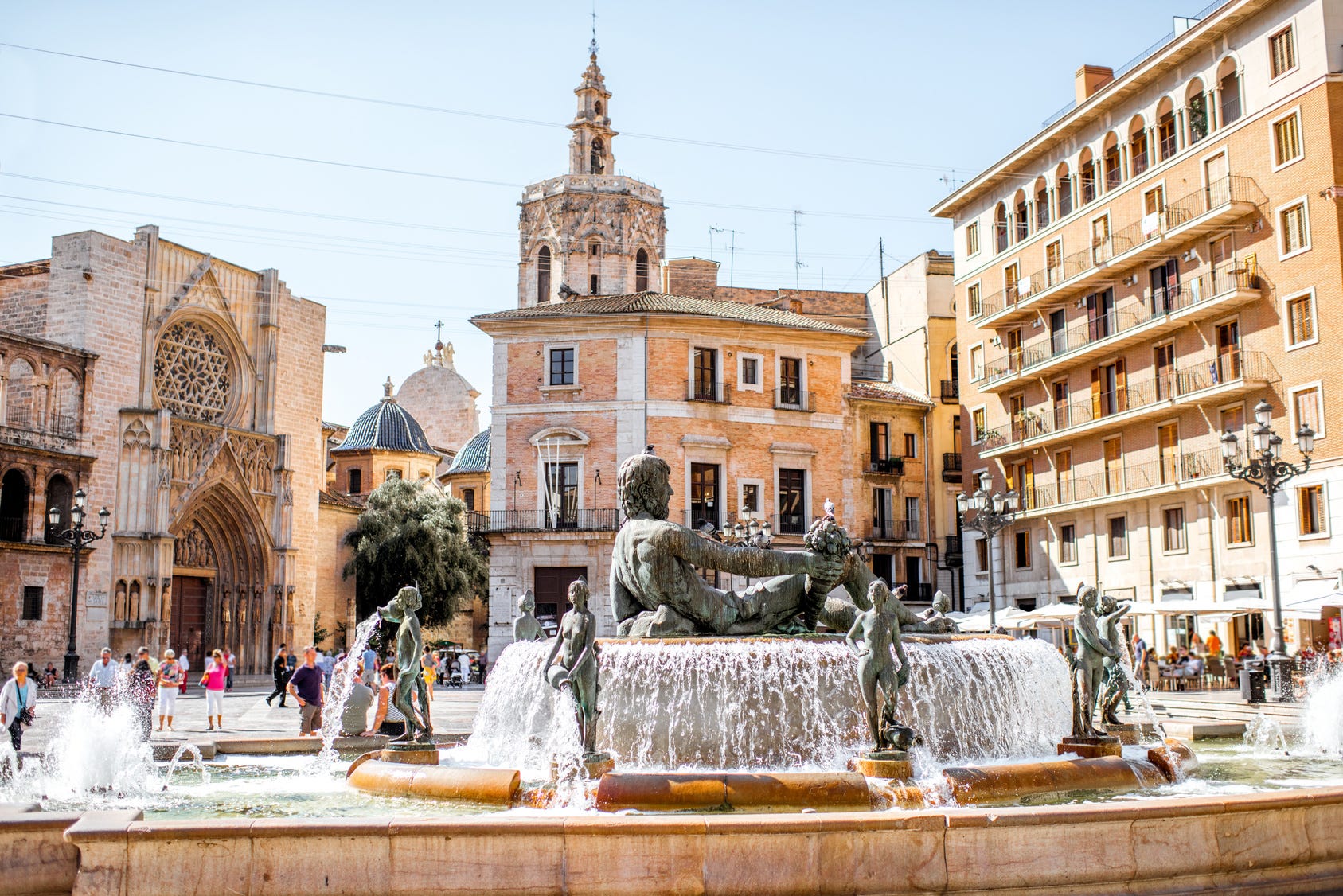
Where Americans actually land. Americans mostly choose one of four settings. Madrid and Barcelona for a real capital: museums, direct flights home, and neighborhoods where you never need a car. Valencia for a big city at a gentler pace, with a beach at the end of the tram line. The Costa del Sol and the Alicante coast for sun, golf and an English-speaking community already in place. And, increasingly, the smaller cities inland and in the north (Seville, Granada, San Sebastián, Oviedo), where the life is more Spanish and the housing more forgiving.
A good week. Imagine a couple in their early sixties renting in Valencia, a ten-minute walk from a covered market. He has taken up cycling along the old riverbed park through the city. She volunteers two mornings a week teaching English conversation. Most days they eat their main meal at two, at home or at a set-menu place around the corner. Thursday night is intercambio, a language exchange at a bar where the Spaniards want English practice and the Americans want Spanish. Their daughter flies in for a long weekend in March, and in July the grandkids discover that dinner at ten is the best rule they've ever been allowed to break.
What it costs. Madrid, Barcelona and the big coastal cities are no longer cheap. Almost everywhere else, a comfortable life costs noticeably less than in a large American metro. The surprises are fixed costs: the private health policy the visa requires, an accountant who files in two countries, and, in some regions, a wealth-tax return your American adviser has never seen.
Health care. Spain's public health system is universal and widely regarded as good, with real differences between regions. A household on the passive-income visa doesn't get it automatically: the visa requires comprehensive private cover, which most retirees keep for speed and English-speaking doctors. After a year living in Spain and registered with your town hall, a resident with no other public cover can buy into the public system for a flat monthly fee, higher from 65.
People. Spaniards are open, social and quick to include you in a conversation, and slower to include you in the family table, which comes with time. The happiest households learn Spanish early, sign up for something with a weekly rhythm, and accept that official business runs on appointments and paper. You can stay entirely American and still belong; the plaza doesn't ask for your passport.
The verdict
Where Spain stands: a stable, free country that works very well for a household ready to live there most of the year, with the investment door closed and the passive-income door open. Current as of November 6, 2026.
What works. The passive-income visa is intact and its income bar hasn't moved since 2023. The teleworker visa gives working households a legal door. Spain is free, scoring 91 of 100 with Freedom House, well above the United States, and safe, ranking 27th of 163 countries for peacefulness, where the US ranks 134th. It tops Europe on LGBTQ+ law and offers abortion on request. Health care, trains and city life are among the best in Europe.
What doesn't. Three things, all manageable once you see them. The golden visa ended on April 3, 2025, so buying property no longer buys residence. The passive-income visa is a full-time commitment: you must live in Spain more than half the year to renew it, which puts you inside the Spanish tax system. And Spain taxes wealth as well as income, with the bill depending heavily on which region you choose.
On the indexes, the one move worth naming is press freedom: Spain slipped six places, to 29th of 180, this year. That still places it in the top sixth of the world and well ahead of the United States at 64th. It's a free press under more pressure, not a country heading anywhere frightening.
Spain fits the passive-income household ready to live there most of the year, that wants city life, sun and good health care, and can afford a cross-border accountant. It's especially strong for LGBTQ+ couples and families, and for working households who can use the teleworker visa and its tax regime.
Spain fits poorly the household that wants a part-year life on a residence permit, anyone who expected to buy their way in through property, and very wealthy households who settle in a high-tax region without planning for the wealth tax first.
The bottom line: Spain is a sound second base for a household that's ready to make it the main one, as long as the region and the tax year are chosen before the lease.