


Order, ease and a winter in the sun
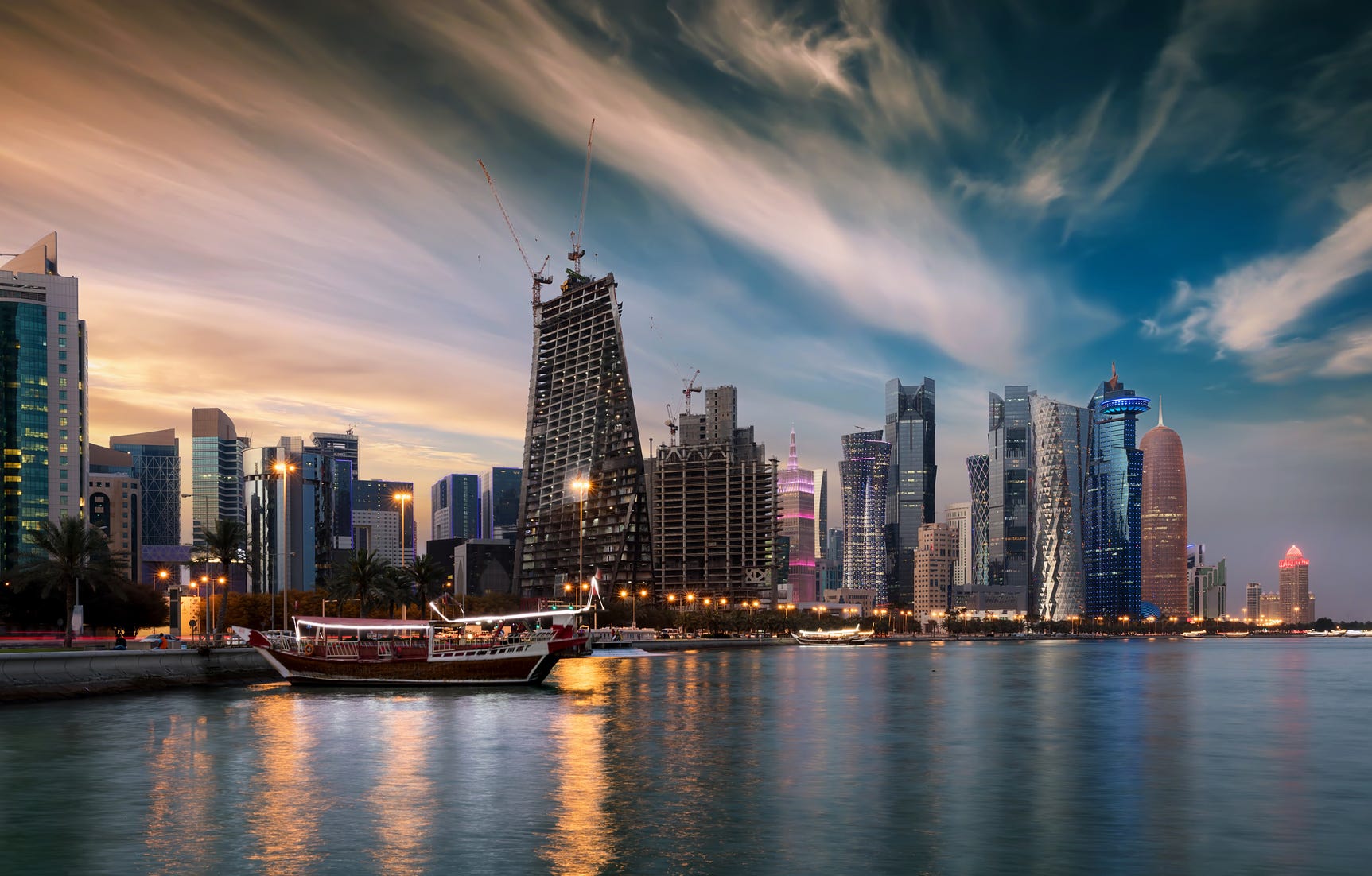
A January morning on the Corniche, the water flat and the towers of West Bay catching the first light. An apartment where the building manager fixes things the day you call. Streets you'd let a grandchild cross alone, a museum of Islamic art worth the trip by itself, and one of the world's great airlines a short drive away, with a flight home when you need one.
That's the wish people bring to Qatar. Not adventure, mostly: order. A place where things work, the days are calm, and family, often an adult child posted to Doha, is close enough for Friday lunch.
Then they tell people at home. As one reader put it, "Everyone we know thinks we're crazy." With Qatar the reaction is louder than for most places, and some of it is fair. Qatar is not a democracy. Its laws on speech, sex and family reach into private life in ways American law does not. In 2026 it was struck by Iranian missiles during a regional war it was working to end. And it does nothing to your American tax bill.
But much of the reaction isn't fair. At street level Qatar is one of the safest countries on earth, and it is easy to arrive in, set up in and live in well. What I'd check first if this were my household is whether the bargain it offers, ease and safety at home in return for living by its rules in a tense neighborhood, is one we'd make with open eyes. This report is how to make that call, and how to do it in the right order if the answer is yes.
The life
Where Americans actually land. Most land in Doha, and within Doha in a handful of places. The Pearl, an island of marinas, cafés and apartment towers, for people who want to walk to dinner. West Bay for high-rise city living near the Corniche. Lusail, the newer city to the north, for space and new buildings. A few choose Al Khor, up the coast, for quiet.
A good week. Picture a couple in their mid-sixties in an apartment on The Pearl, twenty minutes from their daughter's family. He walks the waterfront before the heat builds. She has a standing coffee with a group she met through church, from Manila, Beirut and Ohio. Tuesday is grandchildren after school; Saturday is often the National Museum or the beach. Friday starts slowly, with brunch, and ends at Souq Waqif, the old market, with mint tea and too many spices. In winter they camp a night in the dunes; in summer they don't stay at all.
What it costs. Housing is the big line, and it's priced by the neighborhood: waterfront living costs what it would in a large American city, while plenty else is reasonable. The surprises are private rather than daily: health insurance priced by age, permit renewals, and a US tax adviser you'll still need every April.
Health care. Doha's hospitals are modern, and many of the doctors trained abroad. The public system, Hamad Medical Corporation and the primary care centers, is open to residents with a health card, which costs QR 100 and buys care and prescriptions at subsidized rates. A 2021 law makes basic private insurance compulsory for foreigners too, phased in starting with visitors. Most American households carry an international policy as well, for choice, speed and cover when they travel. Price that policy for your sixties, and again for your seventies.
People. This is one of the easiest countries in the world to find other foreigners, because foreigners are most of the population: migrant workers alone are more than nine in ten residents. Churches, sports clubs, book groups and alumni networks exist for almost every nationality, and Qatar's own hospitality is generous. Belonging in the deeper sense is harder. Qatar welcomes residents and almost never turns them into citizens. The households happiest here treat it as a long, comfortable chapter, not a final home, and keep a second base, often the American one, warm.
The verdict
Where Qatar stands: a wealthy, orderly monarchy where daily life is safe and easy for a foreign resident who lives within its rules, and where in 2026 a regional war reached the country's skies and its gas fields. Current as of November 13, 2026.
What works. Qatar ranks 31st of 163 countries for peacefulness, where the United States ranks 134th. A property purchase of about $200,000 brings a residence permit without an employer. Qatar taxes none of a private household's income, gains or estate. The riyal has been fixed to the dollar since 2001.
What doesn't. First, the zero is Qatar's, not the IRS's: your US tax bill doesn't move. Second, the rules on private life. Criticizing the emir is a crime, sex outside marriage is a crime, same-sex relations are a crime, and the online "false news" law is broad. Third, the war. When the United States and Israel struck Iran on February 28, 2026, Iran fired missiles at Qatar. Air defenses stopped most of them, but debris injured 16 people, and strikes in March badly damaged the gas complex at Ras Laffan. The last barrage came over Doha on July 17; none has hit Qatar since. The economy is shrinking this year as gas exports sit stalled behind the Strait of Hormuz.
None of that is a slide. Qatar has been an absolute monarchy throughout, and its rules on speech and private life are where they have been for years. The war is external pressure on a state that has held, run by a government that has spent the year as one of the two main mediators between Washington and Tehran.
Who it fits. Households with family working in Qatar. Households with real income or assets who want an easy, international winter base with superb flights. Retirees who value safety and service and are comfortable living discreetly.
Who it fits poorly. LGBTQ+ couples, for whom the law is a real danger. Unmarried couples, since sex outside marriage is also a crime. Anyone whose work or temperament involves public criticism of governments. Households who want a path to a second citizenship. And anyone who can't live with the chance of air-raid alerts while the Gulf stays unsettled.
The bottom line: Qatar is a comfortable, safe second base for the household that fits it and knows exactly what it's trading, and the wrong one for the household that doesn't.