


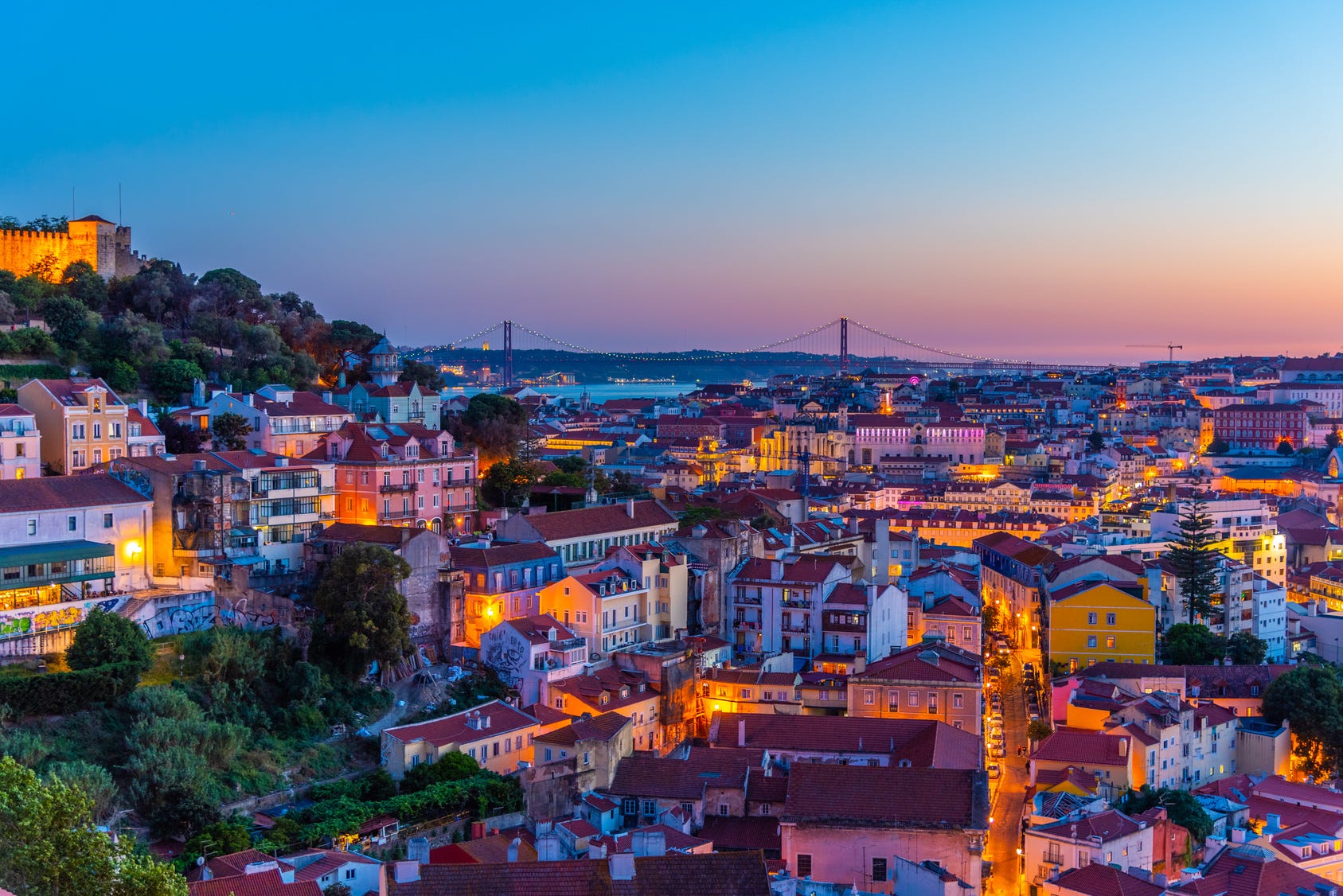
An easier life, by the ocean
A flat in a tiled building with a view of the river. Coffee and a pastry at the same counter every morning, where the man behind it has your order going before you sit down. A walk along the water in January, in a sweater rather than a parka. A neighbor who will explain, at length and with great patience, which fish is good today. A train to the beach, and a flight home that doesn't eat a whole day.
That's the wish people bring to Portugal: an easier life, by the ocean, in a country that is calm and kind to newcomers. For people who have already made a move like this, the verdict can be simple. As one reader put it: "Leaving the US 3 months ago was among the best decisions I've ever made." That's the life this report is built to protect.
I've read Portugal the way I'd read any country for my own family: by asking what I'd check first if this were my household.
Two things have moved since most guides to Portugal were written. The tax break that made Portugal famous among American retirees closed to newcomers at the start of 2024. And since May 19, 2026, citizenship takes ten years of residence instead of five. Neither closes the door; both change the arithmetic, and the order in which you do things.
The life
Where Americans actually land. Americans settle in four kinds of place. Lisbon and the coast west of it, Cascais and Estoril especially, for a capital city, international schools, the best private hospitals and the easiest flights home. Porto and the north for a real city at a gentler price, greener country and a rainier winter. The Algarve, on the south coast, for sun, golf and English spoken nearly everywhere. And the interior and the Silver Coast, between Lisbon and Porto, for space, a garden and a slower village life, if you don't mind a car.
A good week. Picture a couple in their sixties in a rented flat in a hillside town near the coast. He studies Portuguese twice a week and is proud of it, because the woman at the bakery now corrects him only every other sentence. She walks the seafront most mornings and has joined a choir that rehearses in a church older than the United States. Tuesday is market day, and most evenings end with a glass of something local on a terrace while the light goes gold over the water. In the spring their daughter flies over with the grandkids, a single overnight flight, and the kids spend a week deciding that custard tarts count as breakfast.
What it costs. Portugal is still one of the more affordable places in Western Europe to live well: eating out and getting around cost noticeably less than in most American cities. Housing is the exception. Prices in Lisbon, Porto and the Algarve have climbed hard, and many Portuguese blame foreign buyers. Budget for housing near American city prices in the places Americans like most, plus the costs that surprise people: an accountant, filings in two countries, and private health insurance on top of the public system.
Health care. Portugal's national health service, the SNS, is universal and tax-funded; legal residents can use it once they have their residence card and a user number from their local health center. In my reading the public system is strong on serious care and slower on the routine. Most American households keep a private policy for speed, choice and English-speaking doctors, and the private hospital groups in Lisbon, Porto and the Algarve are excellent.
People. Portuguese people are courteous, warm and, at first, a little reserved, and they notice effort with the language more than almost anything else. English goes a long way in Lisbon, Cascais and the Algarve and much less far in the interior. The happiest households learned some Portuguese early, joined something, and made Portuguese friends as well as foreign ones.
The verdict
Where Portugal stands: one of the freest and safest countries in the world, and a welcoming one, where the terms for newcomers have tightened without closing. Current as of November 6, 2026.
What works. Nearly everything a household relies on day to day. Portugal scores 96 of 100 with Freedom House, well above the United States, and ranks 7th of 163 countries for peacefulness, where the US ranks 134th. The passive-income visa is open and modest in what it asks. Politics is stable and centrist at the top: in February 2026 voters chose a moderate president over the populist right's candidate by roughly two to one.
What doesn't. Three things, all manageable. First, the immigration agency, AIMA, is slow: renewals and investor files can still take many months. Second, the tax arithmetic is ordinary now. The old regime that taxed foreign pensions at 10% closed to newcomers at the end of 2023; a new retiree pays Portugal's normal rates, which reach 48%. Third, citizenship is further away. Since May 19, 2026, an American needs ten years of legal residence, not five.
The trend worth naming is mild and starts from the top: Portugal's freedom, peace and press scores are among Europe's best. V-Dem, which still ranks Portugal 26th in the world, now lists it among countries close to slipping, and immigration politics have tightened: a watch item, not a danger to a resident.
Portugal fits the retired or semi-retired household with steady passive income that wants a calm, affordable-by-European-standards life near the ocean, values safety and an easy flight home, and plans to stay long enough to put down roots. It also fits a household with a qualifying professional role, and part-year households willing to count their days.
Portugal fits poorly the retiree who chose it mainly for the old 10% pension tax, anyone who wants a European passport in five years, and anyone who needs fast, predictable government service.
The bottom line: Portugal is a sound and welcoming second base, as long as you plan it on today's tax rules and today's ten-year clock.