


A mild coast, a long table, a pension that goes further
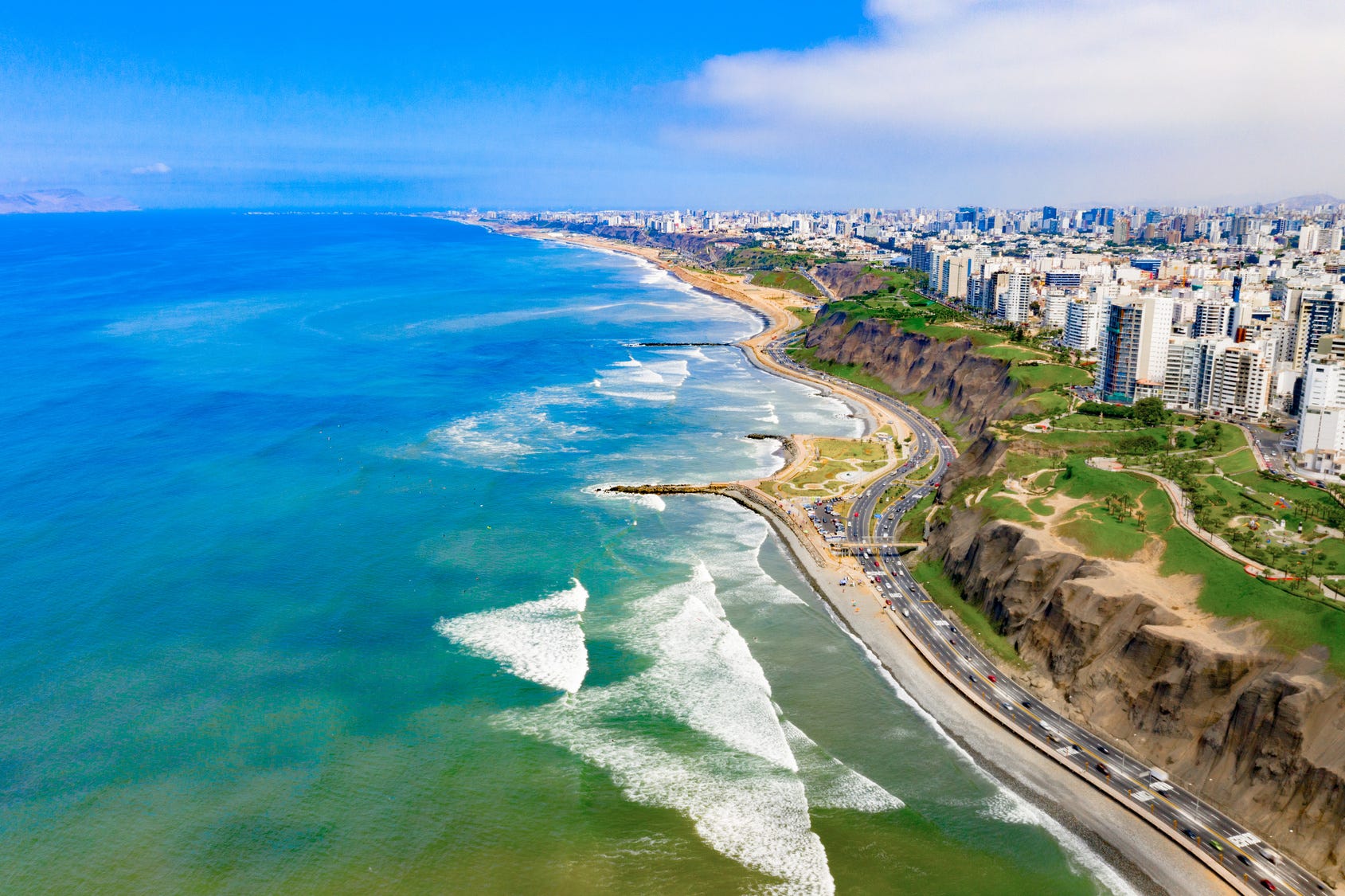
An apartment above the cliffs in Miraflores, where the Pacific is gray in the morning and blue by lunch. A ceviche place three blocks away where the owner knows how you like it. A doctor who trained in the States and answers your messages. A long weekend in the Sacred Valley when the city feels too big, and a nonstop flight that still gets you to the States the same day for a grandchild's birthday.
That's the wish people bring to Peru. Not a beach bar and not a hardship post: a real city with world-class food, a climate that never asks you to own a snow shovel, and a monthly budget that buys a better week than the same money buys at home. Under it sits a quieter wish, the one a reader put in a single line: "Leaving the US 3 months ago was among the best decisions I've ever made." People want to feel that way, and they want the paperwork to hold up after the feeling fades.
Peru can give you that. Its retiree residence is one of the simplest in the hemisphere, and its economy has stayed one of the steadiest in Latin America through years of political noise. Peru has had nine presidents in ten years, crime weighs on the cities, and there is no tax treaty with the United States. None of that rules it out. It means the order matters: which neighborhood, which status, and how two countries that don't coordinate will tax your income. If this were my household, those are the three things I'd settle first.
The life
Where Americans actually land. Most settle in Lima, and within Lima in a handful of coastal districts: Miraflores and Barranco above the ocean, San Isidro a little inland with its parks and embassies. That's where the good clinics and the restaurants are, and where daily life is easiest without fluent Spanish. A second group heads for the mountains: Cusco and the Sacred Valley for the beauty and the slower pace, Arequipa for a handsome colonial city and a lower cost of living. The mountain towns are lovely and they sit at real altitude, which is worth a candid conversation with your doctor before you sign a lease.
A good week. Picture a couple in their sixties in a rented apartment in Miraflores. He walks the malecón, the clifftop path above the ocean, most mornings. She has Spanish class twice a week and a Thursday lunch with two women she met there. Saturdays mean a market and a long lunch; once a season they fly to Cusco and come home grateful for sea-level air. When the grandkids visit, the food does the work.
What it costs. Peru is one of the better-value places in the Americas for a household with US income: a comfortable life in Miraflores costs noticeably less than in most American cities, and less again in Arequipa or the Sacred Valley. The surprises are the fixed costs: private health insurance, a building with good security and a cross-border tax adviser.
Health care. Lima's best private clinics are good and far cheaper than American ones; outside Lima and Arequipa, serious care often means a trip to the capital. Peru's public social insurance, EsSalud, is built around employment, and its voluntary plan has stopped taking new individual members until December 31, 2027. So a retired American buys private cover, Peruvian, international or both.
People. Peruvians are warm, family-centered and curious about why you chose their country; "the food" is always a good answer. Spanish matters a great deal, and outside the coastal districts English runs thin. The households that do best take lessons early, join something (a walking group, a cooking class, a parish) and build Peruvian friendships, not only American ones. You can stay American and still belong.
The verdict
Where Peru stands: a partly free democracy with turbulent politics and a steady economy, where a retired American household can live well if it chooses its neighborhood and its tax plan with care. Current as of November 13, 2026.
What works. The way in, first: the retiree residence asks for US$1,000 a month in pension or other permanent income and grants a status with no expiry date. Peru has no wealth, inheritance or gift tax. The economy has held steady through a decade of political crisis. The food, the coastal climate and the cost of a good life are why people stay. And on peacefulness Peru ranks 107th of 163 countries, ahead of the United States at 134th and of Colombia, Ecuador and Mexico.
What doesn't. Politics, first: nine presidents in ten years, most of whom resigned or were removed by Congress. Keiko Fujimori took office on July 28, 2026, after winning the June runoff by 49,641 votes; her party and its main ally hold half the new Senate. Extortion and armed robbery are serious problems in the cities, including the districts Americans favor. With no US tax treaty, some income is taxed twice. Public health insurance is closed to new voluntary members until 2028, and Lima inflation hit 5.3% in October, a near-term squeeze.
On freedoms, the baseline matters. Freedom House scores Peru 66 of 100, Partly Free: close to Colombia (69) and Ecuador (64), below Chile (95) and the United States (81). Press freedom fell from 130th to 144th of 180 this year. That's a fragile democracy under strain, not a country closing in on its residents. Same-sex couples have no legal recognition; abortion is legal only to protect the woman's life or health.
Peru fits the retiree, couple or single, living on a US pension and Social Security who wants a big, cosmopolitan city at lower cost, will learn Spanish, and will budget for private health cover and a secure building. It also fits a part-year household that stays under Peru's tax line.
Peru fits poorly households living mainly on a large US portfolio, which Peru taxes at up to 30%; same-sex couples, whose marriage Peru won't recognize; anyone who must work locally on arrival; and anyone for whom political calm is non-negotiable.
The bottom line: Peru is a good second base for a modest-income retiree household that lives on the coast, plans its taxes before it arrives, and treats security as a daily habit rather than a worry.