


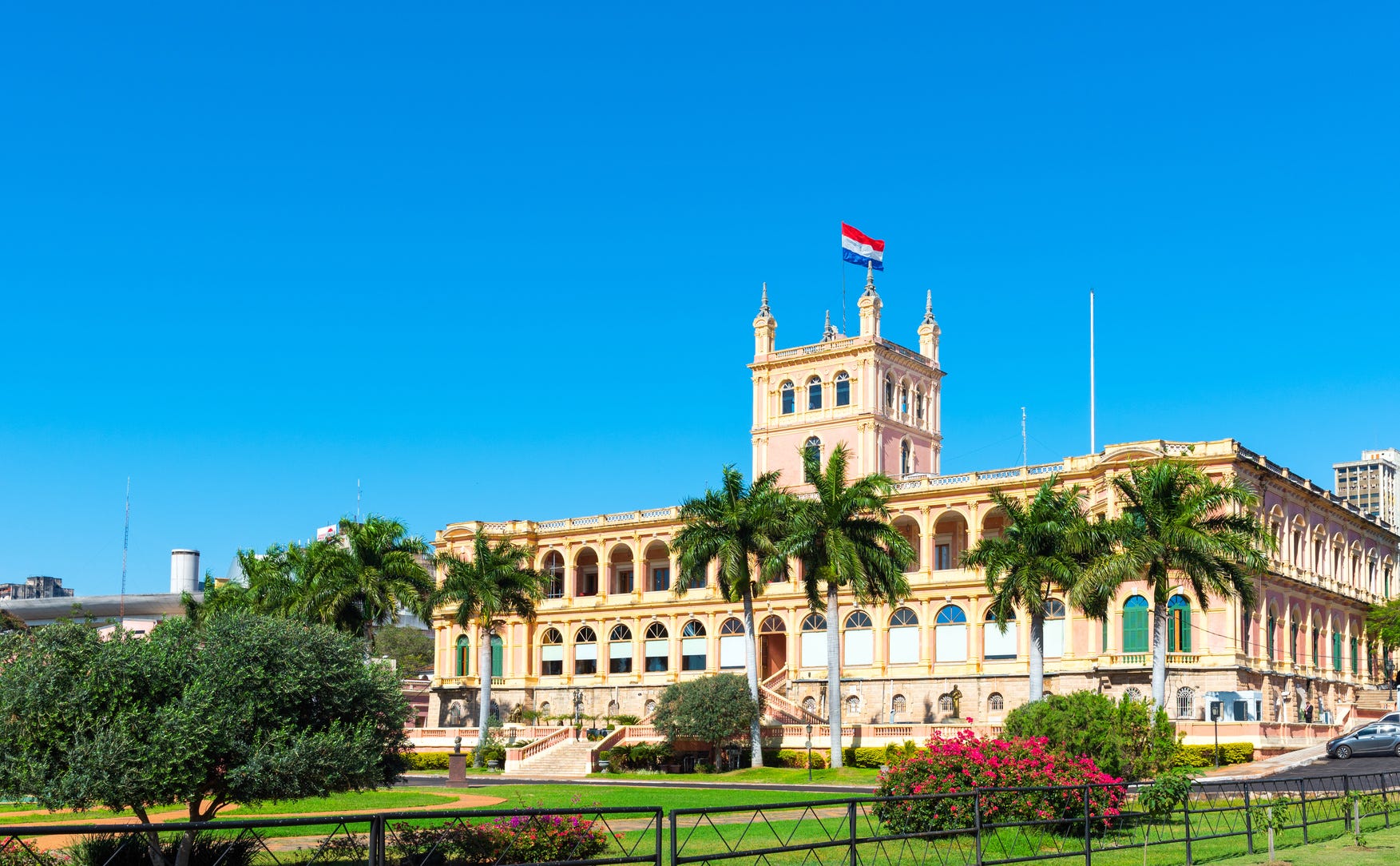
A simple life, on easy terms
A house with a shady yard in a leafy part of Asunción, or a lake town outside the city where the evenings cool off. Tereré passed around in the afternoon heat. A residence card that doesn't ask you to live there all year, a tax bill that ignores what you earn back home, and a monthly budget that leaves room for plenty of flights to see the grandkids.
That's the wish people bring to Paraguay. Not a grand reinvention: a quieter, cheaper base, on terms that ask very little of you.
It's also a wish that can carry a worry with it. As one reader put it, "What if we're lonely and broke in the wrong country, missing the grandkids, and then it all goes back to normal here?" Paraguay deserves a straight answer to that question, because the easy terms are real and so is the distance.
What I'd check first if this were my household comes down to three things. Does the door stay open if we only use it part of the year? Is our money safe while we're away? And can we come home without losing anything we built? Paraguay answers the first very well. It answers the second with a lesson it taught its own people this month, when a large bank failed and the president fell with it. And it answers the third better than most places, because it asks so little of you to keep your place.
None of that is a reason to stay away. It's a reason to do this in the right order.
The life
Where Americans actually land. Most land in Asunción, and within it in the green, walkable neighborhoods around Villa Morra and Carmelitas, close to the private hospitals, the good restaurants and the airport. A second group heads for San Bernardino on Lake Ypacaraí, the holiday town where Asunción goes for summer. A third goes south to Encarnación on the Paraná River, with its river beaches and the old Jesuit mission ruins nearby.
A good week. Picture a couple in their late sixties in a rented house with a pool in Asunción. Tuesday and Thursday she has a Spanish class; he has found a Saturday tennis group that is half Paraguayan, half Brazilian and German, and argues about football in three languages. They eat out more than they did at home because it costs so little. In July, the mild winter month, the grandkids come down for two weeks and spend most of them in the lake house of a friend. Nobody is in a hurry about anything, including the people they're paying.
What it costs. Paraguay is one of the least expensive places in South America to live comfortably, and for a household with a US pension it can feel generous. The costs that surprise people aren't daily ones. They are a private health plan, a good local lawyer for the residence file, and sworn translations of every document.
Health care. The public hospitals run by the Ministry of Public Health are open to residents and largely free, but they are stretched and short of specialists. The social security institute, IPS, covers people in formal employment and their families; a retiree or a remote worker can't simply buy into its health cover. So most foreign residents use private hospitals and clinics in Asunción, on a prepaid plan or paying as they go, and that care is good for everyday needs. For complex surgery or cancer care, many households plan on Brazil, Argentina or a flight home.
People. Paraguay has two official languages, Spanish and Guaraní, and you will hear Guaraní everywhere from the market to Congress. You can live in Spanish; you'll belong faster if you learn a few words of the other. Paraguayans are warm, unhurried and easy to know. The newcomer community is large and growing: Brazilians make up most new residents, and Germans and Argentines are well represented. The households that settle well join something early, a church, a club, a language exchange, and stop expecting anything official to happen quickly. Integration here isn't about becoming Paraguayan. It's about becoming a regular.
The verdict
Where Paraguay stands: an open, inexpensive, low-tax country with weak institutions, which this month absorbed a bank failure and a change of president by the constitutional route. Current as of November 13, 2026.
What works. The terms for a foreign household. Residence is straightforward, a new investor route grants permanent residence directly, and permanent residence asks for little more than a visit every few years. Paraguay taxes only income earned inside Paraguay, so your pension, Social Security and US investments are not its business. On peacefulness it ranks 64th of 163 countries, where the United States ranks 134th.
What doesn't. The institutions under all of that, and they were weak before this month. Paraguay scores 63 of 100 with Freedom House, rated Partly Free, against 81 for the United States, and it sits 98th of 143 on rule of law. Corruption is the everyday problem. On November 2, 2026, the central bank put Ueno Bank, a digital lender with about 2.9 million customers, into resolution after finding a deep hole in its capital. On November 6 the Senate removed President Santiago Peña, a former shareholder in the bank's parent group who had already offered to resign, and Vice President Pedro Alliana now governs until August 2028. The guarantee fund began paying within days, and the guaraní fell about 8% in five days. The failure exposed the regulator: prosecutors say the central bank knew of the hole for months, and several of its former directors now face charges. Since then the response has followed the law: a shock to a weak system, not a slide into disorder.
Paraguay fits the retiree living on US income who wants a low-cost, low-fuss base and a residence card that keeps the door open. It fits the household with $200,000 to place that wants permanent residence without living there full time, and the part-year household that wants a winter base without a tax problem.
Paraguay fits poorly anyone who needs top-tier specialist care close at hand, anyone who would keep serious money in local banks, and households for whom LGBTQ+ legal equality or access to reproductive care is non-negotiable.
The bottom line: Paraguay is a sound, inexpensive second base for the household it fits, as long as your money stays mostly at home and your paperwork is done in the right order.