


A warm place to land, in dollars
A small house in the hills above Boquete, where the mornings are cool and the coffee grows down the road. Or an apartment in Panama City with a view of the ships waiting their turn at the canal. A doctor who speaks English. Prices in dollars, so nobody does arithmetic at the market. A short flight home when the grandkids have a recital, and a short flight for them when they come to you.
That's the wish people bring to Panama: an easy retirement, close to home, without having to become someone else to get it. Warm weather, a familiar currency, and a country that has courted American retirees for decades and still means it.
What I'd check first if this were my household: which door I'd walk through, and where Panama is thinner than the brochures suggest.
Panama is one of the most heavily marketed retirement countries in the hemisphere, and the brochures don't help when friends at home push back. As one reader put it, "Everyone we know thinks we're crazy." Here's the good news. Panama's main door is one of the simplest anywhere, and the mistakes it punishes are few, specific and avoidable. Get them right and the house in the hills isn't a brochure. It's just where you live, and where the family comes at Christmas.
The life
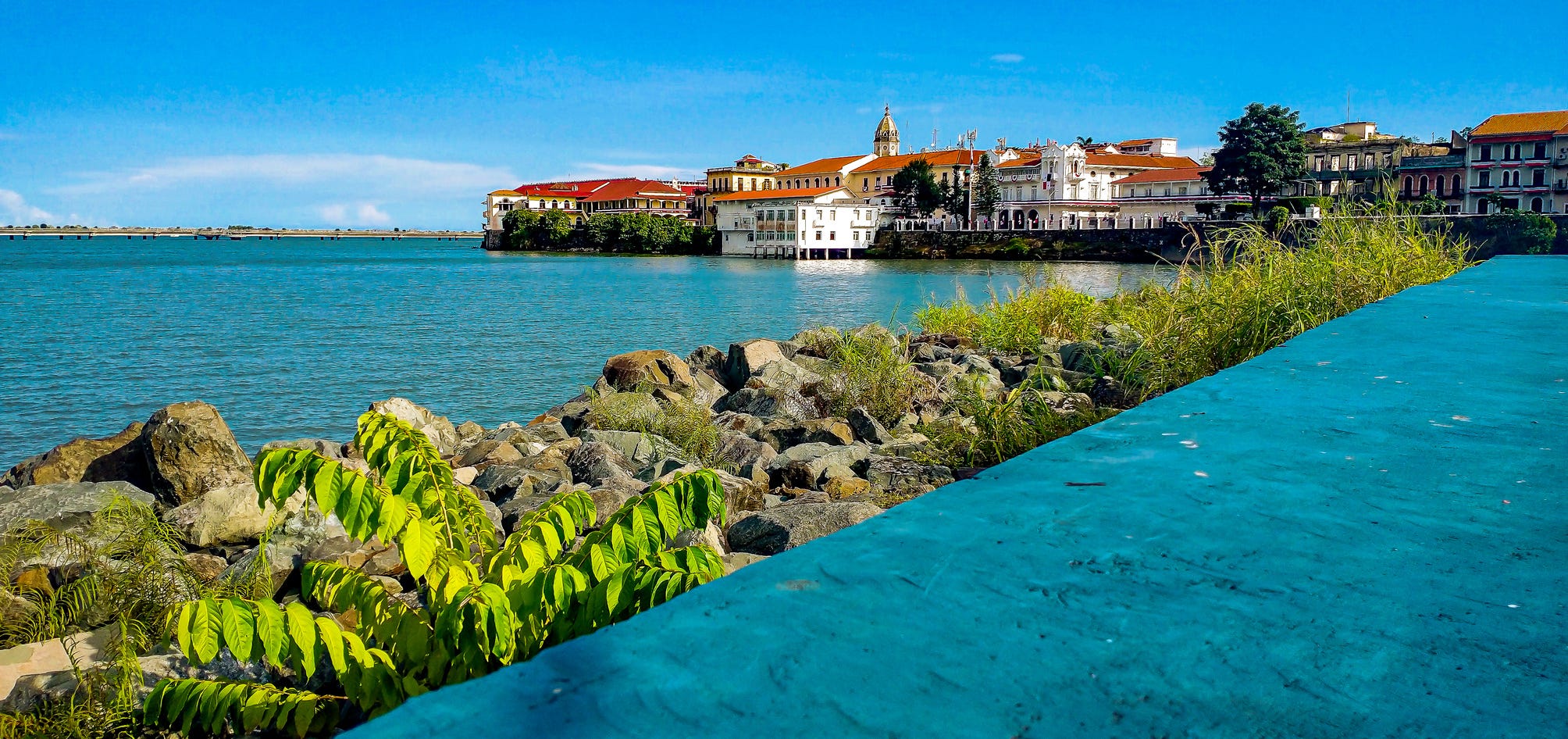
Where Americans actually land. Three kinds of place. Panama City, for people who want a real city: towers on the bay, the old quarter of Casco Viejo, the best hospitals in the country and a hub airport with direct flights to much of the United States. The highlands of Chiriquí, Boquete above all, for people who want cool air, gardens and a large, settled community of North American retirees. And the Pacific beach towns west of the capital, around Coronado, for people who want the ocean within reach of the city's doctors and stores.
A good week. Picture a couple in their late sixties in a rented house outside Boquete. He walks the dogs before breakfast, because by noon the mist comes down off the mountain. She volunteers two mornings a week at a local library project and is getting her Spanish past the restaurant stage. Wednesday is lunch in town with the same four couples, which started as a coincidence and is now an institution. At Christmas the kids fly into Panama City and everyone meets at the beach. The movie tickets are half price, because the law says so.
What it costs. Panama is not as cheap as it was, and Panama City in particular runs closer to a mid-sized American city than to a bargain. What changes the arithmetic for a retiree is a national law, not the exchange rate. Panama's retiree discounts apply to foreign residents as well as Panamanians: a quarter off your own meal at restaurants, half off cinema, theater and concerts, and 20% off doctor visits and medicines, among others. And because Panama uses the US dollar, your budget doesn't move when the currency markets do.
Health care. The good care is private, and it's concentrated in the capital. The public social security system is built around people who pay in through a paycheck, so a retiree's real plan is private insurance. Outside the capital, care thins out: Boquete residents mostly use private hospitals in David, and anything highly specialized usually means a trip to Panama City. Premiums rise steeply with age, and pre-existing conditions can be excluded or priced up, so this is the first thing to settle, not the last.
People. Panama is easy to arrive in and takes longer to belong to. In Boquete and Coronado, English will get you through a week; it won't get you through a friendship with your neighbors. The happiest households learned Spanish, found something to do beyond being retired (a garden club, a clinic, a rescue shelter, the church choir) and made Panamanian friends, not only American ones. You can stay American and still belong here.
The verdict
Where Panama stands: a free, steady country with one of the simplest retiree routes anywhere, where the courts and the banks are the parts to plan around. Current as of November 6, 2026.
What works. The front door. The pensionado route asks for a lifetime pension of $1,000 a month and gives permanent residence on approval, with no renewals. Panama doesn't tax the pension, Social Security or investment income you bring in from abroad. It uses the dollar, and the retiree discounts are national law. Freedom House scores it 82 of 100, Free, a point above the United States.
What doesn't. The rule of law is the weak spot. Freedom House says corruption and impunity are serious challenges, reaching the justice system and the highest levels of government. Private health care is good in the capital and thinner elsewhere. There is no deposit insurance, and banks ask Americans for more paperwork than most. And 2025 was rough: protests against a pension reform met a heavy police response and a state of emergency that restricted assembly, while closer security ties with the United States stirred anger at home. The government held, and none of it touched a residence permit.
On civil liberties, Panama is a free Latin American democracy with real gaps in identity law. Same-sex couples have no marriage or civil union, and abortion law sits in the second most restrictive of five international categories: permitted to save the pregnant person's life, with narrow exceptions. Press freedom fell from 53rd to 65th in the world this year, which still leaves it about level with the United States at 64th. That is a country trailing Costa Rica and Uruguay, not one heading anywhere frightening.
Panama fits the retired household living on Social Security and a pension that wants warmth, dollars, a short flight home and a simple permanent residence, and is content with private health care in or near the capital. It also fits the household with capital that wants permanence fast through a new property.
Panama fits poorly anyone whose health needs specialist care far from Panama City, anyone who can't tolerate lawyers doing everything, and households for whom LGBTQ+ legal recognition or access to reproductive care is non-negotiable.
The bottom line: Panama is an easy, sound second base for the retiree it fits, as long as the health insurance and the lawyer are chosen before the house.