


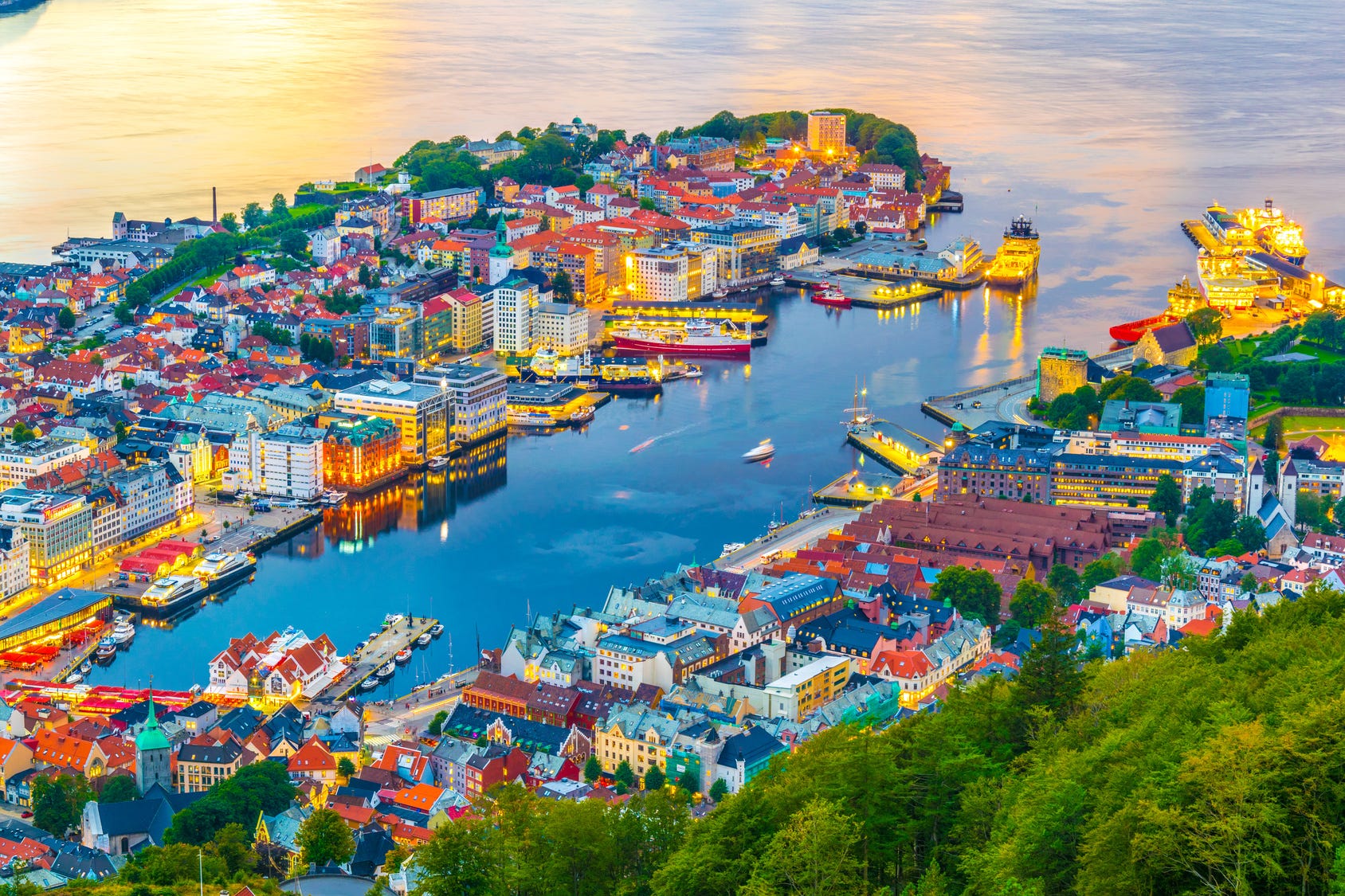
A country that simply works
A wooden house above a fjord, or a flat in a city where you can walk everywhere and the tram comes when the screen says it will. Summer evenings that never quite get dark. A trail that starts at the end of your street. A doctor's office that answers, a train that runs, a government that does roughly what it says. Neighbors who leave you alone until the day you need them, and then show up.
That's the wish people bring to Norway. Not adventure, exactly. Calm. The feeling of living somewhere that works, where the institutions are boring in the best sense and the outdoors is the main event.
The fear sits right next to it, and one reader put it better than I can: "What if we're lonely and broke in the wrong country, missing the grandkids, and then it all goes back to normal here?" Norway sharpens every part of that question. It's expensive. The winters are long and dark. And it has no permit for people living on their own means, which makes it one of Europe's harder countries to reach.
So this report is honest about the door before it's romantic about the house. If this were my household, the first thing I'd check is not the town or the view. It's whether we have a way in at all, and if not, what a part-year life could look like that keeps us on the right side of Norway's tax rules.
For some of you the answer is a full move; for more, long summers. Both start with the same few decisions, in the right order.
The life
Where households land. Most households look first at one of four cities. Oslo is the capital, with the best flight connections home, the most English in daily life and the highest prices. Bergen is rainier and more intimate, with mountains you can hike from the city center. Stavanger is the oil city on the southwest coast, prosperous and outward-looking. Trondheim is the university town, quieter and cheaper. Beyond the cities lie fjord villages, islands and the north, beautiful and remote, where a car is not optional.
A good week. Picture a couple in their late fifties in a flat in Bergen. Say one of them runs a small design practice registered in Norway and the other volunteers two mornings a week and is grinding through Norwegian classes. Most days start with a walk up the hill behind the house. Thursday is the language café at the library. Weekends mean a ferry somewhere new. In June the grandkids come for three weeks and can't believe it's still light at eleven at night. In January the light is short and the couple has learned what Norwegians already know: candles, wool, a ski trail lit after dark, and friends over for dinner.
What it costs. Norway is expensive by any American measure, everywhere. What you get in return is a daily life where very little goes wrong: clean streets, safe nights, public services that work. The costs that surprise people aren't the daily ones. They're the wealth tax on worldwide assets and the price of getting the timing wrong.
Health care. Once you're in the national population register, you're assigned a regular GP, your fastlege, who is your door to everything else. You pay a small co-payment for visits and prescriptions until you reach a low annual ceiling; after that, public care is free for the rest of the year. If you move to stay at least 12 months, you're in the national insurance scheme from the day you arrive, but the GP waits on your identity number, so carry private cover until it comes. Summer visitors aren't in the scheme and need travel cover.
People. Norwegians are reserved with strangers and loyal once you're in. Friendships form through doing things together: a choir, a hiking club, a dugnad, the neighborhood work day where everyone turns up to rake leaves or paint the fence. Most Norwegians will switch to English to be kind, which is why you'll need to push through and learn Norwegian anyway. The households that thrive say yes to every invitation in the first year, buy proper winter clothes, and stop expecting American small talk. You can stay American and still belong; you just have to show up.
The verdict
Where Norway stands: one of the freest, best-run countries in the world, and, with no permit for people living on their own means, a hard one to move to without a job, a business or a Norwegian in the family. Current as of November 13, 2026.
What works. Nearly everything a resident relies on. Norway ranks first in the world for press freedom, scores 99 of 100 with Freedom House, and sits second in the world on rule of law. Health care is universal and cheap at the point of use, and Norway ranks first in the world on climate readiness. LGBTQ+ couples can marry, and abortion is available on request. For a household that gets in, the ground under it is about as solid as ground gets.
What doesn't. Three things, and none of them is about safety or freedom.
The door, first. Norway has no residence permit for people living on their own means: no retirement visa, no passive-income visa, no investor visa. The routes that exist run through family, work or a business, and they tightened at the edges in 2025.
The tax, second. Norway taxes a resident's worldwide net wealth every year, its day-count test catches part-year households who think they're visitors, and leaving can carry a tax of its own.
The cost, third. Daily life is expensive, and the winters ask something of you. That's a level, not a trend.
Who it fits. A household where one partner is Norwegian, or married to one. A working-age professional with a job offer or a skilled trade who can run a business from Norway. A household with grown children in Norway that wants long summers near them. A household that prizes quiet and good institutions over sunshine and low prices.
Who it doesn't. A retired couple living on Social Security, pensions and a portfolio, with no family tie: there is no door, however much you bring. A household whose wealth is mostly in highly appreciated stock: Norway taxes the whole gain on any sale while you live there, pre-arrival years included, plus wealth tax every year. And anyone who needs light to be happy from November to February.
The bottom line: Norway is an outstanding second base for a household with a way in, and a beautiful place for long summers for one without, if the day count is managed from the first visit.