


A calm, well-run life, close to everything
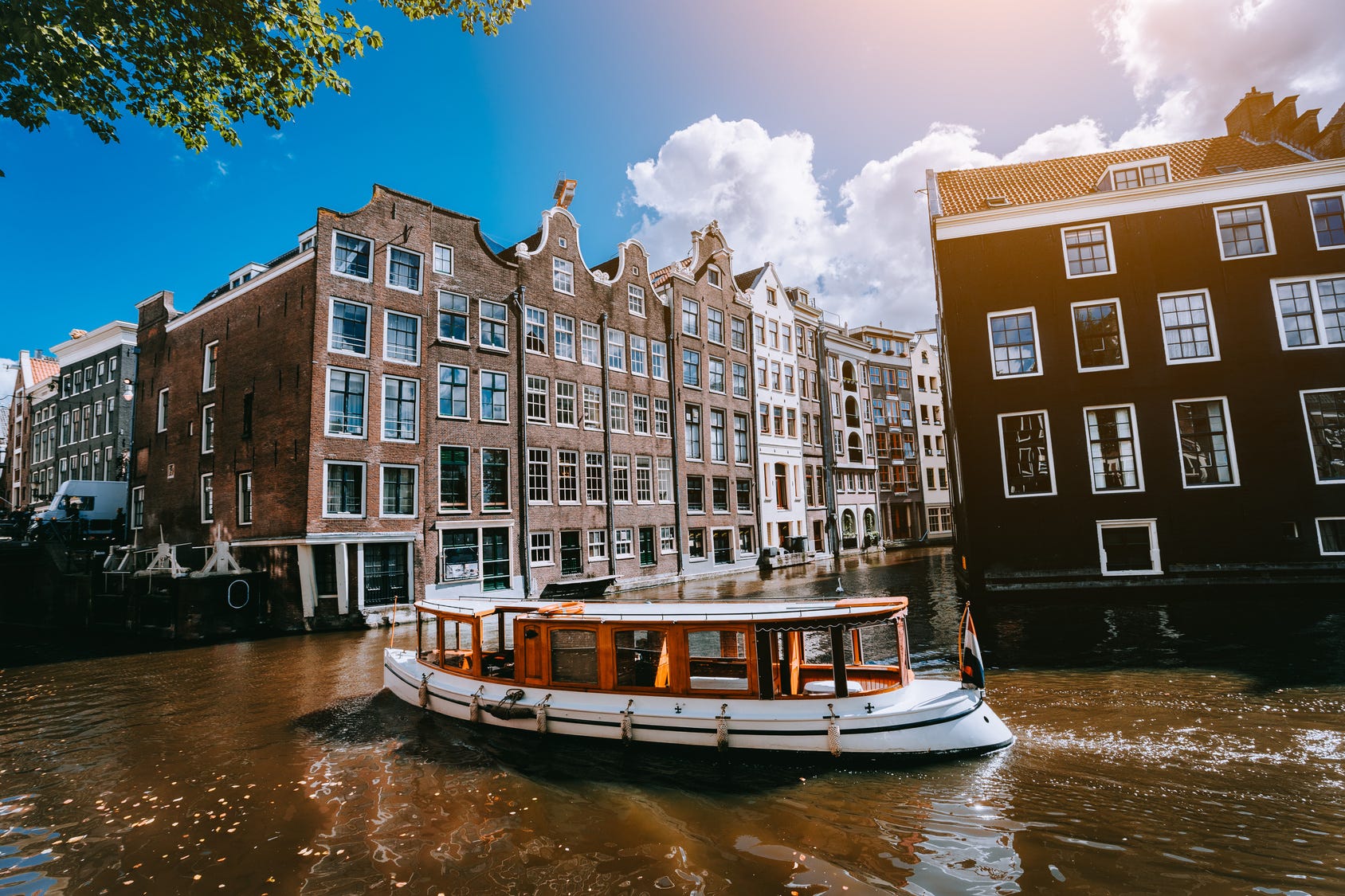
A narrow brick house on a quiet street, a bicycle by the door and a bakery at the corner. Trains that leave when the board says they will. A city where you can walk to dinner, ride to the market and be in Paris, Brussels or the North Sea coast before lunch. Neighbors who switch to English the moment you hesitate.
That's the wish people bring to the Netherlands. Not adventure for its own sake: an orderly, civil, well-run life in the middle of Europe, with good health care, safe streets and the grandkids a direct flight away.
The Netherlands also holds something almost no other country in Europe offers an American: a door written into a treaty. Under a 1956 agreement, a US citizen who sets up a small business here, with a few thousand euros of capital, can get a residence permit without the points tests and job offers other nationalities face. Record numbers of Americans have noticed.
That door is real, and it is also where most American plans for the Netherlands go wrong. It is a door for people who will actually run a business, not a retirement visa with a business attached. And once you're in, the Dutch tax system looks less at what you earn than at what you own.
As one reader put it, "We have money, but not enough to survive a massive mistake." The Netherlands punishes a few mistakes, and every one can be avoided by making the decisions in the right order. If this were my household, the first thing I'd check is whether the business we'd build to get in is one we'd genuinely want to run. Everything else in this report follows from that answer.
The life
Where Americans actually land. Most settle in the tight band of cities in the west. Amsterdam for people who want the full city and are willing to pay for it. The Hague for a quieter, greener city by the sea, with an international community built around its courts and embassies. Utrecht for a university town with a medieval center and the best train connections in the country. And Haarlem, Leiden and Delft for people who want a small historic city with Amsterdam or The Hague twenty minutes away. A few go further out, for more house and more sky.
A good week. Picture a couple in their late fifties in a rented row house in Haarlem. He runs the small consulting business that got them their permits, three mornings a week, from a desk by the window. She has taken over the garden and a Dutch class on Tuesdays. Most days start on bicycles: the market, the bakery, coffee with a neighbor who has decided they're worth knowing. On Friday they take the train somewhere: the beach at Zandvoort, a museum in Amsterdam, a weekend in Antwerp. Their daughter flies in from Chicago for Christmas and spends most of it on a borrowed bike. Nobody owns a car, and nobody misses one.
What it costs. Day to day, the Netherlands costs about what a comparable American city does, and in many places less, because so much of life runs on a bicycle and a train pass. The real cost is housing. A chronic shortage keeps rents in the western cities high.
Health care. The Dutch system is universal and runs through private insurers under tight public rules. Every resident must buy a basic policy, within four months of becoming insured here, and long-term care insurance applies automatically. Most people add a supplementary policy for dental care. In 2026 a basic policy averages about €157 a month, with a €385 yearly deductible. Family doctors are the front door to everything: register with one early, because good practices fill up.
People. The Dutch are direct, which Americans first read as rude and later come to love: you always know where you stand. English is everywhere, which makes the first year easy and the fifth year lonely if you never learned Dutch. The households that are happiest joined something early (a rowing club, a choir, a volunteer shift, a neighborhood association) and treated learning the language as a courtesy rather than a chore. Belonging here comes through showing up, on time, again and again. It's slow at first, then it's real.
The verdict
Where the Netherlands stands: one of the freest, safest and best-run countries in the world, with an unusually open door for Americans and a tax system that falls harder on what you own than on what you earn. Current as of November 13, 2026.
What works. The Netherlands scores 97 of 100 with Freedom House, sixteen points above the United States. It ranks 2nd in the world for press freedom and 8th for clean government, and it is safe: 17th for peacefulness, where the US ranks 134th. Americans hold a route other nationalities don't: the treaty permit for the self-employed, which needs a registered business and €4,500 of capital, not a points score or a job offer. Treaty permits are almost always granted.
What doesn't. Three things, none of them about safety or freedom. First, housing: the shortage is chronic and the western cities are expensive. Second, the tax on assets. Savings and investments above a modest allowance are taxed each year on an assumed return, and its replacement is still being argued over. Third, a thin government: a three-party minority cabinet, sworn in on February 23, 2026, holding 66 of 150 seats. That means slow decisions, not instability in anything a resident relies on.
The immigration service is also checking treaty permit holders more closely: paperwork for a real business, a risk for a formality.
Who it fits. The American household with a skill it can sell (consulting, design, writing, coaching, a trade, a small import business) and the appetite to keep doing it part-time for at least five years. It's especially strong for couples in their fifties and early sixties who want a city life without a car.
Who it fits poorly. The retiree who wants to stop working entirely and has no business to run: the Netherlands has no retirement visa. Households with large investment portfolios and modest income, who will feel the asset tax most. And anyone who wants a European passport as the end goal, because Dutch citizenship generally means giving up American citizenship.
The bottom line: the Netherlands is an excellent second base for the household that will genuinely run a small business, and a poor fit for one that won't.