


The Adriatic, without the rush
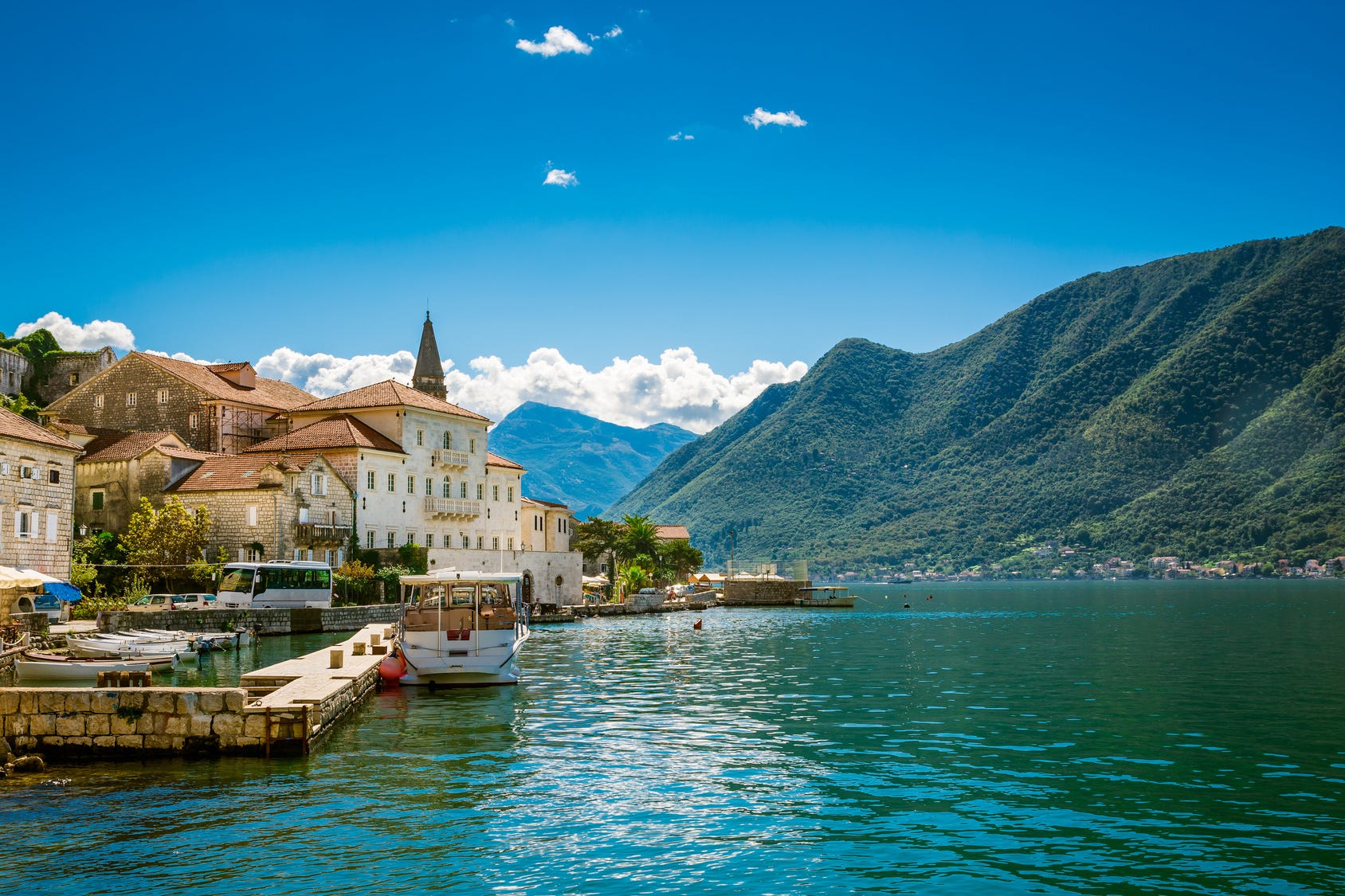
A stone house above the Bay of Kotor, where the water is so still in the morning that the mountains sit in it upside down. Coffee on a terrace in an old town before the day-trippers arrive. A drive of an hour or two that takes you from the sea up into lakes, pine forest and cold mountain air. Prices that let a good life feel generous instead of careful. And euros in your wallet, so nobody does exchange-rate math at dinner.
That's the wish people bring to Montenegro. Not a resort, and not a hideaway from the world: a small Mediterranean country that still moves at its own pace, close enough to the rest of Europe that the people you love can fly in for a long weekend.
Montenegro also looks simple, which draws planners. A short list of ways to stay, low and fairly flat taxes, a currency you already understand. Much of that is true. Some of it is simpler on paper than on the ground, and the rules for foreign property owners changed in January 2026.
As one reader put it, "We've read everything and still don't know what to actually do." With Montenegro that's understandable, because much of what's online is out of date or written by someone with an apartment to sell.
What I'd check first, if this were my household, isn't the view. It's what the residence permit actually lets you do, what Montenegro taxes once you live there, and how the plan holds up with no US tax treaty underneath it. This report answers all three, in the order you'll need them.
The life
Where Americans actually land. Most foreigners who stay end up on a short stretch of coast. The Bay of Kotor is the heart of it: Kotor, Perast, Tivat with its marina, and Herceg Novi at the mouth of the bay. Budva and the beaches south of it suit people who want restaurants and a crowd in summer and don't mind quiet in February; Bar and Ulcinj, further south, are cheaper and less polished. A smaller group chooses the capital, Podgorica, for hospitals and a year-round city, or the mountain towns of the north for lakes, skiing and cooler summers.
A good week. Picture a couple in their sixties in an apartment above the bay. He swims most mornings from May to October; she has taken over a corner of the terrace with tomatoes and herbs. Tuesday is the green market. Thursday they drive up into the mountains for lunch at a roadside place that serves lamb cooked under an iron lid, and they are back by dark. In August the grandkids come, and the hardest decision of the week is which beach. In January the town goes quiet, the cafés fill with locals, and they finally have time to work on the language.
What it costs. Day to day, Montenegro is reasonable by Western European standards: groceries, cafés, help in the house and local transport cost noticeably less than in the US. The coast in high season is another matter, with summer rents priced for visitors, so most households buy or sign a year-round lease in spring. The costs that surprise people are private health insurance for years, the trips home, and specialist care that is easier to get across a border.
Health care. This is the part to plan most carefully. Montenegro's public health insurance covers foreigners on temporary permits mainly when they work there, so a retiree or property owner carries private insurance, which the permit requires anyway. Foreigners become eligible for the public system once they hold permanent residence. Public hospitals handle routine care; many residents use private clinics for speed and English, and travel to larger cities in the region for complex treatment. For anyone with a serious chronic condition, this alone can decide whether Montenegro is a full-time base or a part-year one.
People. Montenegro has about 620,000 people, and it feels like it: within a month you'll know the same faces at the market, the bank and the café. Montenegrins are hospitable, direct and proud of a long history of independence. English is common on the coast and among younger people, less so inland and in government offices. The households that settle in best learn some of the language, keep the same café and barber, and accept that things happen when they happen.
The verdict
Where Montenegro stands: a small, peaceful country that is becoming more democratic and is close to joining the European Union, with institutions still younger than Western Europe's and rules for foreigners that tightened this year. Current as of November 13, 2026.
What works. Safety first: Montenegro ranks 30th of 163 countries for peacefulness, where the United States ranks 134th. The press is freer than Americans tend to assume, 41st of 180, ahead of the US at 64th. It has provisionally closed 23 of its 33 EU negotiating chapters, and the European Commission targets membership in 2028. It already uses the euro, income tax tops out at 15% plus a municipal surtax, Social Security payments arrive normally, and buying a home still opens a door to residence.
What doesn't. There is no US income tax treaty, Social Security agreement or estate tax treaty with Montenegro. Public health insurance generally doesn't cover a retiree on a temporary permit, and the property permit doesn't lead to permanent residence. Corruption and slow courts are real: Montenegro scores 46 of 100 on corruption, 65th in the world. And citizenship means giving up your US passport.
In proportion. Freedom House scores Montenegro 68 of 100, Partly Free, close to Albania and North Macedonia and below the United States at 81. But the V-Dem Institute classes Montenegro as democratizing and the US as autocratizing. A young democracy moving the right way; little in it touches a law-abiding foreign resident's daily life.
Who it fits. A healthy couple or solo buyer with passive income who wants the Adriatic, can afford a home of €150,000 or more and a good private health policy, and is content with residence rather than a second passport. Also the part-year household that wants a sea-and-mountains base in the euro area and keeps its tax life mainly in the US.
Who it doesn't. Anyone who needs public health care from the first year or top specialist care close by. Anyone whose plan depends on a second citizenship. Households with complex US retirement income that only works with treaty protection. And anyone who finds small-country bureaucracy more stressful than charming.
The bottom line: Montenegro is a good second base for a healthy household with passive income, a budget for private health care and a home, and the patience to do the paperwork in the right order.