


A European life, at a gentler pace
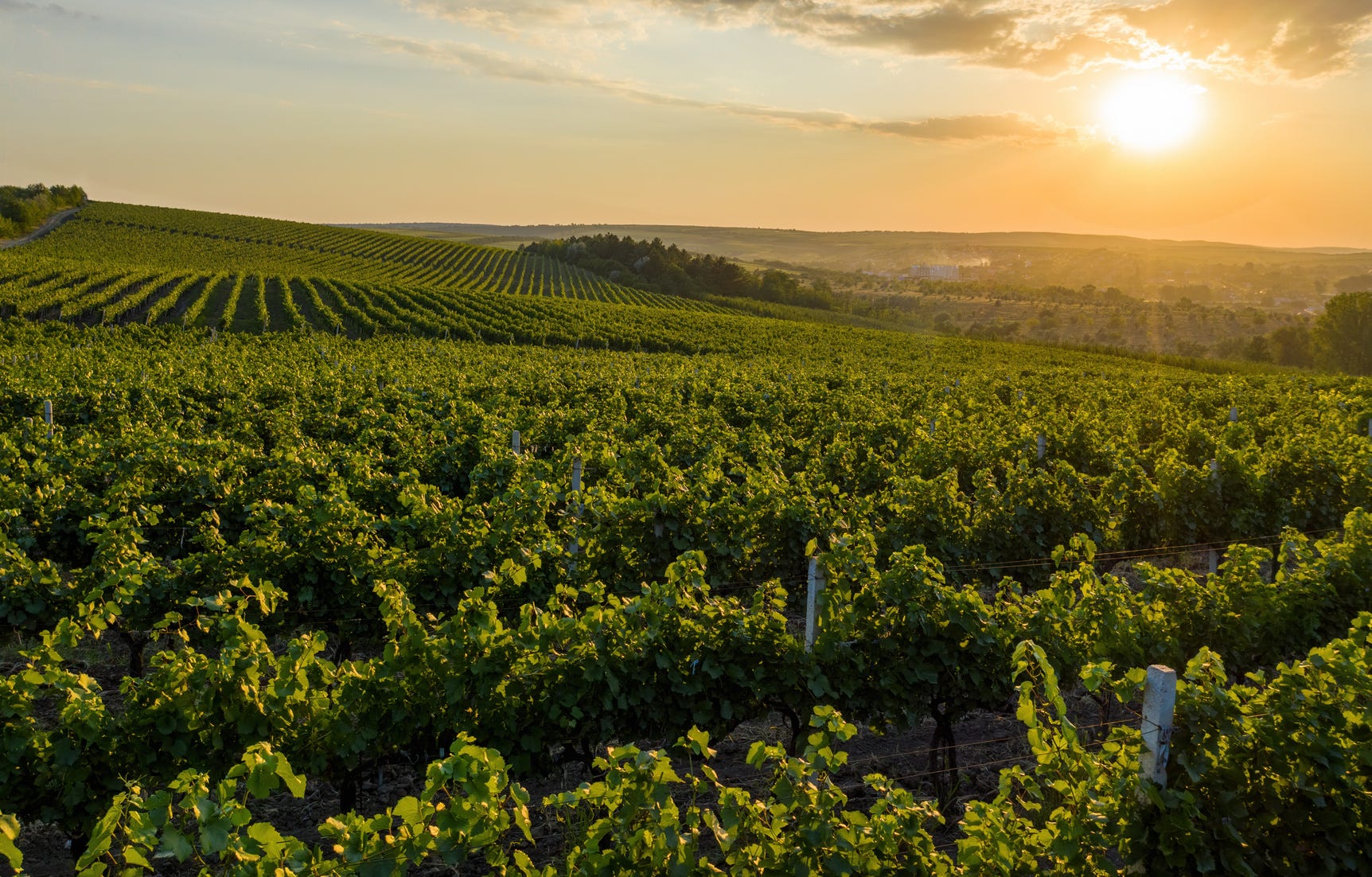
A walkable capital of wide, tree-lined boulevards and big parks, where a long lunch on a terrace costs less than a sandwich in an American airport. Weekends in wine country, in cellars cut deep into the limestone, with a winemaker pouring the bottle he's proudest of. A market where the tomatoes came in from a village that morning. A country small enough to get to know, with the rest of Europe a short flight away.
That's the wish people bring to Moldova: a European life that doesn't cost a European fortune, in a place that still moves at its own speed.
There's a second wish under the first. Moldova is negotiating to join the European Union, and some households want to be early to a country on its way up: settled, known and rooted before everyone else notices.
As one reader put it, "Leaving the US 3 months ago was among the best decisions I've ever made." A first season like that is what Moldova can give: the slower days, the warmth of people who are curious about you, and money that stretches further than you expected.
It's also a country that asks you to plan with clear eyes. It sits between Romania and Ukraine, with a breakaway region along its eastern edge, and it has no residence permit written for a retiree. None of that makes it the wrong choice. It makes the order matter.
If this were my household, the first thing I'd check is the residence route itself: which legal basis a non-working American would use, and whether it renews cleanly year after year. The second is health care, because the public system is basic and the care you'll want is private. Both are solvable. Neither is something to sort out after you've signed a lease.
The life
Where Americans actually land. Most foreign residents live in Chișinău, the capital. It has the private clinics, the international schools, the airport and almost all of the English you'll hear. A smaller group chooses wine country, south and center, for a house with land and a garden, and drives into the city for anything official. Bălți, in the north, is the second city. The one place not to settle is the breakaway region east of the Dniester River, which the government in Chișinău doesn't control. At the end of 2025, about 21,500 foreigners held a right to live in Moldova, so in most places you'll be a novelty, and usually a welcome one.
A good week. Picture a couple in their sixties in a rented apartment near one of Chișinău's big parks. Tuesday is a Romanian lesson, Saturday the central market, Sunday a long lunch at a winery out of town. Once a month they fly somewhere else in Europe for a long weekend, and in July the grandkids come for three weeks and can't believe what dinner costs. Autumn is the season to be here: the harvest comes in, the villages pour new wine, and the parks turn gold. Winter is the test, gray and cold, and a good reason to build a part-year stay around May through October.
What it costs. Moldova is one of the least expensive countries in Europe to live in. Local prices are built around local wages, which are a fraction of American ones. A household living on an American pension and savings lives very well here, and still has room for travel. What costs more than people expect: imported goods, good private medicine, heating in a cold winter, and the bilingual accountant and lawyer you'll want on call.
Health care. Moldova runs a national health insurance system through CNAM, the national insurer. People who aren't insured through a job can buy in with a fixed annual premium, and you'll need a CNAM policy when you apply for permanent residence. The public system is basic. Most foreign residents use private clinics in Chișinău, keep international cover with medical evacuation, and plan on Bucharest or Vienna for anything complex. That's what I'd do.
People. Romanian is the state language. Russian is widely spoken, and English mostly among younger people in the capital. Moldovans are proud of their food and wine and want you to try all of it. The households that settle best learn some Romanian early, join something (a choir, a church, a volunteer group, a wine society) and find the small community of foreigners in Chișinău without living inside it. Expect to be asked about America often, and with real curiosity, usually over a glass of something homemade.
The verdict
Where Moldova stands: a small, peaceful, low-cost democracy on its way into the European Union, with a frozen conflict on its eastern edge and a war next door that it has learned to live beside. Current as of November 13, 2026.
What works. Daily life is calm: Moldova ranks 55th of 163 countries for peacefulness, where the United States ranks 134th. Its press ranks 31st of 180, ahead of the United States at 64th. The road to Europe is moving: accession talks are open, and voters backed that direction on September 28, 2025, returning the pro-European party with just over 50% of the vote. Prices are low, and Americans can stay 90 days in any 180 without a visa.
What doesn't. There's no pensioner permit, so a non-working household uses an investment route or a discretionary one. Institutions are still being built: Freedom House scores Moldova 60 of 100, Partly Free, against 81 for the United States.
V-Dem still rates Moldova an electoral democracy, but lists it among countries sliding away from democracy, in a gray zone near the category below. Read that in proportion: the 2025 election ran under heavy Russian interference, and the government's response, including barring parties accused of illegal Russian financing, also weighs on the scores. Power still changes hands the ordinary way: a prime minister resigned in July 2026, and parliament elected a successor within three weeks.
The State Department rates Moldova Level 2, exercise increased caution, because of unexploded ordnance in some fields and forests, and Transnistria Level 3, reconsider travel. The breakaway region has been frozen behind a ceasefire since 1992. Stray drones from the war in Ukraine have crashed in Moldovan fields this year, and the war has squeezed energy supplies. That's pressure on bills and nerves, not on a resident's permit, pension or property title.
Moldova fits a part-year household that wants a European base at a low cost, a remote worker who qualifies for the digital nomad permit, and a household ready to put modest capital into a real Moldovan business. It fits poorly anyone who needs advanced medical care close at hand, a same-sex couple who want legal recognition, and anyone who wants a simple pensioner visa.
The bottom line: Moldova is a workable, inexpensive second base for the right household, as long as the residence route is chosen first and the health plan is private.