


A warm life that's easy to run
A high-floor apartment in George Town with the sea out one window and the green hills out the other. Breakfast at a coffee shop where the uncle at the stall already knows how you take your coffee. A walk before the heat, a swim after it, and an afternoon with nothing on the calendar. A hospital ten minutes away where the specialist sees you this week and explains everything in English. Friends from three or four cultures around your table, and a short, cheap flight to Bangkok or Bali when you want a long weekend somewhere new.
That's the wish people bring to Malaysia. Not an exotic adventure: an easy, warm life, with good hospitals, English on the street and a cost of living well below what it is at home, for part of the year or most of it.
If this were my household, the first thing I'd check is not the beach or the condo. It's what the door actually asks of you, because Malaysia's main residence program is unusual. It doesn't ask for proof of a pension. It asks for money in a Malaysian bank and a home bought in your own name, and it gives you a long pass in return. That trade suits some households perfectly and others not at all.
As one reader put it, "We've read everything and still don't know what to actually do." Malaysia's main program has been rewritten three times since 2021. There's a separate version tied to one development in Johor, another run by the state of Sarawak, and a remote-worker pass whose rules change on December 1, 2026. Plenty of what's online describes a program that no longer exists.
This report sorts it out, including the handful of mistakes Malaysia punishes. Every one is easy to avoid once you know where it sits.
The life
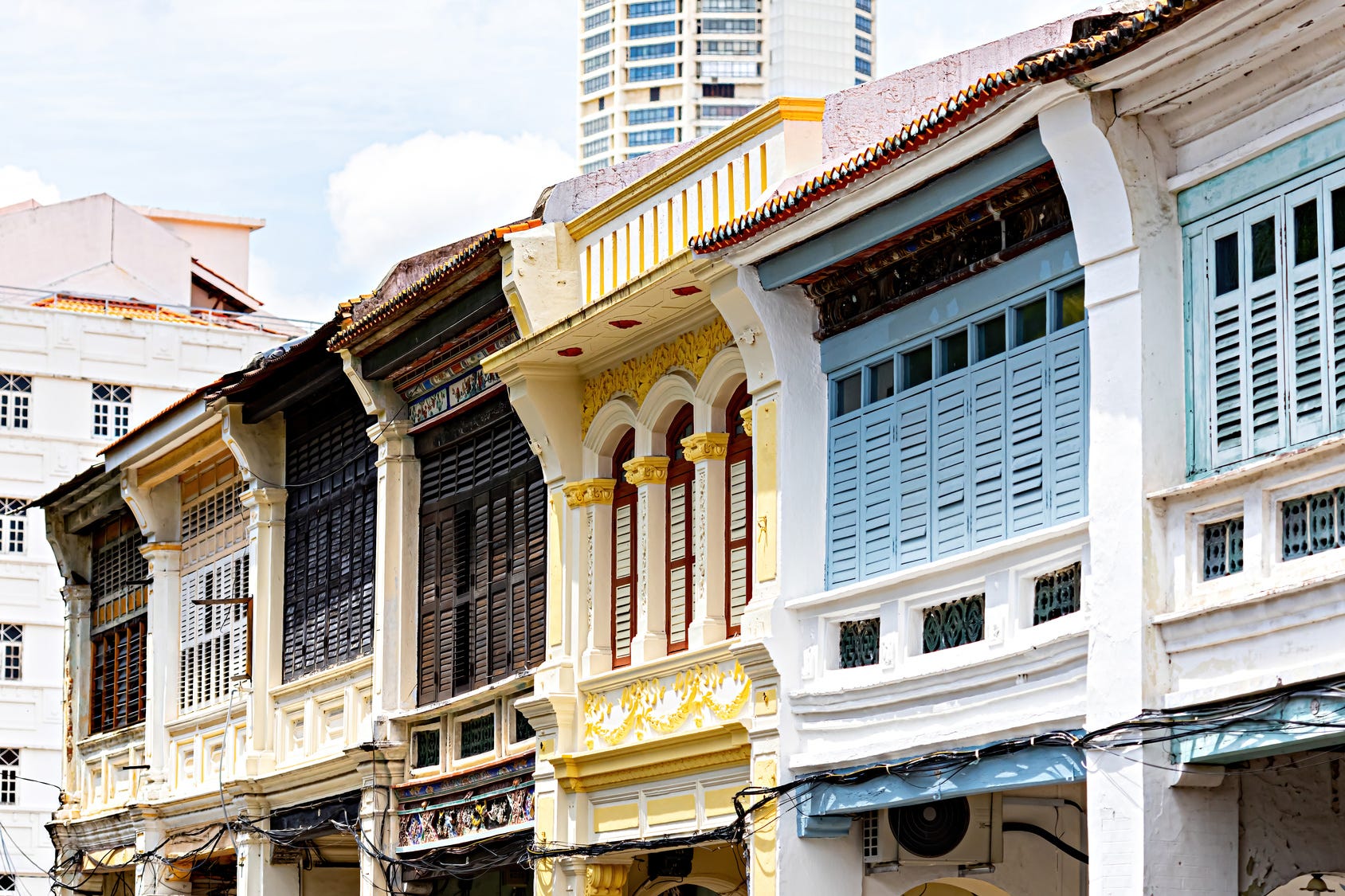
Where Americans actually land. Most settle in one of four places. Penang, for the island: George Town's old shophouses, beaches, good hospitals and an established foreign community. Kuala Lumpur, for a real city: the airport hub, international schools, shopping and the busiest social calendar. Kuching, in Sarawak on Borneo, for something smaller, greener and quieter, with its own residence program. And Johor Bahru, at the southern tip, for households that want Singapore across the causeway without Singapore's prices.
A good week. Picture a couple in their sixties in a Penang condo from November to March. He walks the beach path at seven, before the heat. She takes a Mandarin class on Tuesdays and volunteers at an animal shelter on Thursdays. Lunch is noodles at a hawker stall; dinner is with friends from a hiking group: two Malaysian couples, two Australians, a retired engineer from Ohio. At Christmas the grandkids come and spend a week in the pool. In April they fly home for the American half of the year, and the condo waits.
What it costs. Day to day, Malaysia is easy on a budget: food, taxis, help at home and eating out cost a fraction of American prices. The costs that surprise people are structural. The residence program ties up a deposit in a Malaysian bank and requires you to buy a home, and each state sets its own minimum price for foreign buyers, often above the program's. Since January 1, 2026, foreigners pay stamp duty of 8% on a home purchase.
Health care. Malaysia runs two systems side by side. Public hospitals serve citizens for nominal fees; foreigners can use them, but pay foreigners' rates. Most foreign residents use the private hospitals of Kuala Lumpur and Penang, which are modern, English-speaking and far cheaper than their American equivalents. You generally pay up front and claim from your insurer. Since July 2025, private care for non-citizens has carried a 6% service tax. Budget for an international health policy; the program asks for one at renewal anyway.
People. English is everywhere in Penang and Kuala Lumpur. Malaysia is a multiethnic country, Malay, Chinese, Indian and the many peoples of Sabah and Sarawak. It is also a Muslim-majority country with conservative public norms, and newcomers who dress and behave with that in mind find people warm and generous. At the big festivals, Hari Raya, Chinese New Year and Deepavali, open houses mean neighbors feed you whether or not you know them yet. The households that are happiest join something early (a hiking club, a church, a choir, a volunteer group) and accept one thing plainly: Malaysia welcomes long-stay guests, but its main program doesn't lead to permanent residence or citizenship. You belong here as a well-loved guest, and that's a fine thing to be.
The verdict
Where Malaysia stands: a peaceful, steady, partly free country that works well as a long-stay base for a self-funded household, on a pass that runs for years but doesn't lead to permanence. Current as of November 13, 2026.
What works. Malaysia ranks 12th of 163 countries for peacefulness, where the United States ranks 134th. The government is steady, with the next general election due by February 2028. Prices are calm: inflation was 1.8% in September 2026. Foreign income that a resident brings into the country is exempt from Malaysian tax through December 31, 2036, so an American living on US income pays Malaysia little or nothing. Private hospitals are good, and English is everywhere you're likely to live.
What doesn't. The door asks for capital, not income: a deposit held in a Malaysian bank and a home you can't sell for ten years. The rules have changed often, and screening of applicants and participants has tightened since October 2025. None of it leads to permanent residence or a passport.
On civil liberties, Malaysia is partly free, scoring 53 of 100 with Freedom House, against 81 for the United States. Read that in proportion: it scores above Singapore and Thailand, its closest neighbors, and most of its limits are long-standing; what has tightened lately is speech on race and religion. Same-sex relations are a crime under federal law and there is no recognition of same-sex couples. Abortion is allowed only to protect a woman's health.
Malaysia fits the self-funded couple or single buyer who wants a warm, easy base for three to nine months a year, has liquid assets to place, and is content to stay a long-term guest. It's especially strong as a winter home for retirees, and for households with children working in the region.
Malaysia fits poorly same-sex couples, anyone who wants a second residence that ripens into citizenship, anyone who needs to work locally on the Silver or Gold passes, and households that don't want a large deposit and a ten-year property commitment.
The bottom line: for the household it fits, Malaysia is one of the easiest good lives in Asia, as long as the house, the deposit and the paperwork are done in the right order.