


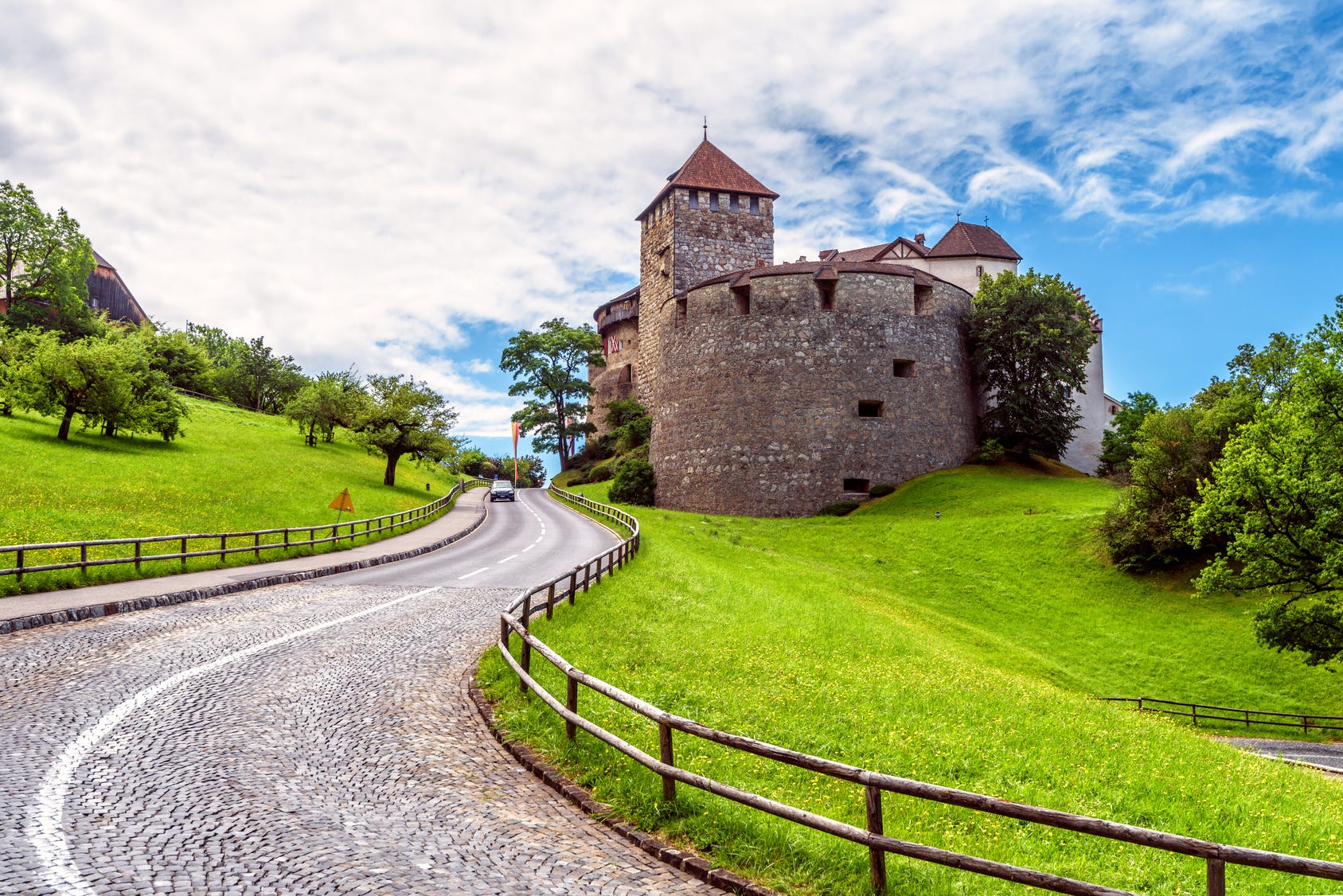
Order, quiet and mountains at the door
A village on a slope above the Rhine, with the Alps close enough to walk into after breakfast. A country small enough that the woman at the bakery knows your order by the second week. A currency that doesn't wobble, a bank that answers the phone, a town hall that answers its mail. Evenings when the loudest thing you hear is a church bell from the next village over.
That's the wish people bring to Liechtenstein. Not glamour: order. A place where the ground doesn't move, where things are done properly, and where the money is as safe as the streets.
The wish is honest, and the place is real. Liechtenstein is one of the safest, freest and best-run small countries in Europe. It is also one of the hardest for an American who doesn't plan to work there to move to.
What I'd check first if this were my household isn't the tax rate or the view. It's the door. Liechtenstein rations new residence permits through a small yearly quota, by design, and the places it raffles off are reserved for citizens of the European Economic Area. For an American living on savings and a pension, there is no visa you can simply qualify for. There are a few narrow ways in, and each depends on who you already are, not on what you're willing to spend.
As one reader put it, "We have money, but not enough to survive a massive mistake." In Liechtenstein, the massive mistake is assuming money opens the door. On its own, it doesn't, and the rules say so in plain words. The rest of this report shows which doors do open, for whom, and what the life looks like once you're through one.
The life
Where people actually live. Liechtenstein is a string of villages along the east bank of the Rhine, with the mountains rising behind them. At the end of 2025 it had 41,237 residents, and more than a third of them were foreign nationals, so you won't be the only newcomer at the table. Vaduz, the capital, and Schaan next door have the shops and the bus connections; the hillside villages trade a little convenience for a view you'll never tire of.
A good week. Picture a couple in their late sixties renting a flat with a balcony in one of the valley villages. Monday is German class, because everything here runs in German. Tuesday they take the trail up through the forest above town and are back for lunch. On Thursday they cross into Switzerland for the day without showing a passport, because the border between the two countries is open. Saturday the village music society gives a concert, and they now know half the people in the hall. Twice a year the grandkids fly into Zurich for a week of being spoiled. Nothing about the week is dramatic, which is the point.
What it costs. Liechtenstein uses the Swiss franc and prices like Switzerland: rent, restaurants and services are expensive by any American standard. Plan to rent, not buy. Buying a home needs approval from the land-transfer authority, and the usual ground for approval is a housing need you already have as a resident, so purchase comes after the move, if at all. Two costs surprise people: health insurance priced per person, and, for anyone under 65 who doesn't work, contributions to the national pension system.
Health care. Every resident must carry the compulsory health insurance, bought from a private insurer under national rules. The average adult premium, including accident cover, is CHF 427 a month in 2026. Once you reach the ordinary retirement age of 65, the state covers the fixed CHF 500 annual deductible and your co-pay drops from 20% to 10% of costs. The country's own hospital is small, so check which Swiss and Austrian hospitals your policy covers before you choose it.
People. Liechtensteiners are reserved at first and loyal once they know you. The village societies, choirs, sports clubs and music groups are where newcomers become neighbors. Learn German early. You'll need it to become a permanent resident, and you'll want it long before then, because the dialect at the next table is how you'll know you belong.
The verdict
Where Liechtenstein stands: a stable, free, very safe country that works beautifully for the households it lets in, and lets in very few non-working Americans. Current as of November 13, 2026.
What works. The ground itself. Freedom House scores Liechtenstein 90 of 100, Free, and it ranks 13th of 180 countries for press freedom. Coalition government has been the norm for two decades. It uses the Swiss franc, shares an open border with Switzerland, and its deposit guarantee stepped in when a small bank failed in 2024. Income tax tops out around 21%, private investors pay no tax on dividends or share gains (they pay a modest wealth tax instead), and there is no inheritance or gift tax.
What doesn't. The door, first and always. There is no residence route a retiree qualifies for on income alone. Citizenship takes 10 to 30 years and means giving up your American passport. There's no US income tax treaty, and the cost of living is Swiss.
On civil liberties, Liechtenstein is a free country with one sharp exception. Same-sex couples have been able to marry since January 1, 2025, but abortion is still a crime outside narrow exceptions. Parliament voted 13 to 12 in September 2026 to allow it in the first 12 weeks; in October the Hereditary Prince declined to sign the law, so it cannot take effect. That's a conservative country on one issue, not a free country turning unfree.
Who it fits. An American married to a Liechtenstein citizen or resident. A household where one spouse holds a passport from the European Economic Area and will try the lottery. A very wealthy household with real cultural, scientific or business standing that wants the spending-based tax. And households happy to live just across the border and enjoy Liechtenstein as a neighbor.
Who it doesn't. The typical retired couple looking for a visa they can qualify for. Anyone who needs to work locally. Anyone whose income is mostly American pensions and Social Security, which can be taxed twice. Anyone for whom access to abortion care is non-negotiable.
The bottom line: a superb second base for the few households that have a door, and a place to love from just over the border for everyone else.