


Belonging, and the grandkids down the road
Friday morning at the market, buying flowers and challah with half the city doing the same. A walk to synagogue, or to the sea, or both. Dinner on Friday night with the grandchildren who moved there first, in a language you're slowly learning to follow. A week where your history isn't something you visit on a tour. It's the street you live on.
That's the wish people bring to Israel. For many American families it isn't about a second home in the usual sense. It's about belonging somewhere that feels like theirs, among people who share their history, and about being near the children and grandchildren who have already built a life there.
If this were my household, the first thing I'd check isn't the neighborhood. It's which door we're eligible to walk through, because in Israel that one question decides almost everything else: whether you can stay, what health care you get, and how much tax you pay for the next ten years.
That's what this report is about. Israel can be a wonderfully good fit for the family eligible to make aliyah, and one of the hardest countries in the world to settle in for the family that isn't. It also asks every household to make peace with a security picture that most Western countries don't. As one reader put it, "We have money, but not enough to survive a massive mistake." Israel has a handful of mistakes it punishes. All of them can be avoided.
The life
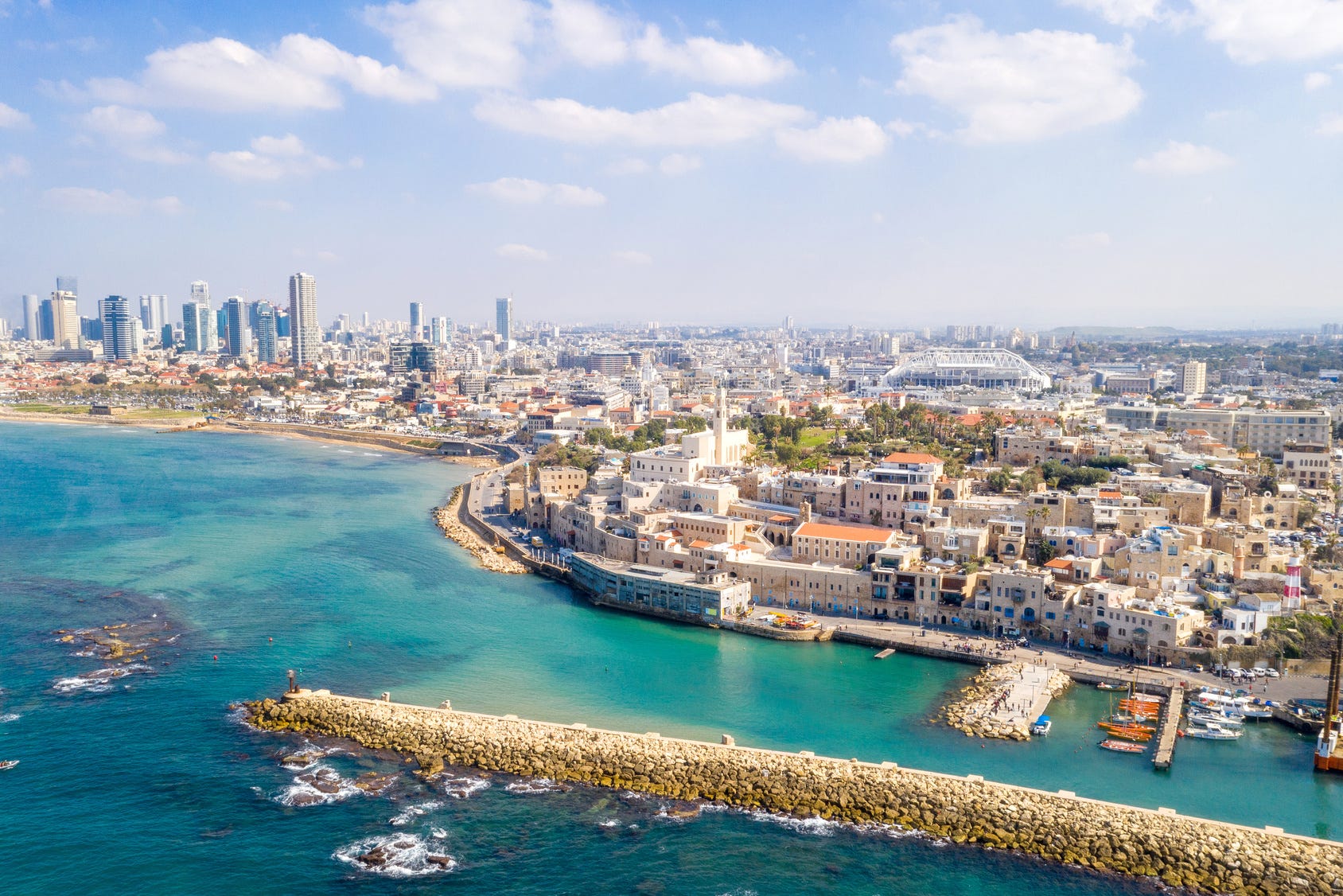
Where Americans actually land. English-speaking immigrants cluster, and the clusters make the first year easier. Jerusalem draws people who want history, observance and a big Anglo community in neighborhoods like Baka and the German Colony. Ra'anana, Modi'in and Beit Shemesh draw families who want suburbs, good schools and neighbors from Teaneck and Toronto. Tel Aviv draws people who want a Mediterranean city that never quite sleeps. And the coast north of Tel Aviv, from Netanya to Zichron Ya'akov, draws retirees who want the sea and a slower pace.
A good week. Picture a couple in their late sixties in a rented apartment in Modi'in, ten minutes from their daughter's family. He goes to Hebrew class three mornings a week and is proud of reaching the point where he can argue with the man at the hardware store. She volunteers twice a week and has more friends after a year than she had in their last decade in the suburbs at home. On Friday they shop for Shabbat. On Saturday nobody drives anywhere much, and the grandkids wander over after lunch. Once a month they take the train up to Haifa or down to the desert. Nobody asks them where they're from twice.
What it costs. Israel is expensive, Tel Aviv above all. Housing is the big number: rents and prices in the center of the country run well above what most Americans expect for the space they get. What's cheaper is health care, which is universal and inexpensive. Most households find the budget works once they rent outside the most expensive neighborhoods.
Health care. Israel's system is universal and good. Every resident belongs to one of four health funds, which all have to offer the same basic basket of care. A new immigrant who isn't working gets up to six months of basic coverage free. After that, every adult pays a monthly health contribution through the national insurance system, working or not. The free months and the immediate cover belong to new immigrants, not to everyone who lives there.
Safety in daily life. Most days in Israel are ordinary days: work, errands, cafés full at ten at night. The risk arrives in episodes, as rocket and missile fire during wars and as terrorist attacks. Residents learn the routine quickly: the alert app on your phone, the siren, the reinforced safe room many homes and apartment buildings have, and how long you have to reach it where you live. The households that do well take it seriously once, set it up properly, and then get on with their lives.
People. Israelis are direct, curious and quick to invite you to dinner. The bureaucracy is in Hebrew and the patience it needs is real. The households that are happiest take Hebrew seriously, join something (a synagogue, a choir, a volunteer group, a hiking club) and lean on the English-speaking networks for the paperwork. Belonging comes faster here than almost anywhere, if you let it.
The verdict
Where Israel stands: a free democracy at war since October 2023, with its courts contested and a new government still forming. For the household eligible to make aliyah, one of the most generous second bases anywhere; for the household that isn't, almost no door. Current as of November 13, 2026.
What works. For the eligible family, nearly everything: citizenship on the day you arrive, without giving up your US passport; universal health care; ten years free of Israeli tax on foreign income; no inheritance or wealth tax. Israel is free, scoring 73 of 100 with Freedom House against 81 for the United States.
What doesn't. Security. Israel ranks 159th of 163 countries for peacefulness, where the United States ranks 134th. The State Department's advisory, reissued October 23, 2026, tells Americans to "Reconsider Travel" (Level 3). Those numbers reflect three years of war: the Hamas attack of October 7, 2023 and the Gaza war, in ceasefire since October 10, 2025; and the war with Iran from February 28, 2026, since quieted. A country under real military pressure, not one where daily life has stopped.
The courts are the other open question. The baseline holds: V-Dem records no slide toward autocracy. In January 2024 the Supreme Court struck down the main law passed in the government's 2023 court overhaul. A 2025 law giving elected officials more say over appointing judges awaits a High Court ruling after a June 2026 hearing. There's no civil marriage inside Israel, though marriages made abroad, same-sex ones included, are registered.
Who it fits. A family eligible under the Law of Return with children or grandchildren already there. A household that wants a Jewish life and will learn Hebrew; one that will earn Israeli income and was already planning to move by February 10, 2027, when a new exemption on those earnings closes to newcomers.
Who it fits poorly. Anyone outside the Law of Return (Jews, converts to Judaism, the children and grandchildren of Jews, and their spouses) and not married to an Israeli: there's no retirement or golden visa. Households that can't accept periodic rocket fire. Couples who want to marry where they live.
The bottom line: for the eligible family, a rewarding second base, if the paperwork is done in order and the security plan is made before the lease.