


A second home in your own language
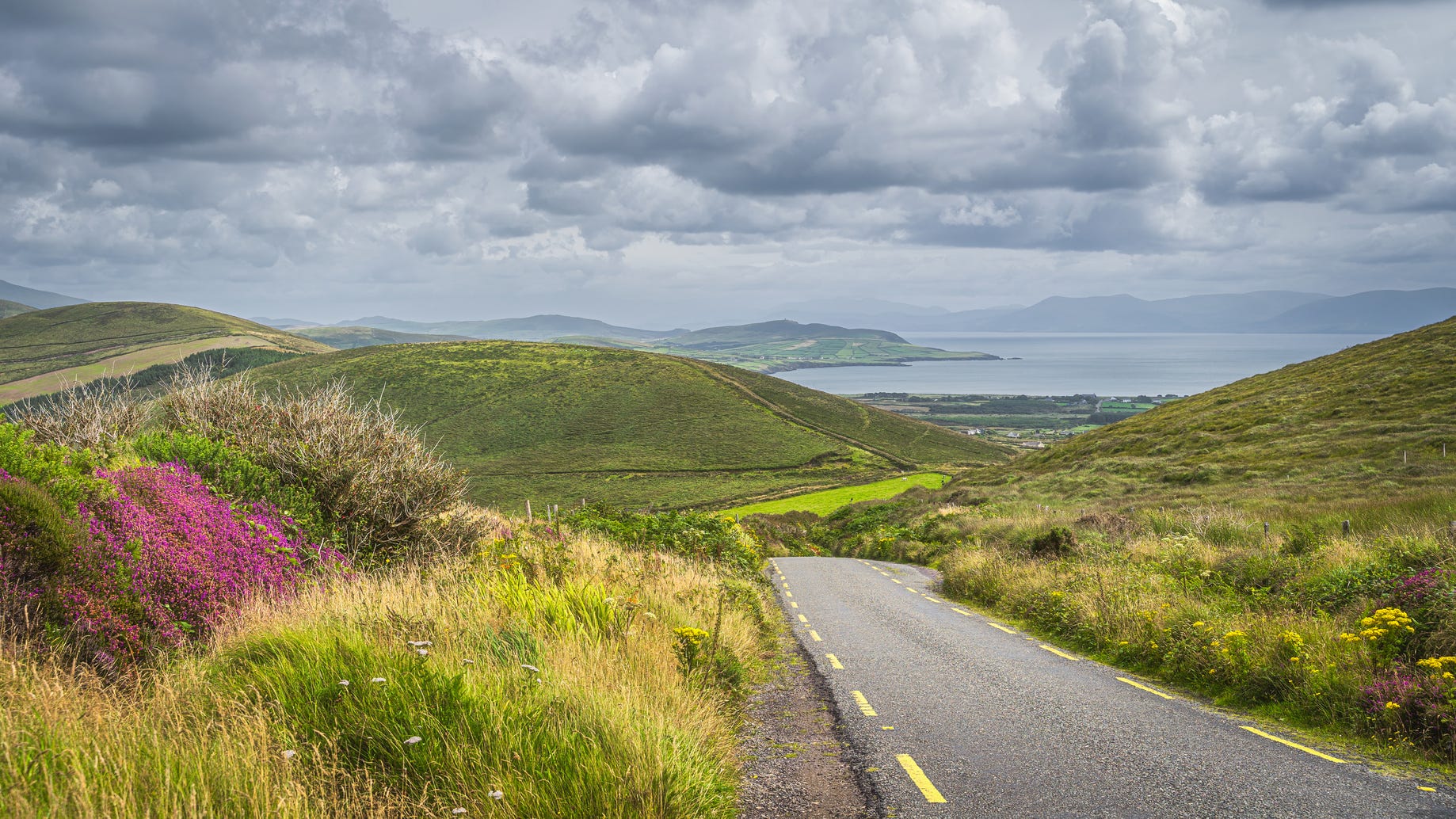
A cottage with a stove and a view of wet green fields. A village where, by your third trip to the shop, someone asks after your knee. A Saturday market in a county town, a long walk on a beach with nobody else on it, and a doctor you can explain yourself to without a phrasebook. Close enough to the States that the grandkids can come for a week without it turning into an expedition.
That's the wish people bring to Ireland: Europe without the language wall, a culture that already feels half familiar, and neighbors who actually talk to you. For many American families, family history runs through it too.
My household has looked at Ireland more than once, most recently in August 2026, and we've weighed a part-year plan that splits our time in Europe between Italy and Ireland. So I read this country the way you will, as a place to spend real months of the year, not a postcard.
Ireland is one of the easiest countries in Europe to live in and one of the narrowest to get into: no investor visa, a retirement permit that may not become a passport, and a family route through an Irish-born grandparent that changes everything for households that have one. As one reader put it, "What if we're lonely and broke in the wrong country, missing the grandkids, and then it all goes back to normal here?" In Ireland, the shared language, the neighbors and the short flight home answer much of that, and every mistake this country punishes can be avoided if you begin with your family tree.
The life
Where Americans actually land. Most land in one of three kinds of place. Dublin and its coastal suburbs for a real city, the big hospitals and the airport close by. Cork, Galway, Limerick and Kilkenny for a smaller city with a university, good restaurants and a hospital in reach. And the west and southwest, West Cork, Kerry, Clare, Connemara, Donegal, for the cottage and the coastline, if you'll drive for almost everything else.
A good week. Picture a couple in their sixties in a rented house on the edge of a market town in West Cork. He walks the dog along the harbor every morning, rain or not, because it is always a little bit rain. She has joined a choir and a book club and is now, somehow, on the committee for the summer festival. Most days end at the pub, not for the drink but because that's where the town talks. Shannon or Dublin is a few hours away, so friends from home come through every couple of months, and the grandkids take over the spare rooms in July. Nobody needs a translator for the plumber, which matters more than they expected.
What it costs. Day to day, Ireland costs about what a comfortable American suburb does. Housing is the hard part. Dublin is expensive, rentals are scarce almost everywhere, and the households that do best rent for a year before they buy. Energy is pricey and houses are often older and draftier than Americans are used to; budget for heating and for a good dehumidifier.
Health care. Ireland runs a mixed system: a public service, the HSE, alongside a large private insurance market. The retirement permit requires private medical insurance with full cover in private hospitals and bars State benefits and publicly funded care, a public hospital included, so treat private cover as your health plan. For residents with the right status, a citizen by descent among them, public care is generous: inpatient charges were abolished in April 2023, an emergency department visit costs €100 without a GP referral, and over 70, free GP visits come with no income test; under 70, you generally pay for each visit. The real weakness is the wait for specialists and elective surgery, which is exactly what private cover is for.
People. Ireland is easy to arrive in and takes longer to belong to. The welcome is real; the friendship comes with time and showing up. The happiest households joined something, a choir, the tidy-towns committee, a walking group, and learned the rhythm of a place that runs on talk. You don't have to become Irish. You do have to become a regular.
The verdict
Where Ireland stands: one of the safest, freest and best-governed countries in the world, and a narrow door for Americans without an Irish-born grandparent. Current as of November 6, 2026.
What works. The ground itself. Ireland ranks 5th of 163 countries for peacefulness, where the United States ranks 134th. It scores 98 of 100 with Freedom House, and it sits near the top of the world for press freedom and rule of law. Same-sex couples can marry, and abortion is available on request to 12 weeks. The language is yours and the US is a short flight away. For a household with an Irish-born grandparent, citizenship by descent opens Ireland and the rest of the European Union at once.
What doesn't. The ways in. The investor visa is gone, and the retirement permit bars work and is no sure road to citizenship. Housing is scarce and expensive, and specialist waiting lists in the public system are long. Borrowing costs are rising: the European Central Bank raised rates in June and September 2026, which tracker and variable mortgages feel at once, though fixed rates on new loans had barely moved by August. A near-term squeeze, not a structural problem.
On immigration, the rules are tightening. In September 2026 the government published the outline of a bill, not yet before the Dáil, to raise the residence needed for naturalization from five years to eight and add a language test. That is a country moving toward the ten-year wait Spain already requires, not one turning on its foreign residents, and it leaves citizenship by descent alone.
Ireland fits the household with an Irish-born grandparent, first and best. It also fits the retired couple with solid pension and investment income who want an English-speaking second base for part of the year, and the household that values safety, civility and a short flight home above sunshine and low costs.
Ireland fits poorly anyone who wants a permit that ripens into a passport without the family tie, anyone hoping to invest their way in, anyone who needs to work locally on arrival, and anyone for whom cheap housing or dry weather is the point.
The bottom line: Ireland is an excellent second base for the household with the family tie, or with the income for the retirement permit and no need for a second passport.