


An island life, warm all year
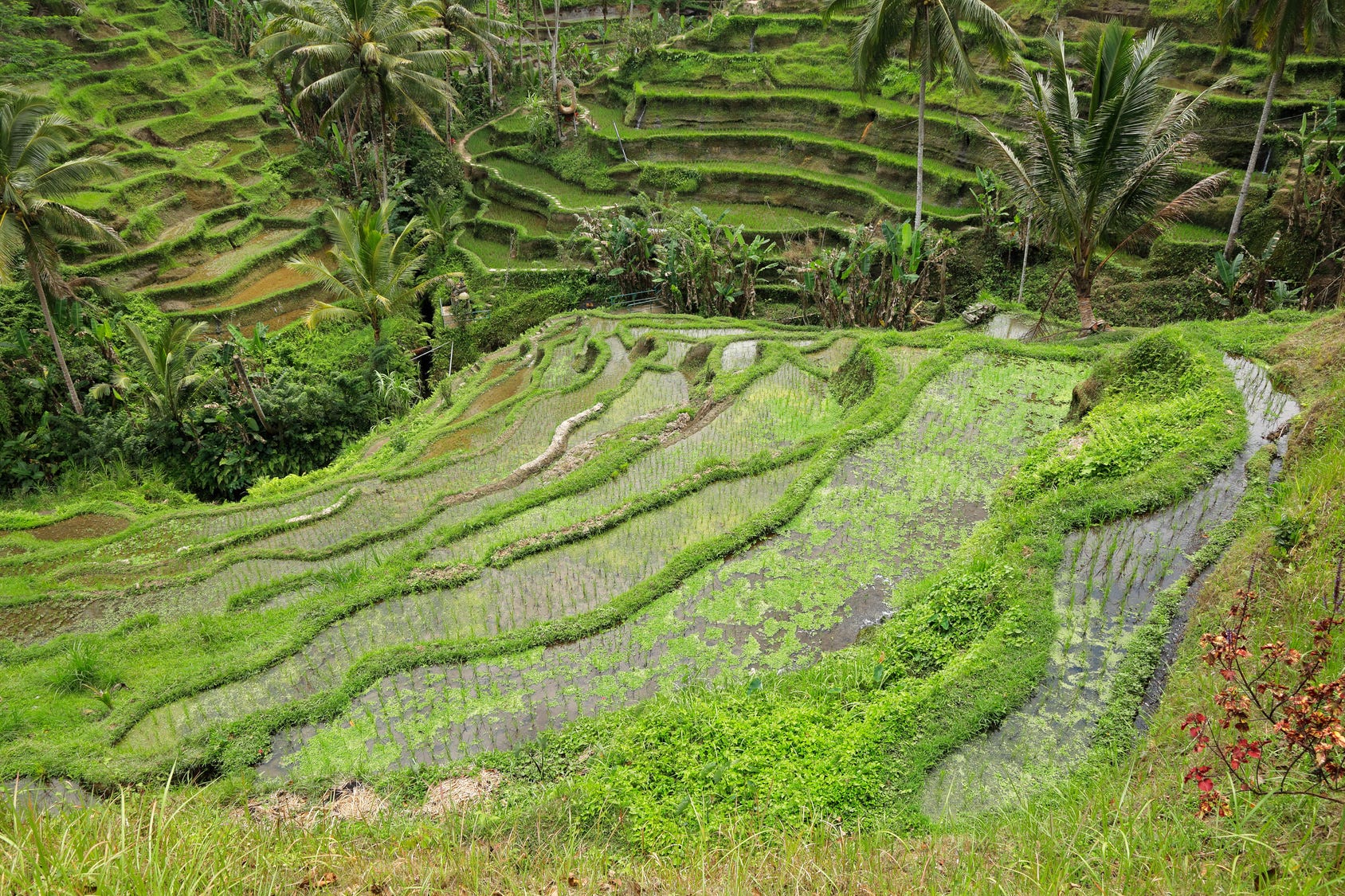
A house with a pool at the edge of the rice terraces, ten minutes from a town where you can walk to breakfast. Mornings that start at six because the light is too good to sleep through. A woman who comes three days a week and knows exactly how you like the coffee. A procession of white and gold that closes the road on the way to the market, and nobody minds. Winter, as a rumor.
That's the wish people bring to Indonesia, and mostly to Bali. Not a gap year in a hostel: a warmer, slower, more beautiful daily life, with room in the budget for help at home, a garden someone else weeds, and a long trip back each year to see the grandkids.
For a lot of households, it comes true. As one reader put it, "Leaving the US 3 months ago was among the best decisions I've ever made." That's the feeling Bali promises, and on a good morning it delivers.
What I'd check first if this were my household isn't the villa. It's three things the glossy guides skip: what the permit actually lets you do, when Indonesia starts taxing everything you earn, and what the new criminal code, in force since January 2, 2026, says about private life and speech.
None of those is a reason to stay home. Each is a reason to do this in the right order, which is what this report is about: the life first, then the verdict, then the steps.
The life
Where Americans actually land. Bali first. Ubud and its villages for green hills and quiet; Sanur for a calmer beach town with a long seafront path; Canggu and the coast above Seminyak for cafés, surf and the traffic to match. Beyond Bali, a smaller number choose Jakarta for work and the country's best hospitals, Yogyakarta on Java for culture and lower costs, or Lombok for a quieter island next door.
A good week. Picture a couple in their early sixties in a leased house outside Ubud. He swims before it gets hot. She walks with a weekly group led by a Balinese guide who has opinions about everyone's shoes. Tuesday is the market, Thursday is Indonesian lessons, and twice a month a village ceremony fills the lane with offerings and gamelan. In July the grandkids come for three weeks and never want to leave the pool.
What it costs. On dollars, daily life is inexpensive, and cheaper still now that the rupiah has weakened against the dollar this year. The costs that surprise people are fixed ones: international health insurance, a lease often paid a year or more up front, imported food and wine, and a visa agent. Budget for those, and for flights home, and the rest of the month is easy.
Health care. Bali and Jakarta have modern private hospitals that handle routine and urgent care well. For major surgery or cancer care, many foreign residents go to Jakarta or Singapore, which is why evacuation cover matters. The national health scheme is built for people working in Indonesia, not for retirees, so a retiree should plan on private international cover, bought before landing. Before you sign a lease, find the hospital you'd use at two in the morning and drive the route once.
Bali, plainly. The south of the island is crowded, and the traffic around Canggu and Seminyak can turn a short trip into a long afternoon. The island's water, waste and drainage haven't kept pace with its growth: wet-season flooding is a real hazard. The provincial government is pushing back on overdevelopment and on foreigners running businesses they aren't licensed for. None of this spoils the life inland or in Sanur; it does mean choosing the village with care.
People. Indonesians are warm, patient and curious about you. In Bali, village life turns on the temple, and a newcomer who shows up, learns some of the language and respects the ceremonies is welcomed for it. The foreign community is large, which makes friends easy to find and a bubble easy to fall into. The happiest households have friends on both sides of it. Expect to be asked where you're from, whether you're married and how many grandchildren you have, usually within five minutes. It's friendliness, not prying.
The verdict
Where Indonesia stands: a large, peaceful, partly free country that is easy for a foreign household to live in, with stricter laws on private life and speech than Americans know, and a currency and government under strain this year. Current as of November 13, 2026.
What works. The long-stay routes are clear, online and unchanged this year, and the retirement route now opens at 55. Daily life on dollars is affordable. And the streets are peaceful.
What doesn't. Three things, all structural.
First, tax. A tax-resident foreigner is taxed on worldwide income at rates up to 35%, and holding a long-stay permit can make you resident even before you pass the day count.
Second, property. Foreigners can't own land outright, and every way around that rule except a lease or a legal right of use is a way to lose the house.
Third, personal freedom. The new criminal code makes sex outside marriage and unmarried cohabitation crimes, though only on a complaint from a spouse, parent or child, and restores a ban on insulting the president and state institutions. Read it in proportion: Indonesia scores 56 of 100 with Freedom House, Partly Free, between Malaysia and the Philippines; the US scores 81. Its press and democratic checks are slipping slowly, not collapsing.
The near-term pressure is money and politics: a record-low rupiah in mid-2026, a central bank governor who quit in July (his deputy took over in September), and a vice president who resigned on November 12, 2026, after courts ruled against his school credentials. The residence routes haven't moved, and on dollars a weak rupiah is good news.
Indonesia fits the retired couple or solo retiree, 55 or older, with steady income, who wants warmth and help at home, will rent before buying, and keeps politics offline. It also fits the remote worker with a foreign employer who wants a year or two in Bali.
It fits poorly same-sex couples, who get no legal recognition; anyone whose plan depends on owning land; households that need top hospital care close by; and anyone who wants to rent out a villa or run a business informally.
The bottom line: Indonesia is a lovely, workable second base for the household it fits, provided the tax shape, the housing and the permit are settled before the move.