


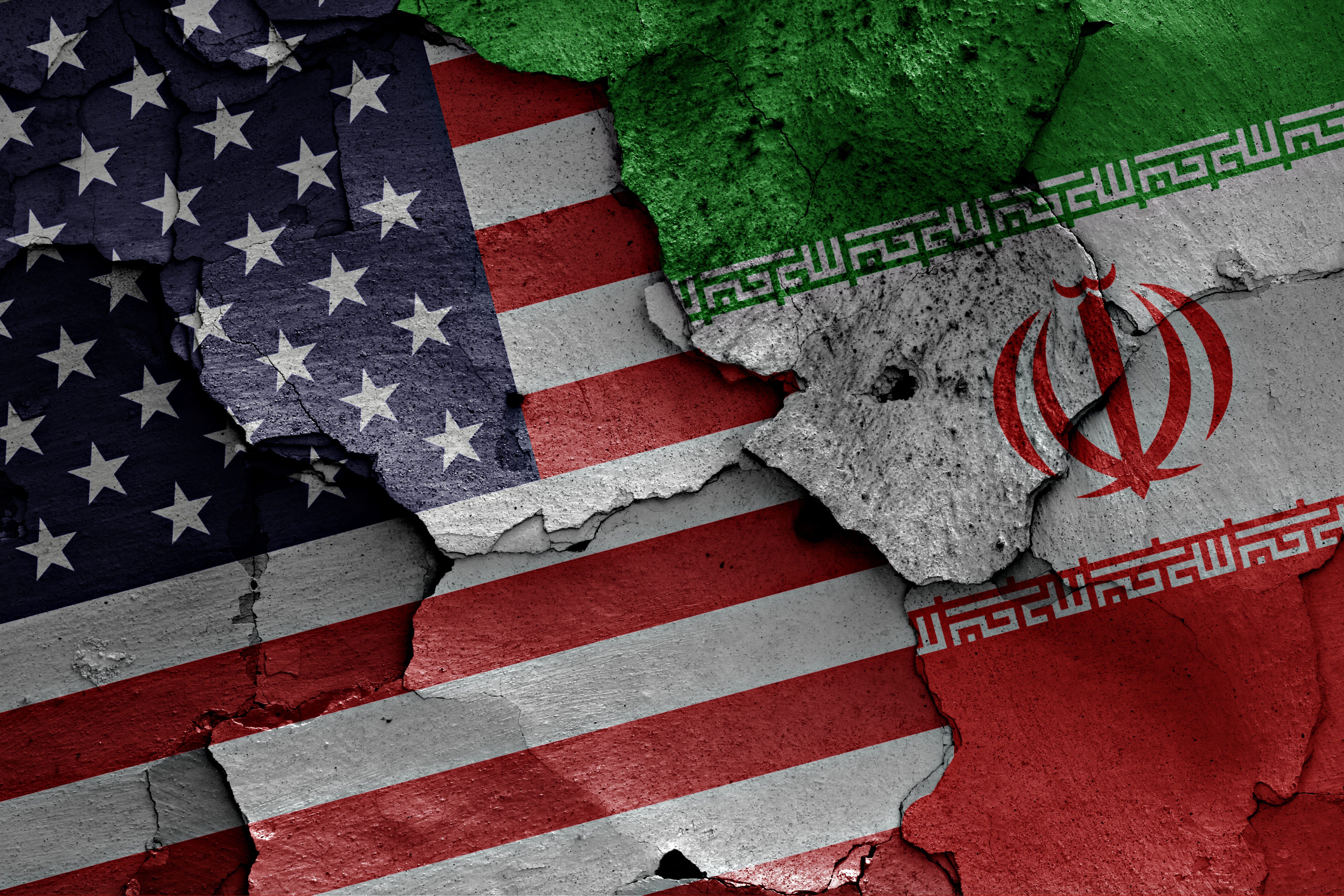
People keep asking the wrong question.
They ask, “Is the U.S. going to war with Iran?”
Sometimes the answer will be yes.
Sometimes the answer will be no.
And either way, the question is too small.
The larger question—the one that actually matters for anyone building an offshore life—is this:
What happens when the United States begins using force with less warning, less narrative logic, and less institutional discipline than before?
Iran is simply the current stage. The play is older than Iran, and it will outlive Iran.
In the old world, force was embedded in architecture: alliances, process, predictable sequencing, quiet red lines, and a stable story about why a strike happened. Even when it was immoral, it was legible. Markets could price it. Allies could plan around it. Adversaries could calculate against it.
In the emerging world, force becomes episodic and theatrical: sudden action, public justification, retroactive storytelling, and then bargaining rebranded as victory. Deterrence doesn’t collapse—it decoheres.
It loses legibility.
If you carry a U.S. passport and you want to live abroad—or you already do—this is not an academic change. It alters how volatility is transmitted to your banking, residency plan, tax posture, mobility, and reputation risk.
So this guide is not “Iran, Iran, Iran.”
It’s a doctrinal field manual for sovereign individuals living under an empire that still has power—but increasingly struggles to sequence it.