


Tall ceilings, warm water, a slower bill
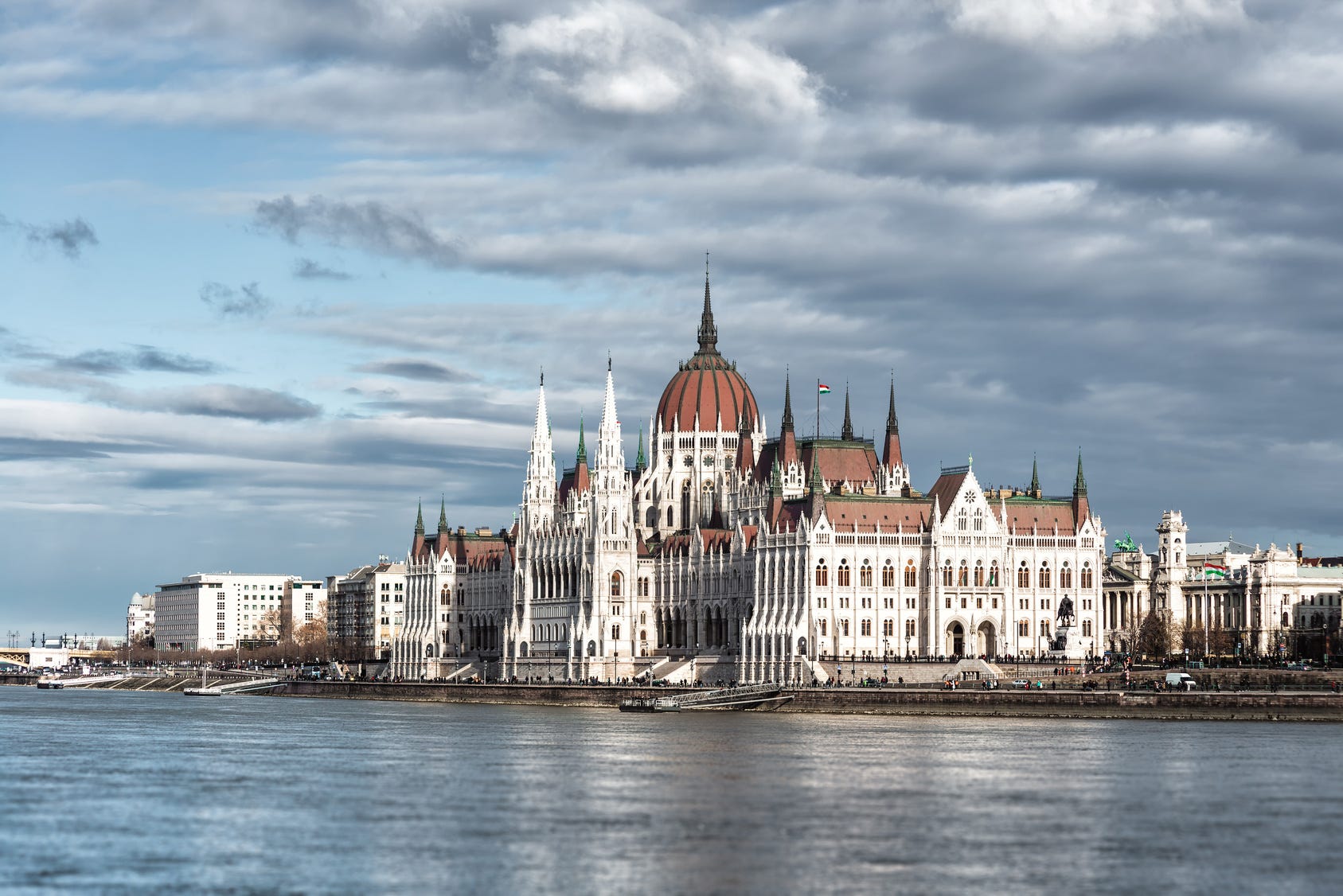
A flat on the Buda side with tall ceilings, double windows and a tiled stove nobody has lit in decades. A Tuesday morning in a domed thermal bath, old men playing chess in the steam. Lunch for two that doesn't make you wince. A summer week at Lake Balaton, a bottle from Tokaj or Eger on the table, and a city of real grandeur twenty minutes away by tram when you want it.
That's the wish people bring to Hungary: Central European elegance and a slower week, at a cost that still leaves room in the budget for the grandkids' flights.
As one reader put it, "Everyone we know thinks we're crazy." For fifteen years Hungary reached most Americans as a headline about its government, and friends at dinner heard the headline, not the bath or the lake. That picture is now out of date in both directions. In April 2026 Hungarian voters changed their government by a wide margin, and the new one has spent the year rebuilding ties with the rest of the European Union. The same government has moved to close the main door a non-working American household would have used to move there.
So what I'd check first if this were my household isn't the apartment. It's the door. Hungary still has a good life to offer, but the way in has narrowed, and part of it has a deadline on it.
The life
Where Americans actually land. Many land in Budapest, often on the Buda side, in the green, hilly districts west of the Danube, or in the grand old apartment blocks of central Pest if they want cafés and concerts at the door. A second group wants the town and the river without the capital: Szentendre, the artists' town just north of Budapest, or the old cities of Eger and Pécs. A third heads for Lake Balaton, where the north shore runs through vineyards and small resort towns that are lively in July and almost asleep in February.
A good week. Picture a couple in their sixties in a rented flat in the Buda hills. She has a standing appointment at the baths on Tuesday and Friday mornings. He has found a wine shop where the owner lets him taste before he buys, and is working, slowly, through the country's wine regions. They take a Hungarian lesson on Wednesday, and they're bad at it, and their teacher is patient. In August the grandkids come for two weeks, spend one of them at the lake and refuse to leave the water.
What it costs. Day to day, Hungary costs noticeably less than Western Europe, and Budapest costs the most. The expenses that surprise people are the structural ones: private health cover while the public system's waiting period runs, a Hungarian accountant who understands American clients, and the tax that leaks between two countries with no treaty to coordinate them.
Health care. Hungary runs a public health system, and Budapest has a well-developed private sector where English-speaking specialists are easy to find. A foreign resident who isn't working in Hungary can buy into the public system by agreement, but full cover doesn't start for two years unless you prepay, and it never covers conditions found at the entry health check. The households that do best keep a good private policy and treat the public system as a backstop.
People. Hungarian is one of the hardest languages in Europe for an English speaker, and nobody expects you to master it. Younger Hungarians in Budapest often speak good English; older neighbors and officials outside the capital often don't. The households that settle in happily learn enough to be polite, find a circle (a church, a book club, a wine society, the regulars at the baths) and accept that friendship here is slow to start and lasts once it does.
The verdict
Where Hungary stands: a safe European Union country in the middle of a political turnaround, with good daily life and a narrowing door for the household that doesn't plan to work there. Current as of November 13, 2026.
What works. Daily life. Hungary is one of the most peaceful countries anywhere, 15th in the world, where the United States ranks 134th. Pensions are exempt from Hungarian income tax, and most other income is taxed at a flat 15%. And the political picture has moved. On April 12, 2026, the Tisza party won 141 of 199 seats, a two-thirds majority, and the new government has since agreed a deal with Brussels to release frozen EU funds and rewritten the 2021 law that restricted LGBTQ+ content.
What doesn't. Start with where Hungary stood before the election, because the indexes still measure it. Freedom House scores Hungary 65 of 100 and rates it Partly Free: the only member of the EU with that rating, and well below the United States. Its rule-of-law and corruption scores are the weakest of its EU neighbors. Those numbers describe the previous government; recovery under the new one will take years, not months. Closer to the plan: the Guest Investor Program, the one route built for a household with capital and no job in Hungary, would close to new applicants on January 1, 2027, under a bill published November 4, 2026. And the US income tax treaty has been gone since January 1, 2024, so investment income can be taxed twice.
Hungary fits the household with capital that can act before December 31, 2026; the remote worker; the family with Hungarian roots and some Hungarian; and the part-year household that wants Budapest a few months at a time, without residence.
Hungary fits poorly the retiree who wants a simple pension-based visa (there isn't one), the household whose income is mostly US dividends and interest, and anyone who needs equal LGBTQ+ legal standing now rather than in a few years.
The bottom line: Hungary is a better country to live in than its headlines suggest and a harder one to move to than it was a year ago. Settle the door before you fall for the apartment.