


A life that simply works
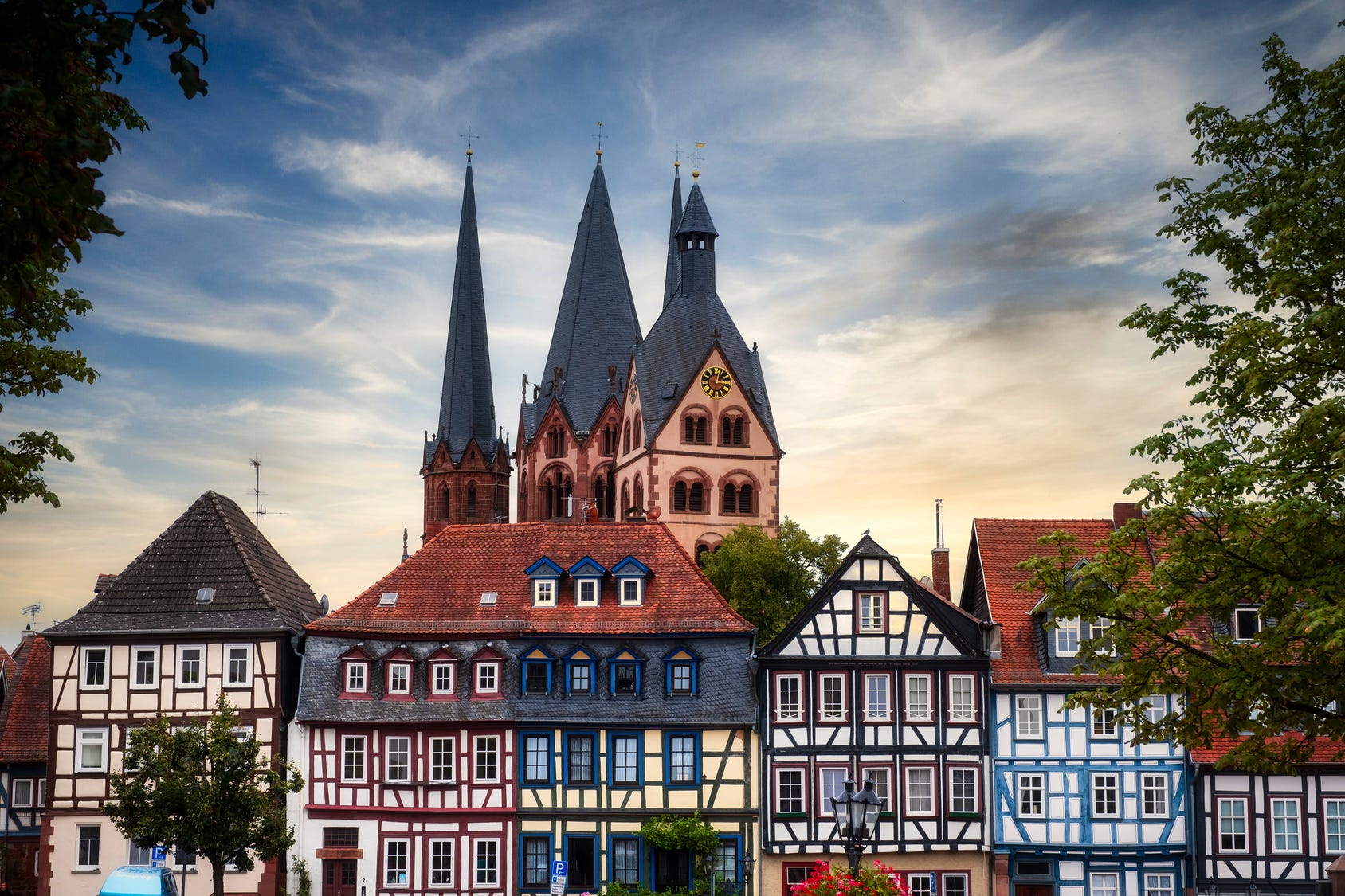
An apartment in an old building with tall windows, a ten-minute walk from a market square. A bakery downstairs that opens before you're awake. A tram that comes when the sign says it will. Sundays when the shops are shut and the whole town walks in the woods. A family doctor who takes the time to explain. And from the main station, a morning's train ride to Paris, Vienna or Amsterdam.
That's the wish people bring to Germany. Not a postcard: a well-run week, in a country where the rules are written down and mostly followed, with the rest of Europe one train ride away.
Germany isn't usually the first country Americans picture, which is part of its appeal to the people who choose it. As one reader put it, "Everyone we know thinks we're crazy." Friends picture gray winters and a mountain of forms. They don't picture the riverside walk, the Christmas market in the square, the neighbor who takes in your parcels, or the quiet that settles over a German town on a Sunday afternoon.
If this were my household, the first thing I'd check is how Germany actually lets an American stay without a job, because it does so differently from most of Europe. There's no retirement visa with a published income line and no golden visa. There's a discretionary permit for people who can support themselves, decided case by case by the local foreigners office. That sounds daunting. In practice it's one of the more straightforward doors in Europe for a household with steady income and real health insurance.
Germany punishes a handful of mistakes, most of them about health insurance, the estate and the order you do things in. Every one of them can be avoided.
The life
Where Americans actually land. Americans in Germany tend to choose one of four kinds of place. Berlin, for people who want a big, international, English-friendly city with culture every night of the week. Munich and the Bavarian lakes, for people who want mountains on the horizon, excellent hospitals and a higher price tag. Hamburg and Frankfurt, for people who want a working city with an airport that reaches everywhere. And the smaller university and river towns of the southwest, Heidelberg, Freiburg, Wiesbaden and the Palatinate around Kaiserslautern, where decades of American military families have left a familiar landing pad: English-speaking doctors and neighbors who have met Americans before.
A good week. Picture a couple in their early sixties in a rented apartment in a mid-sized city on the Rhine. He walks to the bakery every morning and has learned to say exactly what he wants. She takes a German class twice a week and has started to understand the radio. Wednesday is market day. On Saturday they take the train somewhere they've never been, and are home for dinner. On Sunday the shops are shut, so they walk along the river with what seems like half the town. Twice a year the grandkids fly in, and the Christmas market in December is the reason they come.
What it costs. Germany is not a bargain country, and it isn't trying to be one. Munich and the big cities have tight rental markets and rents to match; the smaller cities and the east are noticeably cheaper. The costs that surprise Americans are structural rather than daily: private health insurance, which for an older arrival can be one of the largest lines in the budget; the tax filings in two countries; and a German tax adviser, who earns their fee in the first year.
Health care. German medicine is very good, and the country runs a public health system alongside a large private one. The catch for a retiree is that the public system is built around German work and German pensions. Someone retiring from the US, with no German pension, generally can't join it, and after 55 the door is effectively shut. So you plan on private insurance for life, chosen carefully, priced by your age and health when you sign. Germany keeps a safety net: a private basic tariff that insurers must offer anyone living in Germany who has no other full cover. Buy a full German policy early, while you're healthy.
People. Germans are reserved at first and loyal after, which takes some getting used to. The door into German life is the Verein, the club: hiking clubs, choirs, rowing clubs, garden allotments, the local history society. Join one and within a year you'll have people who notice when you're away. Learn the language, even badly. English will carry you through the cities; German is what turns a neighbor into a friend. You can stay entirely American and still belong.
The verdict
Where Germany stands: a stable, free, well-run country that works well for a household bringing its own income and its own health insurance. Current as of November 13, 2026.
What works. The foundations, almost without exception. Germany scores 95 of 100 with Freedom House, 14 points above the United States. It ranks 6th of 143 countries on rule of law and 28th of 163 on peacefulness, where the US ranks 134th. Same-sex couples can marry. The permit Americans use to live here without working is steady, and citizenship is open after five years without giving up your American passport. And the US tax treaty treats American retirees unusually well on Social Security.
What doesn't. The paperwork, first and always: appointments, forms, and offices that still prefer letters to email. The residence permit is discretionary, so there's no published line that guarantees a yes. Health insurance is the real hurdle for anyone arriving after 55. Taxes on income are high, and the inheritance tax is harsh on anyone who isn't a spouse or a child, unmarried partners included. Housing in the big cities is tight.
On politics, in proportion. A hard-right party, the AfD, roughly doubled its seats in the February 2025 election and is now the largest opposition party. That's worth watching, against a baseline few countries match: Germany is one of the freest and best-governed democracies in the world, its courts are independent, and the party is in opposition, not in power.
Near-term pressure. The government is moving an income tax reform through parliament that would raise the top rate for the highest earners from 2027. It touches a few households in this readership and leaves most alone.
Germany fits the retired or semi-retired couple, married, in good health, with solid pension and investment income, who want city life, culture, a dense rail network and the rest of Europe close at hand, and who are willing to learn some German. It's a strong fit for LGBTQ+ couples.
Germany fits poorly households hoping for a tax break, anyone older or in poor health who hasn't priced private cover in writing, unmarried couples with large estates who don't intend to marry, and anyone who can't face German bureaucracy.
The bottom line: Germany is one of the safest second bases in Europe for the household it fits, as long as the health insurance and the estate are settled before the move.