


A green island, on your own clock
A wooden house on a hillside above the sea, with a porch that catches the evening breeze. A morning walk on a trail that disappears into rainforest ten minutes from your door. A swim before lunch in water warm enough that you stop noticing it. Fruit from a neighbor's tree left on the step. Nights so quiet you can hear the rain coming across the valley before it reaches the roof.
That's the wish people bring to Dominica. Not the Caribbean of resorts and cruise crowds: a small, green, English-speaking island where life runs at a human pace, nature is the main event, and the United States is still a few hours away for the grandkids and the doctor's appointments you'd rather keep at home.
As one reader put it, "Leaving the US 3 months ago was among the best decisions I've ever made." Dominica can be that decision for the right household. It's also a place that asks more of you than most islands do, and rewards you for planning around what it asks.
I'll write this the way I'd approach it if this were my household: what I'd check first, what I'd settle before signing anything, and what I'd refuse to leave to chance. Three things make Dominica different. Its citizenship program is under real pressure from Washington and Brussels. Its tax rules are about to change, very much in a newcomer's favor. And it sits in the path of hurricanes, which it has lived through and rebuilt from. None of that rules it out. All of it shapes the order you do things in, and that's what this report is for.
The life
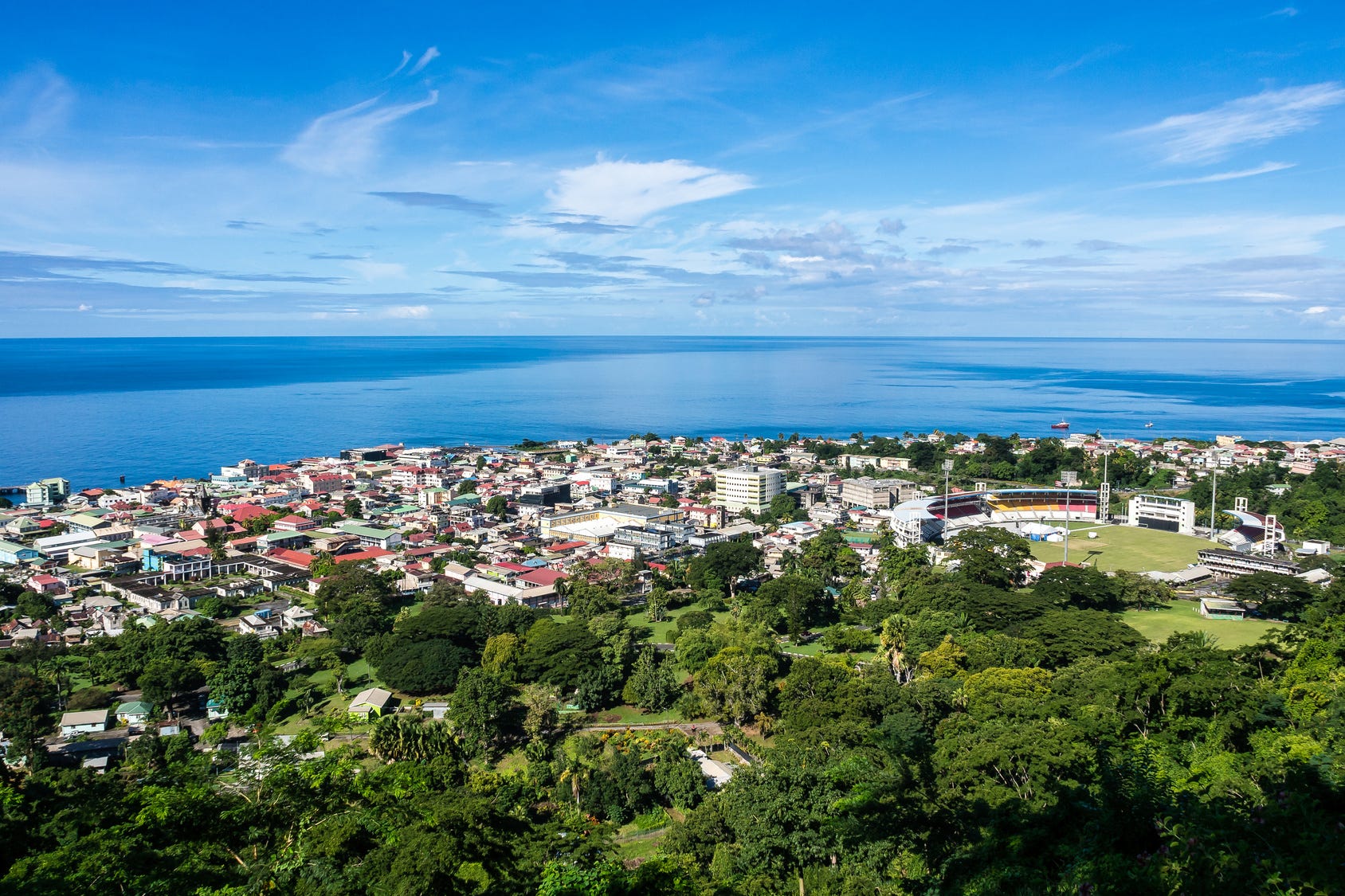
Where Americans actually land. Dominica is small, and the choice comes down to three kinds of place. Roseau, the capital on the southwest coast, and the hills just above it, for people who want the hospital, the government offices and the market within reach. The north around Portsmouth and the Calibishie coast, for people who want beaches, a slower village life and a longer drive to town. And the south and the interior valleys, around Soufrière and Scotts Head or up toward the national park, for people who came for the hiking and the reefs and are happy to be a little cut off.
A good week. Picture a couple in their early sixties renting a house above the coast north of Roseau. He works three mornings a week for clients back home; she has taken up the long-distance trail one section at a time, with a local guide she now counts as a friend. Saturday is market day in Roseau, early, before the heat. Midweek they snorkel at a reef where the water bubbles from volcanic vents. Most evenings are on the porch. When a storm system shows up on the forecast, they know the drill: water stored, generator checked, papers in the dry bag. In December their daughter flies in with the kids, and the porch gets loud.
What it costs. Day-to-day living outside the best villas is modest by American standards, and rent is the line where most households save. What costs more than people expect: anything imported, which is most things in a shop; electricity; getting on and off the island; and the insurance a sensible household carries here, for the house and for health.
Health care. This is the part to plan most carefully. The main public hospital, the Dominica China Friendship Hospital in Roseau, handles a good range of everyday and routine care. Serious cases can need evacuation off the island, and a foreign resident should expect to pay for public services, while private clinics may want cash up front. The answer is an international health policy that includes medical evacuation, bought before you land, and a clear plan for where you'd go for anything major.
People. Dominica speaks English, which makes the first months far easier than in most places Americans consider. Communities are close-knit and proud of having rebuilt after the 2017 hurricane. The households that do best show up: they use the same shops, hire local, join a hiking group or a church choir or a beach clean-up, and learn which neighbor knows everything. Ask your trail guide where the best bread is, and by the weekend you'll know the baker, the baker's cousin and the man who fixes generators.
The verdict
Where Dominica stands: a free, stable small-island democracy that works well for a household that plans around three things: health care, hurricanes and a citizenship program under outside pressure. Current as of November 13, 2026.
What works. Freedom House scores Dominica 92 of 100, Free, above the United States and among the highest in the Eastern Caribbean. It is English-speaking, its currency is fixed to the US dollar, and it actively wants remote workers. The tax picture should improve: the August 4, 2026 budget proposes a flat 10% income tax from January 1, 2027, and an end to taxing residents on income earned abroad, though neither is law yet. Americans stay fully taxed by the IRS either way; what goes away is a second layer of tax. There is no capital gains, inheritance or wealth tax.
What doesn't. Three things, each with a way through. Health care is basic for anything serious, so a resident household needs international cover with evacuation. Dominica sits in hurricane country: Hurricane Maria, a Category 5 storm, struck in September 2017. The island rebuilt; the risk is permanent. And the Citizenship by Investment Programme is under real pressure: the United States has partially restricted visas for Dominican nationals since January 1, 2026, and the European Commission has asked the five Eastern Caribbean programs to wind down by June 1, 2028. That pressure falls on the passport's travel value, not on your right to live on the island. A smaller gap: there's no deposit insurance yet.
On rights: same-sex relations were decriminalized by a court ruling in 2024, but same-sex couples have no legal recognition. Abortion is legal only to save the woman's life.
Who it fits. A remote-working couple who want an 18-month trial in nature before deciding anything bigger. A retired couple with good international insurance who want a quiet, English-speaking island for part of the year. A household that wants a second citizenship as a long-term hedge and accepts that its travel value is shrinking.
Who it doesn't. Anyone with a serious ongoing condition who needs specialists nearby. Anyone who wants a Caribbean passport mainly for visa-free Europe or Britain. Same-sex couples who need their relationship recognized in law.
The bottom line: Dominica is a sound second base for a household that wants nature over nightlife, buys the right insurance first, and treats the citizenship program as an option, not the plan.