


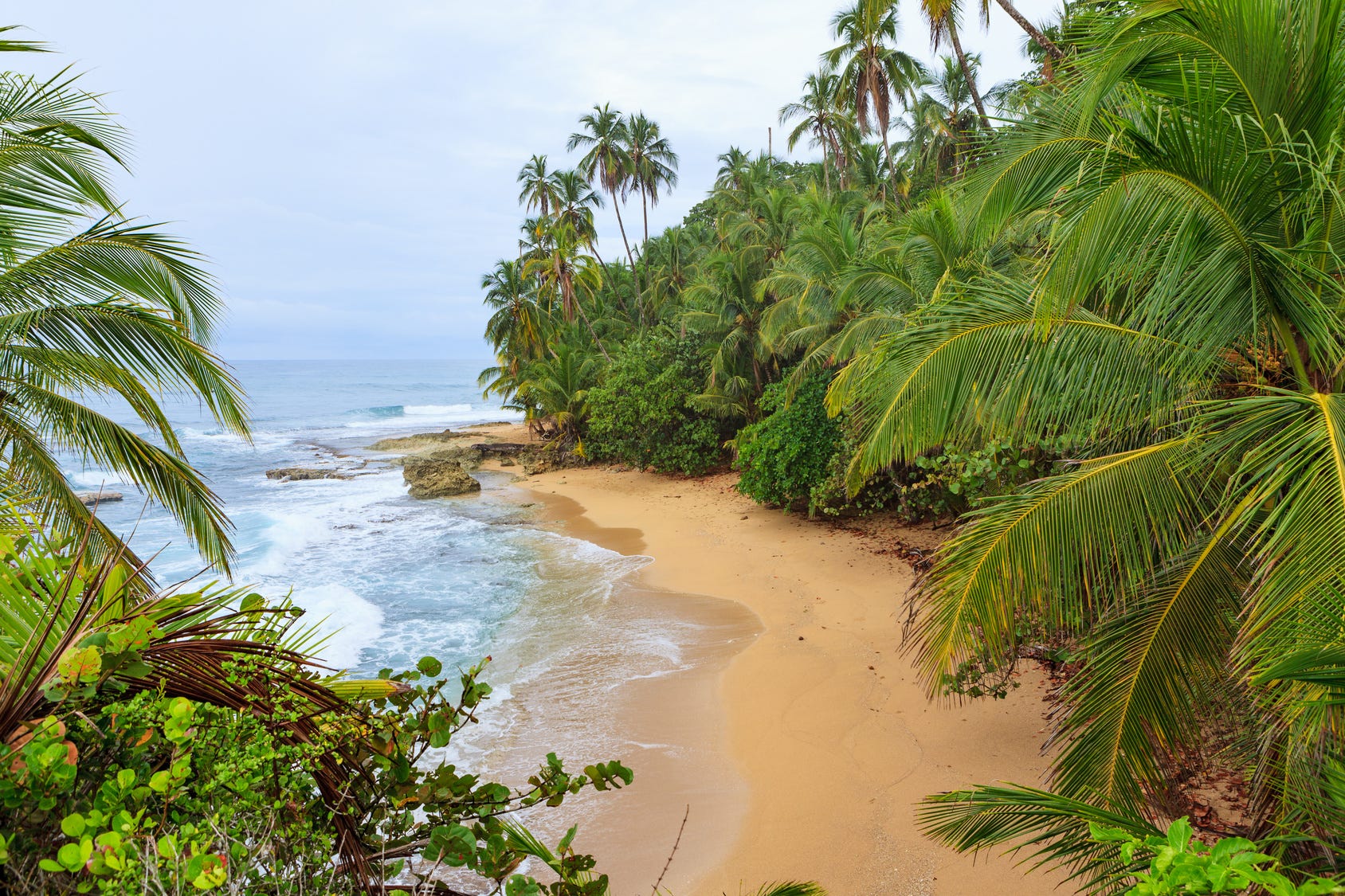
A green life, a short flight from the people you love
A house on a hillside above a valley town, where the mornings are cool enough for coffee on the porch and the afternoons bring rain you can set a clock by. Birds you had to look up the first week and now know by their calls. A Saturday farmers' market, a neighbor who brings you mangoes, a beach two hours away for when you want one. And the grandkids, a short flight from home, close enough to come for spring break.
That's the wish people bring to Costa Rica. Not a hideaway. A gentler, greener week, with the family still within reach and the money still where it should be.
I read Costa Rica the way I'd read any country: what I'd check first if this were my household, and in what order. For Costa Rica the answer to the first question changed this fall, and it's about tax, not about visas.
Costa Rica is one of the easiest countries in the hemisphere to get into and one of the kindest to live in. The stakes are still real. As one reader put it, "We have money, but not enough to survive a massive mistake." The few mistakes Costa Rica punishes can all be avoided, and this report shows how.
The life
Where Americans actually land. Most settle in one of two places. The Central Valley, the green bowl around San José, holds the hill towns (Atenas, Grecia) and the more polished suburbs west of the capital (Escazú, Santa Ana): spring weather most of the year, and the private hospitals close by. The second is Guanacaste's Pacific coast, Tamarindo, Playas del Coco and Nosara: hotter, drier, more English spoken, and the beach is the point.
A good week. Picture a couple in their sixties renting a house outside a valley town. He walks the dog early, before the heat. She volunteers two mornings a week with the town's English conversation group, which is how they met half the people they now have dinner with. Wednesday is the drive to the feria for fruit they can't name yet. Once a month they go down to the coast for two nights. In March a daughter flies in with the kids, and the grandkids spend the week chasing iguanas and refusing to put on sunscreen. Their doctor is ten minutes away.
What it costs. Costa Rica is not the bargain people remember. Typical published budgets put a comfortable couple at $2,500 to $3,000 a month away from the beach towns, which are priced for tourists. The costs that surprise people are the monthly payment to the public health system, property tax on a larger house, and the car you'll need outside San José, on roads that are slow.
Health care. The public system, run by the Caja Costarricense de Seguro Social (the Caja), is universal, and joining it is a condition of the residence permits. Emergency care is good and immediate; the wait for specialists and planned surgery runs well over a year on average. Medicare usually doesn't pay for care outside the United States. Most American households keep a private policy too and use the private hospitals around San José for anything that can't wait. Budget for both.
People. Costa Ricans are friendly and easygoing, and the country is used to Americans. That cuts both ways: it is easy to arrive and live entirely in English, and the households that end up lonely are often the ones that did. The happiest learned enough Spanish to talk to the neighbor, joined something local, and adjusted to pura vida time, which applies to contractors and government offices as much as to the beach.
The verdict
Where Costa Rica stands: a stable, free democracy, one of the freest in the Americas, that works well for the household moving there. It remains one of the most peaceful countries in its region, though violent crime has run at its highest recorded levels for three years, mostly between criminal groups; and a proposed tax on residents' foreign investment income is the one change that could reach your plan. Current as of November 6, 2026.
What works. The doors are wide and cheap to walk through: a pension of $1,000 a month qualifies you, and that threshold hasn't moved in years. Costa Rica is free, scoring 91 of 100 with Freedom House, ten points above the United States. It's peaceful for its region: 62nd of 163 countries on the Global Peace Index, second in North and Central America after Canada; the United States is 134th. Your pension and Social Security aren't taxed here. Same-sex marriage is legal. And it's close enough that the family can come and the calls are easy.
What doesn't. Crime first, in proportion. Costa Rica recorded 16.7 homicides per 100,000 people in 2025, after two years at similar levels, the three highest in its record. About seven in ten were score-settling or revenge killings, concentrated in a few districts of the capital and in Limón. It's a country with a crime problem to plan around, not a dangerous country. Public health care is good in an emergency and slow otherwise. And the tax picture is in motion: in September 2026 the government sent the legislature a 15% tax on residents' foreign interest, dividends, rent and capital gains. Pensions aren't named in it; investment income is.
Costa Rica fits the retired couple living on pensions and Social Security who want nature, a mild climate and family within a short flight, and the household that wants a part-year base without a large investment.
It fits poorly the household living mostly on a large taxable portfolio, until the tax bill is settled; anyone with a condition that needs regular specialist care and no budget for private medicine; and anyone for whom access to elective abortion is non-negotiable.
The bottom line: Costa Rica is one of the easiest and most welcoming second bases in the hemisphere for the household it fits, as long as you structure the investments before you become resident and buy private cover alongside the Caja.