


A calm island, close to home
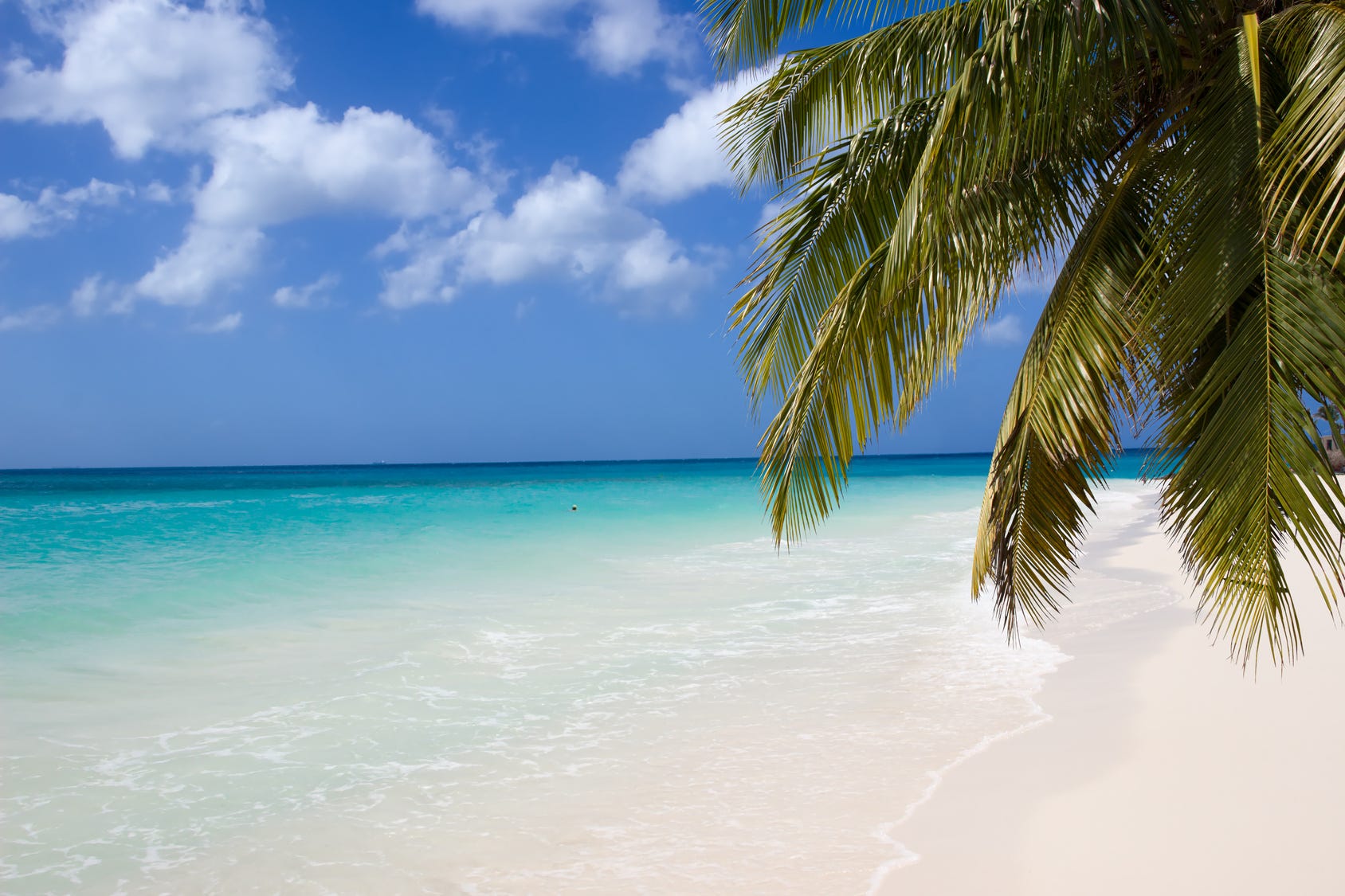
A swim before the heat comes up. Coffee on a veranda over water the color of a swimming pool. A town where everyone speaks English, the supermarket carries the brands you know, the money is pegged to the dollar, and Miami is a short hop away when you need the States.
That's the wish people bring to the Cayman Islands: an island life without the chaos that usually comes with one. Sun and safety, English law and English spoken, a home you own outright, and a place that doesn't send you a tax bill of its own each April.
It often comes with a look from the neighbors. As one reader put it, "Everyone we know thinks we're crazy." With Cayman, the look usually means one of two things. They've heard "tax haven" and assume there's a trick, or they've seen the hurricane footage.
Both get straight answers. First, for an American, the Cayman Islands don't make the IRS go away. The United States taxes its citizens wherever they live. What Cayman offers is quieter and, for the right household, more valuable: no second tax system stacked on top of the first, a residence right you can hold for life, and a British territory's courts behind the title to your house.
The islands punish a few mistakes, and most of them are expensive rather than dangerous. What I'd check first if this were my household is the arithmetic: the price of the house the route requires, the duty on that house, the health cover, and the storm plan. Get those four right, in that order, and the veranda is real.
The life
Where Americans actually land. Almost everyone settles on Grand Cayman. Seven Mile Beach and West Bay for condos on the sand, restaurants within a walk and neighbors from everywhere. George Town and South Sound for people who want to be near the offices, the courts and the main hospital. The quieter east, Bodden Town, North Side and East End, for a house with land and a slower road. And the two Sister Islands, Cayman Brac and Little Cayman, for a much smaller life, with fewer services and lower thresholds to qualify.
A good week. Imagine a couple in their late sixties in a condo on the west side of the island. He might dive twice a week with the same three friends; she might sing in a choir and run a book club she started their first year. Wednesday could be golf, Sunday church and a long lunch. Miami handles the dermatologist and the grandkids' birthdays. In March the grandkids come to them, and the house fills with wet towels. In the heart of storm season, a couple like this is often back in the States, with the shutters up.
What it costs. This is one of the most expensive places in the Caribbean to live: nearly everything arrives by ship or plane, and most goods pay import duty on the way in. Housing on Grand Cayman is priced like a wealthy suburb, groceries like a resort town, and electricity like an island that burns imported fuel. Prices rose 2.8% in the year to the first quarter of 2026, which is ordinary. The cost is high, not out of control.
Health care. Every resident must hold at least the standard health insurance contract from a locally approved insurer, and an overseas policy alone doesn't satisfy the law. Grand Cayman has three hospitals and handles everyday and much specialist care well. For the most complex treatment, plan on the US, which is why the policy you choose matters as much as the hospital down the road. Medicare doesn't pay for care on the island, but it still works when you're back in the States.
Storms. The hurricane season runs from June 1 to November 30. Living well here means a plan: a house built to code, real insurance and a rule for when you leave. Hurricane Ivan in September 2004 is the storm every long-time resident remembers: its damage and losses came to almost twice the islands' annual economic output. The island rebuilt and plans for the next one.
People. Caymanians are proud of their islands and warm once they know you, and the island is full of people who arrived from somewhere else: the population grew by nearly half between 2016 and 2025. That makes it easy to find your people and harder to know your neighbors. The happiest households join something, a church, a dive club, a charity board, and treat Cayman as a place to belong, not just a place to own. You can stay entirely American and still be part of the island.
The verdict
Where the Cayman Islands stand: a stable, safe, well-run British territory that works well for a wealthy household that wants a second base, at a high price and with real storm exposure. Current as of November 13, 2026.
What works. English is the language and English common law is the law, with final appeals heard in London. The currency is pegged to the US dollar. There's no income tax, capital gains tax, inheritance tax or annual property tax. The permanent route is built on owning a home. Politics are steady: the April 30, 2025 election produced a government sworn in within a week. The economy is growing and unemployment is low.
What doesn't. The price of entry, first. The permanent route asks for CI$2 million in developed real estate, the government doubled its fee in 2026, new grants now run ten years before they can be made indefinite, and the stamp duty on a home at that price is now 10%. The rules for investors are the next part of the immigration system due to change. Storms are a structural fact of life. Health care is good for everyday needs and thinner for the complex ones. On civil liberties, Cayman is a free society with two gaps a household should weigh: abortion is a crime except to save the mother's life, and same-sex couples can form civil partnerships but not marry.
The Cayman Islands fit the wealthy retired or semi-retired household that wants an English-speaking, dollar-linked island a short flight from Florida, can buy a CI$2 million home without strain, and wants a right to stay that doesn't depend on a job. They also fit owners and senior managers of a real Cayman business.
They fit poorly anyone hoping to cut their US tax bill, anyone on a budget built around a fixed pension, anyone who needs to work locally, households with complex medical needs who don't want to fly for treatment, and households for whom marriage equality or access to abortion is non-negotiable.
The bottom line: Cayman is a sound, safe second base for the household that can afford it, provided the house, the health cover and the storm plan are settled in that order.