


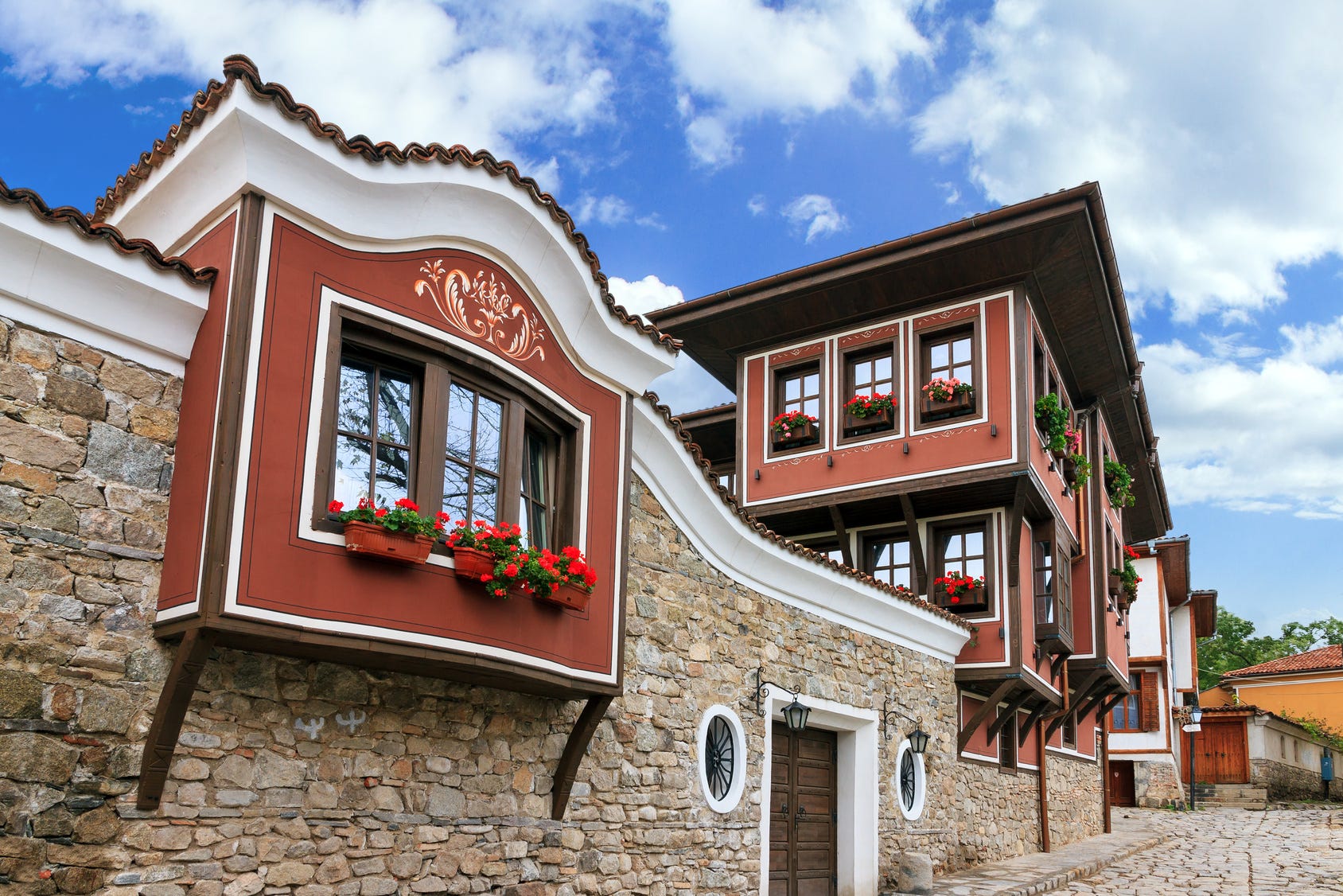
A life the money can carry
An apartment in Plovdiv's old town, or a house on a hill above the Black Sea. Mornings at a café where a good coffee costs less than the tip would back home. The mountains an hour or two away for long weekends. A doctor you can afford to see, and a budget with room left at the end of the month for flights home to the grandkids.
That's the wish people bring to Bulgaria: a full European life that a retirement income can actually carry, without spending down the savings to pay for it. In the last two years the wish got bigger. Bulgaria joined the Schengen area fully on January 1, 2025, and adopted the euro on January 1, 2026. The country that used to be Europe's bargain on the edge is now Europe's bargain on the inside.
Here's what I'd check first if this were my household. Not whether we could afford Bulgaria, because almost any household reading this can. Whether we could afford a mistake there.
As one reader put it, "We have money, but not enough to survive a massive mistake." Bulgaria is a country people choose because they want their money to go further, and that makes the mistakes matter more, not less. A low-cost, low-tax country can still cost you dearly if you buy land in the wrong name, count your travel days the old way, or assume your tax bill drops to Bulgaria's flat rate. It doesn't.
Every one of those mistakes is avoidable, mostly by doing things in the right order. That's what this report is for.
The life
Where Americans land. Most settle in one of four kinds of place. Sofia, the capital, for the best hospitals, the main international airport and a real city under a mountain you can hike on a Saturday. Plovdiv, smaller and older, for the cobbled old town, the cafés and a cultural life that punches far above its size. The Black Sea coast around Varna and Burgas for the sea, at the cost of quiet winters. And the mountain and spa towns for people who want to ski, soak and walk, and don't mind a drive to a specialist.
A good week. Picture a couple in their sixties in a rented apartment near Plovdiv's pedestrian main street. She has Bulgarian lessons on Tuesday and Thursday mornings and is proud of reading the bus signs. He has found the man at the market who sells the good white cheese and has opinions about tomatoes. They eat out most evenings. Friday they drive into the Rhodope mountains and stay over. In July the grandkids come and the whole family takes a week at the sea. Nobody asks what they do for a living.
What it costs. Bulgaria has the lowest minimum wage in the European Union, and everyday prices follow it. Prices are rising fast from that low base, so budget for increases rather than today's menu prices. The costs that catch people out are not daily ones. They're the accountant who files in two countries, the private health policy you need before the public system takes you, and the lawyer you'll want for any property purchase.
Health care. Bulgaria has a public system funded by contributions, but it opens to foreigners only with permanent residence or the EU's long-term resident status. The one-year pensioner permit doesn't qualify, so plan on private insurance for your first five years; the visa requires it anyway. Once you're in, the contribution for someone not working starts at €24.81 a month. Quality is uneven. The best care is in Sofia and the larger cities, and many foreign residents keep a private policy too, for speed and English-speaking doctors.
People. Bulgarian is written in Cyrillic. The alphabet takes a week to learn and repays it every day, because every sign and form is in it. Younger people in the cities often speak English; officials and older neighbors mostly don't. Households that do well here take the language seriously, find a regular table somewhere, and say yes to the invitations.
The verdict
Where Bulgaria stands: a free EU democracy, now inside the euro and Schengen, with low costs, simple taxes and a residence route built for retirees, and weaker courts and more corruption than its Western neighbors. Current as of November 13, 2026.
What works. The pensioner route asks for a pension and modest means, not a fortune. Bulgaria taxes most income at a flat 10% and doesn't tax state pensions at all. Your money is in euros, and a Bulgarian permit opens short trips across the Schengen area. The country is safe and peaceful, and it is free: Freedom House rates it Free, at 74 of 100 to the United States' 81. And after eight elections in five years, the April 19, 2026 vote produced a single-party majority government.
What doesn't. Institutions, first. Bulgaria's corruption score is tied with Hungary's for lowest in the EU, and its courts are slow. You'll feel it in property deals, disputes and Bulgarian-language paperwork that rewards a good local lawyer. Prices are rising fast, driven by fuel and transport: a cost squeeze for 2026 and 2027, not a structural problem.
On civil liberties, Bulgaria sits below the Western European average: its press is less free than its western neighbors', and same-sex couples have no legal recognition. One democracy watchdog added Bulgaria to its 2026 watchlist of countries at risk of backsliding. The new prime minister, Rumen Radev, has criticized how the euro was adopted and wants "practical relations" with Russia, though he condemned its invasion of Ukraine and says Bulgaria will stay on its European path. For most households that's worth watching, not worrying about: Bulgaria remains a free EU democracy with weak institutions, not a country heading anywhere frightening.
Bulgaria fits the retired household living on Social Security, pensions and investments that wants a European base at a fraction of Western prices, near the sea or the mountains, and is comfortable learning a new alphabet and hiring help with the paperwork.
Bulgaria fits poorly anyone who needs to deal with officials in English, same-sex couples who need their relationship recognized in law, households that want an EU passport without giving up their American one, and buyers set on a house with land in their own names.
The bottom line: Bulgaria is a sound, affordable second base for the household it fits, as long as you plan for its institutions rather than around them.