


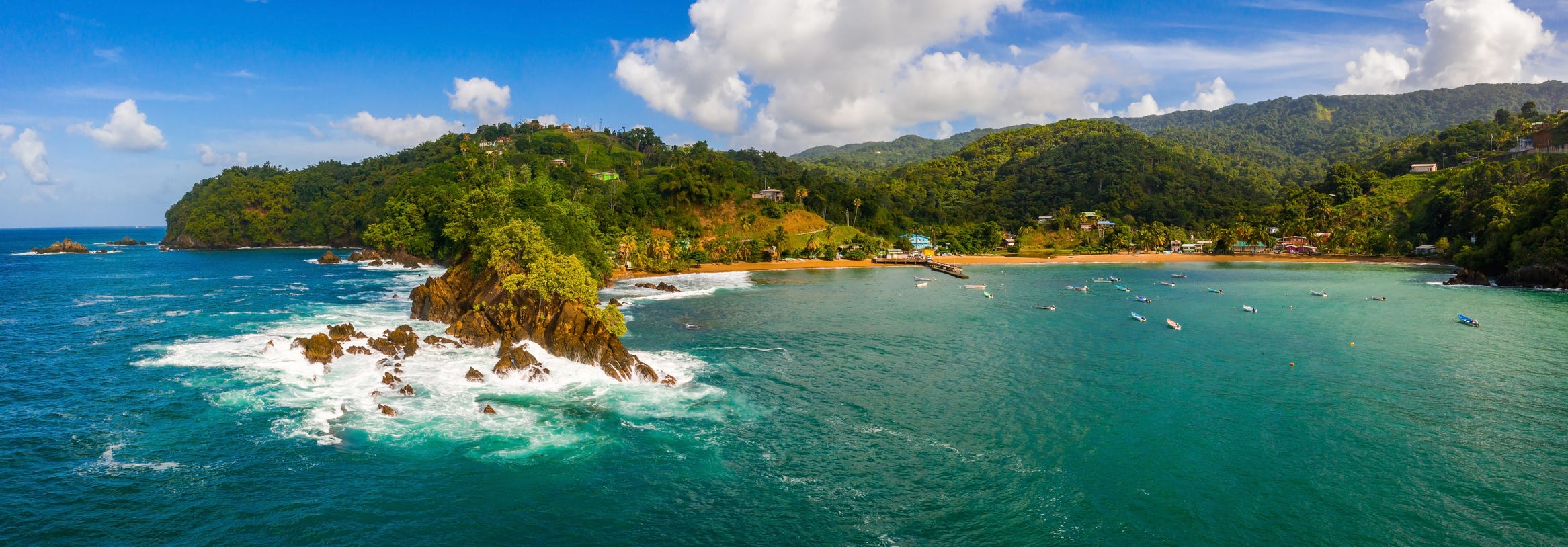
An island life, with the way home left open
A house up the hill from the west coast, shutters open to the trade wind. A swim before the heat, fish on a Friday night with people who have started saving you a seat, a church whose bells you now know by ear, and a cricket score you somehow care about. The bank, the doctor and the man who fixes the roof all keep island time, and after a month you stop minding.
That's the wish people bring to Barbados. A warm, English-speaking second home that doesn't feel like leaving: close enough that the grandkids can come for a long weekend, and orderly enough that the paperwork doesn't eat the year.
The worry runs right alongside it. As one reader put it, "What if we're lonely and broke in the wrong country, missing the grandkids, and then it all goes back to normal here?" Barbados answers more of that question than most places do. It is a free and stable democracy, scored 94 of 100 by Freedom House, thirteen points above the United States. It has direct flights to the United States, so the grandkids are a day away, not an expedition. And it has a one-year remote-work visa that lets a working household try the life before committing a dollar to property.
What Barbados asks in return is a handful of decisions made in the right order: which permit, how your money comes onto the island, how you're covered for health care, and how you'll ride out hurricane season. What I'd check first if this were my household is the money. Barbados still runs exchange controls, and the way your dollars arrive decides how easily they leave again. Get that right and almost everything else in this report is straightforward.
The life
Where Americans actually land. Barbados is small enough that nowhere is far, and its coasts have distinct personalities. The west coast, in St. James and St. Peter, is calm water and the island's most expensive villas. The south coast, in Christ Church, is livelier and more affordable, with Oistins and its Friday fish fry. The east coast, around Bathsheba, is Atlantic surf and quiet. Bridgetown, the capital, has the government offices, the banks and the port; most households visit it rather than live in it.
A good week. Picture a couple in their late sixties renting a house a few minutes inland from the west coast. He swims most mornings before eight, when the water is glass. She volunteers and, to her own surprise, has joined a church choir. The supermarket costs more than they expected, and they've stopped complaining. Friday is fish in Oistins with two couples they met in their first month. On Sundays they drive somewhere new on an island they're still learning. Their daughter's family comes down for spring break, and in July the couple goes north for six weeks, partly to see everyone and partly to be off the island for the start of hurricane season.
What it costs. Barbados is not a budget island. Most of what you eat and use is imported, value-added tax is 17.5%, and housing near the water is priced for visitors with foreign money. Inland, and on the south and east coasts, the arithmetic is gentler. A couple who rents inland and cooks at home lives very differently from one on the beach with a car and a housekeeper. The surprises are structural: good health insurance, a hurricane policy, and exchange-control paperwork.
Health care. Barbados runs a tax-funded public system with polyclinics for everyday care and one acute public hospital, the Queen Elizabeth Hospital in Bridgetown. That hospital treats citizens and permanent residents free; everyone else may be charged. There is a small private sector, led by Bayview Hospital. For a foreign resident the plan is simple: a strong international policy, with medical evacuation written in, because the most serious cases can mean a flight off the island.
People. Barbados is English-speaking, churchgoing, sociable and proud, and it treats good manners as currency: say good morning to everyone, and mean it. The households who settle best join something early. A church, a walking group, a volunteer board, a sailing club. Bajans are generous with welcome and slower with intimacy, and the second year is warmer than the first. You can stay entirely American here and still belong, which answers most of the worry about loneliness.
The verdict
Where Barbados stands: a stable, free, English-speaking democracy that works well for the household moving there, with exchange controls and hurricane season to plan around. Parliament rewrote its residence law this month, mostly in the newcomer's favor, though the new Acts are not yet in force. Current as of November 13, 2026.
What works. Barbados is freer than the United States on Freedom House's measure (94 against 81) and 24th in the world on Transparency International's corruption index, five places above the US. Its politics are steady: Mia Mottley's Barbados Labour Party won all 30 seats on February 11, 2026. Income tax fell this year, and there is no capital gains, inheritance, wealth or gift tax. On November 4, 2026, Parliament passed new Immigration and Citizenship Acts that, once in force, open a clear path to permanent residence.
What doesn't. Money moves under exchange controls: manageable, but punishing if ignored. Public hospital care is free only for citizens and permanent residents, so a foreign resident pays for good private cover. And Barbados sits in the hurricane belt. Storms more often pass close than straight over, but Hurricane Beryl passed south of the island in July 2024 and still wrecked boats and coastline. Hurricane season, June through November, belongs in the plan.
Read one thing in proportion. A Parliament with no elected opposition, three times running, sounds alarming. Here it is the arithmetic of first-past-the-post voting in a small country with a popular government, inside a democracy at the top of every index that covers it. I'd watch it, not worry.
Who it fits. Retired couples with solid US pensions who want warmth, English and order more than a bargain. Winter households who'll stay under half the year. Remote workers trying the life for a year. Wealthy households over 60 who meet the high-net-worth permit. And Americans with a Barbadian parent, grandparent or great-grandparent.
Who it doesn't. Households for whom cost decides. Anyone counting on free public health care from day one. Same-sex couples who need their relationship recognized in law. Households that move large sums in and out often. And anyone who can't live with a hurricane plan.
The bottom line: Barbados is one of the freest and easiest places in the Caribbean for an American household to build a second base, as long as the money comes in the right way and the health cover and storm plan are settled before the first winter.