


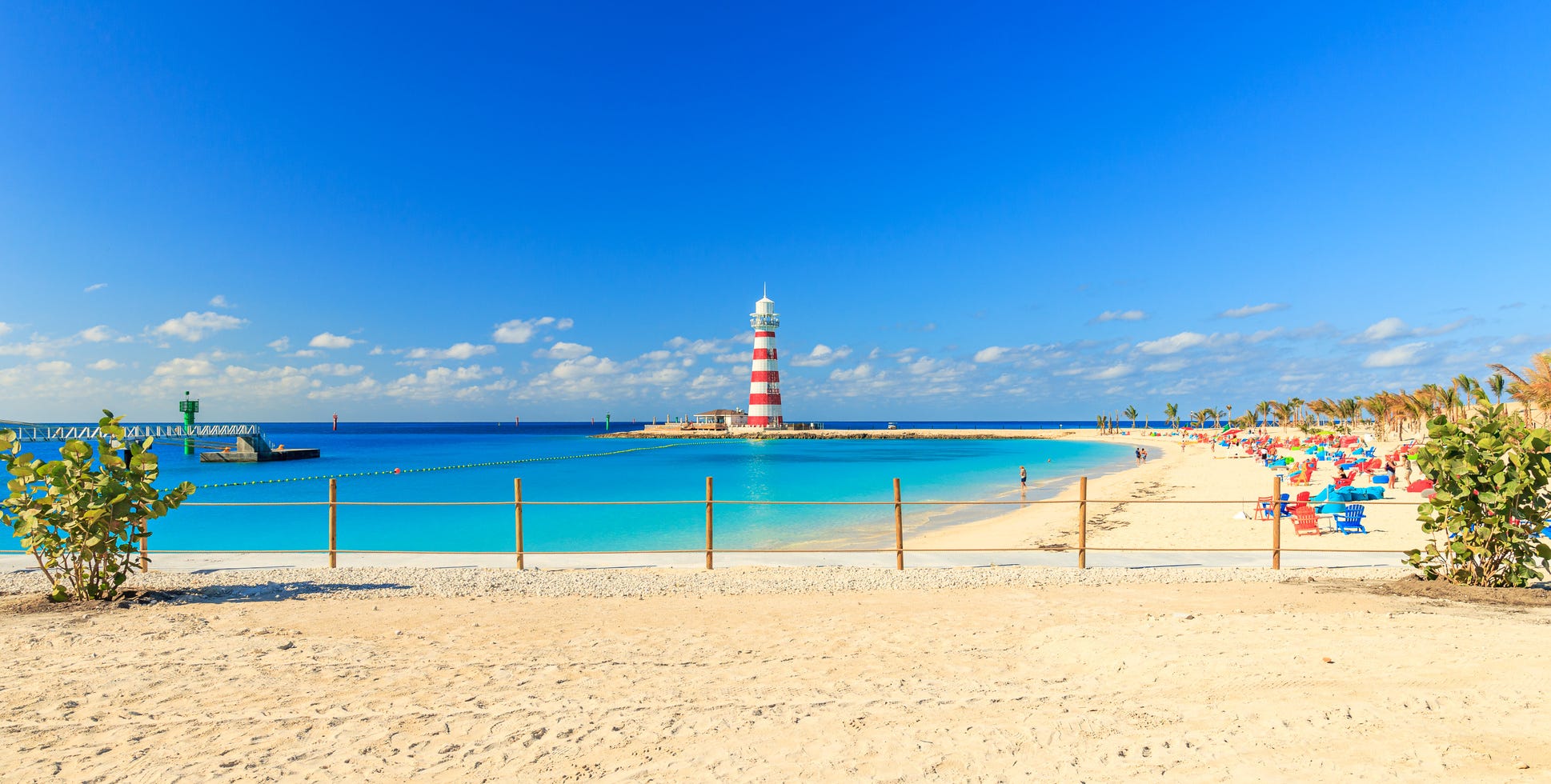
A house by the water, close to home
Shutters open in the morning and the sound of the water underneath them. Coffee on the porch while the boats head out. A small island where you run errands by golf cart and the woman at the bakery knows which bread you like, or a quiet corner of Nassau with a marina, a good doctor and a bank that answers the phone. Friends who fly down for a few days because it's barely more trouble than visiting Florida. Winters you stop dreading.
That's the wish people bring to the Bahamas. Not a move to the far side of the world: a second home close enough that the kids and grandkids can come for a long weekend, in a country that speaks English, prices things in dollars and keeps the United States a short flight away.
The pull is easy to understand. The paperwork takes more thought. The Bahamas has no income tax, which is the first thing everyone hears and, for an American, the least important, because the US keeps taxing its citizens wherever they live. What matters more is which permit you hold, what the house you buy commits you to, how you'd reach a hospital, and what you do when a hurricane comes. As one reader put it, "We have money, but not enough to survive a massive mistake." The Bahamas has a few mistakes it punishes. Every one of them can be planned around.
If this were my household, the first thing I'd check isn't the beach. It's the island, because in the Bahamas the island decides almost everything else: the hospital, the flights, the power supply and the storm exposure.
The life
Where Americans actually land. Most land in one of three kinds of place. Nassau's western and eastern ends, and Paradise Island across the harbor, for households that want schools, banks, a private hospital and the most flights. The boating towns of the Out Islands, places like Hope Town in Abaco or Harbour Island and Governor's Harbour in Eleuthera, for people who want a village and a dock. And Exuma and the quieter cays for people who mostly want the water and are happy to fly or boat for anything else. Grand Bahama, around Freeport, is the less expensive option, with its own rules and a slower pace.
A good week. Imagine a couple in their sixties renting a cottage on Eleuthera from November to April. He might fish three mornings a week with a neighbor who has done it for forty years. She might join a church choir, as much for the Sunday lunches afterward as for the singing. Mail-boat day, when the fresh produce comes in, is the day everyone is at the store. Their daughter's family could fly down for Thanksgiving and again at spring break, on a short, direct flight. And if something serious came up, they'd fly to Nassau or to Florida, because they'd planned for that before they arrived.
What it costs. The Bahamas is not a budget country. Almost everything is imported, so groceries, building materials and electricity cost more than most Americans expect, and more again on the smaller islands. The fixed costs are the ones to budget first: the yearly permit fee, the property tax if you own, insurance written with hurricanes in mind, and good health cover. The trade is that you aren't paying an income tax on top of the US one, and the dollar in your pocket is the same dollar you earned.
Health care. Nassau has a large public hospital and private hospitals and clinics; the Out Islands mostly have small clinics. The national health insurance program covers primary care, meaning doctor visits, screenings and some lab tests, for legal residents of the Bahamas who hold a National Insurance smart card; ask early whether your permit gets you one. It isn't hospital cover. The households that do this well carry an international health policy that includes medical evacuation, and they know before they need it which Florida hospital they'd go to.
People. Bahamians are warm, proud and quick to notice whether you're a visitor or a neighbor. English makes the start easy. Belonging takes showing up: a church, a sailing regatta, a local charity, the island's own festivals. Long-time foreign residents are a familiar part of island life, and the ones who are happiest stopped treating the Bahamas as Florida with better water. It isn't, and the difference is most of the charm.
The verdict
Where the Bahamas stands: a stable, free, English-speaking democracy next door to Florida that works well for a household with passive income and a plan for storms. Its weak points are hurricanes, the cost of island life and some civil-liberties gaps. Current as of November 13, 2026.
What works. The country is free: Freedom House scores it 90 of 100, nine points above the United States. Voters returned the government on May 12, 2026, in an election observers called peaceful and orderly. Moody's upgraded the country's credit rating in April 2026. The Bahamian dollar is pegged one-to-one to the US dollar. There's no income, capital gains, wealth or inheritance tax, the law is English common law, and Social Security arrives normally. A Permit to Reside costs $3,000 a year per person, with no published income minimum.
What doesn't. Hurricanes, first: Dorian in 2019 was the strongest in modern records to hit the country. Island life is expensive, and serious health care often means a flight. Permanent residence now takes $1 million held for ten years, and the remote-work permit has been suspended since at least 2022. The Bahamas doesn't allow dual citizenship for adults, so for most Americans permanent residence is as far as it goes.
On civil liberties, the Bahamas is a free country with long-standing gaps rather than a slide. Same-sex relationships are legal, but same-sex couples have no legal recognition. Abortion is allowed only to protect the woman's health. Rape within marriage is still not a crime. Freedom House also flags violent crime and corruption in law enforcement; choose a neighborhood with the care you'd use in any American city.
Who it fits. The retired or semi-retired household with income from the US that wants a winter home, or a full life, within easy reach of family; boaters; and wealthier households for whom $1 million in Bahamian property is part of the plan anyway.
Who it doesn't. Anyone who needs to work locally or remotely on arrival; anyone whose health needs a specialist close by; anyone who can't live with a hurricane plan; and households for whom LGBTQ+ legal equality or access to reproductive care is non-negotiable.
The bottom line: the Bahamas is a sound second base for the household it fits, as long as the island, the permit and the storm plan are chosen before the house.