


A calm, well-run life
An apartment in an old building with tall windows and a tram stop outside. Coffee and the newspaper in a café where nobody hurries you out. An evening at a concert hall you used to fly across an ocean to visit. A lake an hour away, mountains an hour beyond that, and a train that gets you to both on time. Streets you walk home on at midnight without a second thought.
That's the wish people bring to Austria. Not drama and not reinvention: a calm, orderly life with real culture at the door, a health system that works, and the confidence that the place will still be the same place in ten years.
Austria can give you that. It is one of the most peaceful, best-governed and freest countries in the world, and it ranks ahead of the United States on nearly every measure in this report. What it doesn't do is make the getting-there easy. The door for a household living on its own money is narrow and capped each year. The tax system decides you live there sooner than most Americans expect, and it treats an ordinary American investment portfolio harshly. And citizenship, for most Americans, would cost them their US passport.
As one reader put it, "We have money, but not enough to survive a massive mistake." Austria's mistakes are few, specific and avoidable, and nearly every one of them is settled before you sign a lease. If this were my household, that's where I'd start: with the order, not the apartment.
The life
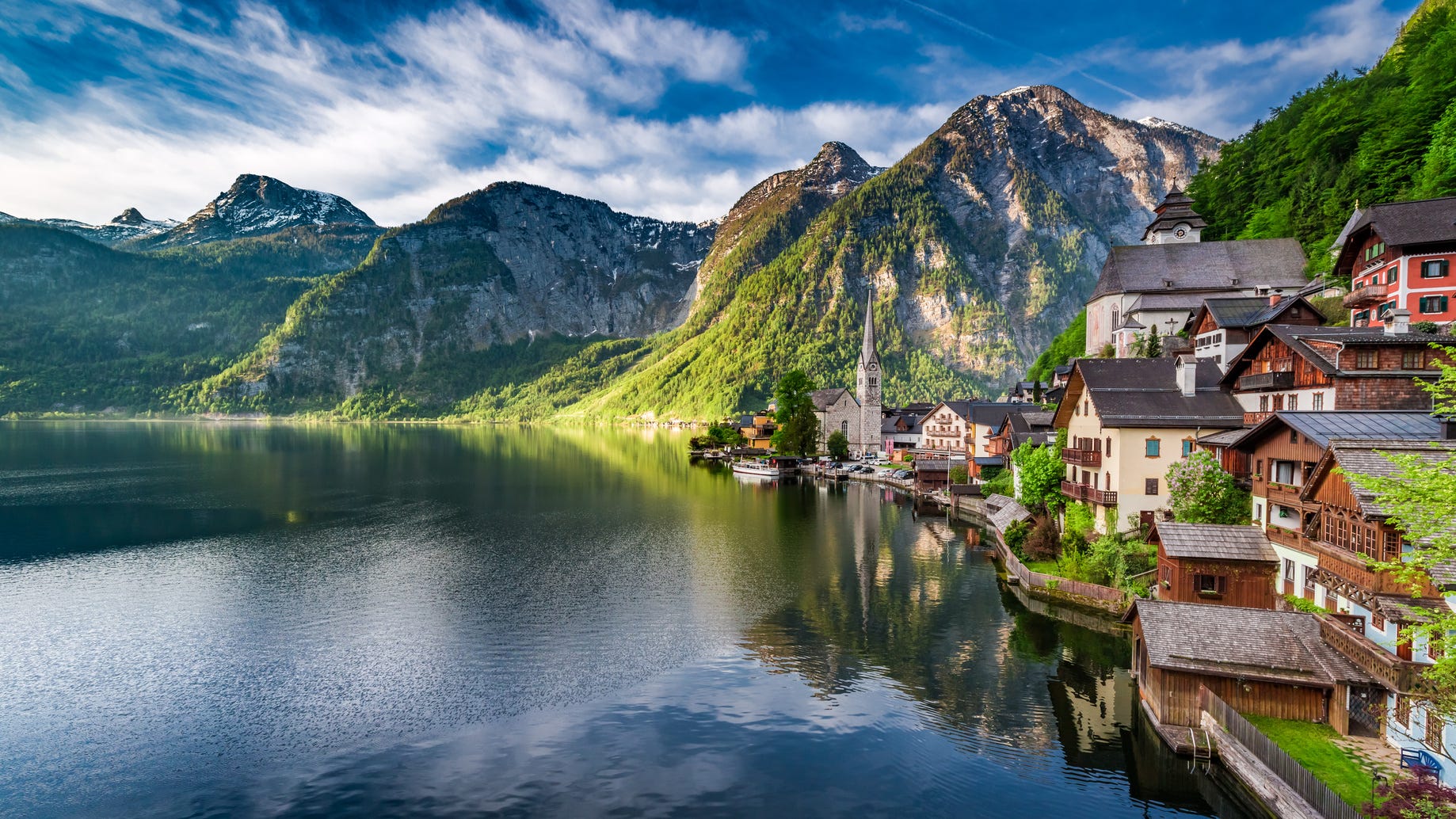
Where Americans actually land. Most land in Vienna: it's a real capital with an international community, English-speaking doctors and schools, and a cultural calendar that never runs out. Salzburg and the lakes of the Salzkammergut draw people who want a smaller city with mountains in view. Graz, the university city in the south, suits people who want a livelier, younger town without Vienna's scale. Innsbruck and the Tyrol are for skiers and hikers, though the Alpine provinces are the hardest places in Austria for a foreigner to buy a home. A smaller group heads for the lakes of Carinthia, closer to Italy and Slovenia than to Vienna.
A good week. Picture a couple in their sixties in a rented apartment in one of Vienna's leafy outer districts. Monday and Wednesday mornings are German class, where they met half the people they know. Tuesday is the market. Thursday is a long walk in the hills at the edge of the city, ending at a wine tavern. Friday night is a concert. Once a month they take the train somewhere else for the weekend: Salzburg, Munich, Budapest. In July the grandkids come and everyone decamps to a rented house on a lake. Sundays are genuinely quiet, and after a few months they stop fighting it.
What it costs. Vienna isn't cheap, but day-to-day costs rarely surprise anyone. The costs that do are structural: income taxed at European rates once you're resident, health insurance you pay for yourself, and an accountant who can file in two countries without drama. Prices are climbing this year too, mostly on energy.
Health care. Austria runs a public insurance system that covers nearly everyone who works, and it's good. A household living on its own money isn't automatically in it. To get the residence permit you need private insurance that covers all risks in Austria. Once you live there, you can join the public system voluntarily: in 2026 that costs €565.25 a month per person, and care starts after a six-month waiting period. Most people who can afford it also keep private supplementary cover, for shorter waits, a private room and the doctor of their choice.
People. Austrians are courteous, a little formal and slow to make close friends, and loyal once they have. The households that do best treat the German requirement as a gift rather than a hurdle: it pushes you into a classroom, and the classroom pushes you into the town. Join something, whether a choir, a hiking club or a parish volunteer group. Vienna's international community makes the first year easier, and the Austrians you meet through a club make the third year feel like home.
The verdict
Where Austria stands: a stable, free and very safe country that works well for the household living there. The hard part is getting in, not living there. Current as of November 13, 2026.
What works. Austria ranks 6th of 163 countries for peacefulness; the United States ranks 134th. It scores 94 of 100 with Freedom House, 13 points above the United States, and sits 11th of 143 on rule of law. Press freedom improved this year, to 19th of 180 from 22nd. Same-sex couples can marry, and abortion is available on request in the first 90 days.
What doesn't. Austria's permit for people living on their own money is capped each year at a few hundred places nationwide, requires real income and basic German before you arrive, and forbids work. Taxes are high once you're resident, with no special regime for wealthy newcomers, and the tax system can treat you as resident from the day you have a home there. Many American funds are taxed harshly. And naturalizing generally means giving up your US citizenship, so for most households permanent residence, not a passport, is the finish line.
The one area under pressure is immigration politics. Since March 2025 the government has paused family reunification for refugees, and a draft regulation would now cap it at 314 places a year. That pressure is aimed at asylum, and the permit this report is built around hasn't changed its terms. Separately, inflation ran 3.6% in October 2026, driven by energy: near-term pressure, not a change in the country.
Austria fits a couple or a single buyer living on pensions and investment income, who wants a city life with culture and good health care, will learn German, and is content with permanent residence rather than a second passport. It fits same-sex couples well. And for families descended from victims of Nazi persecution, it may offer a direct door to citizenship.
Austria fits poorly anyone who needs to work locally or keep consulting, anyone looking for a low-tax base, anyone set on a second passport through residence, and anyone whose heart is set on buying an Alpine chalet in year one.
The bottom line: Austria is one of the soundest second bases in Europe for the household it fits, as long as the permit, the portfolio and the tax residence question are settled before the move.