


A big, bright life, in English
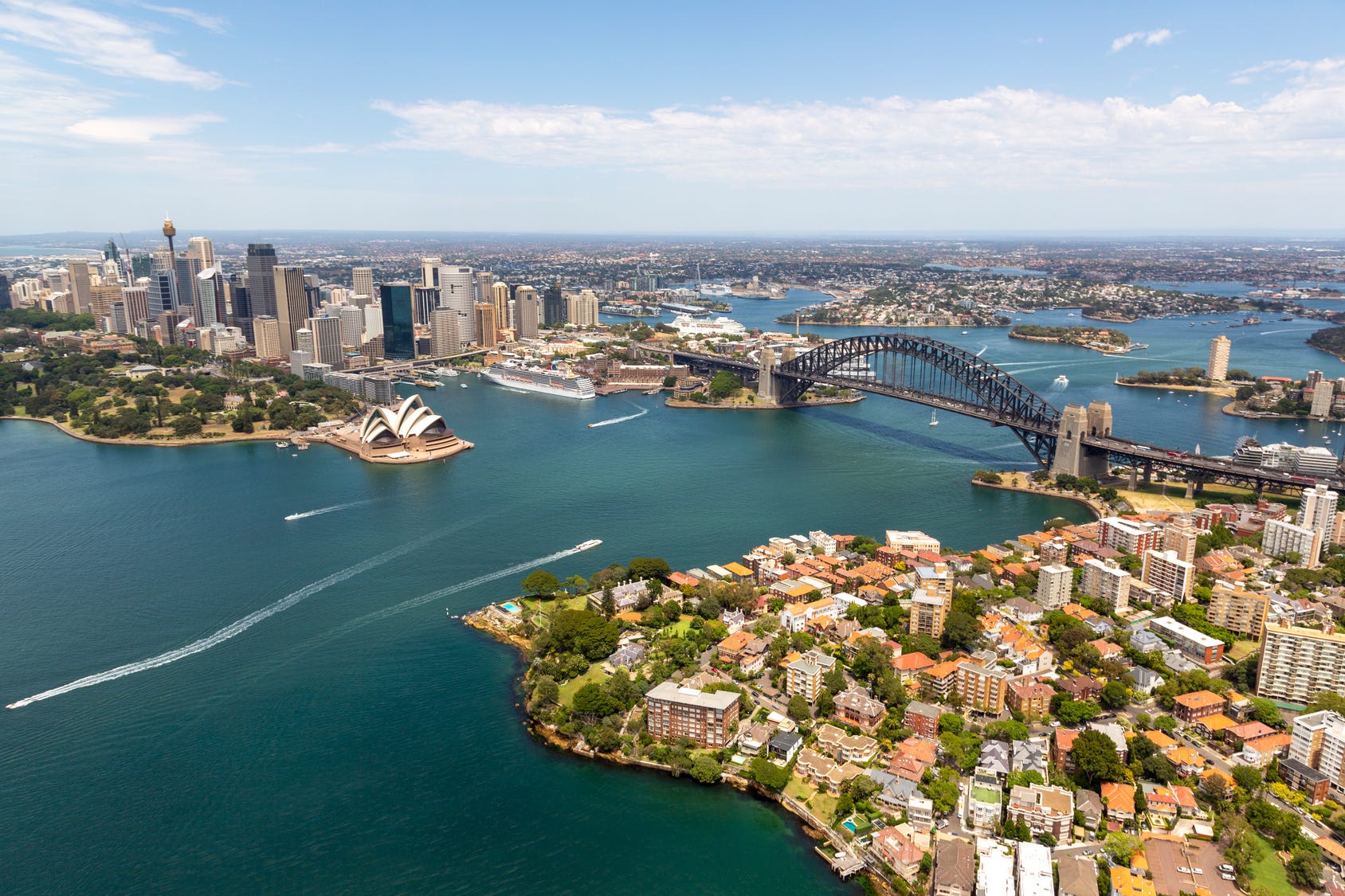
A morning swim before the beach gets busy. A back garden where the lemon tree takes care of itself. A city with serious coffee, full parks and a coastal walk you never tire of. The grandkids ten minutes away instead of a day's travel. And all of it in English, with health care that works and a government that mostly does what it says it will.
That's the wish people bring to Australia. For a lot of American households it isn't abstract. A son or daughter married an Australian, the grandkids now have the accent, and the question has quietly changed from "should we visit more?" to "should we be there?"
It's also the move that draws the strongest reaction at home. As one reader put it, "Everyone we know thinks we're crazy." Australia is far: a long flight, the seasons upside down, a day ahead on the calendar. But it isn't crazy. It is one of the freest, safest and best-run countries in the world, and the life there can be every bit as good as the wish.
What makes Australia unusual is the door, not the life. The country closed its investor routes in 2024 and no longer takes new self-funded retirees. For an American who isn't working, the way in now runs through family, or through a part-year plan that never needs a residence permit at all.
If this were my household, that's what I'd check first: not which suburb, but which door we actually qualify for. Everything else in this report follows from that answer.
The life
Where Americans land. Mostly where the family is, which usually means one of the big coastal cities. Sydney for the harbor, the beaches and the biggest job market for adult children, at the highest price. Melbourne for food, galleries, sport and weather that changes its mind by the hour. Brisbane and the Sunshine and Gold Coasts for warmth, space and a slower pace. Perth for the west coast and its long, dry summers. Adelaide and Hobart for smaller cities, wine country close by and a gentler cost of living.
A good week. Picture a hypothetical couple in their late sixties, renting a house fifteen minutes from their daughter's family. Tuesdays and Thursdays they'd do the school pickup, which the grandkids would pretend to find embarrassing. Saturday would be the farmers market, then the kids' sport, then a barbecue that runs long. He might join a bowls club where the average member is eighty and plays like a shark; she might walk the coastal path most mornings with two women she met there. Their evening is the American morning, so the calls home would happen over dinner.
What it costs. Australia isn't cheap. Housing in Sydney and Melbourne is expensive by any measure, and the big cities run close to a major American city for daily costs. The costs that surprise people are structural. Visa charges for the family routes are large. Private health cover is a must until you're in the public system. And a foreign buyer generally can't purchase an existing home, so most households rent first.
Getting there and back. The flights are long, so most households build the year around the seasons. Australia's summer is America's winter, which means a part-year family gets two summers, and a full-time one learns to eat Christmas lunch at the beach.
Health care. Medicare, Australia's public system, is universal for citizens and permanent residents, and it's good. Visitors and temporary visa holders aren't covered, and the United States has no reciprocal health agreement with Australia, so an American on a visitor or temporary visa needs private insurance for everything. Once you hold a permanent visa, such as a parent visa, you can enroll in Medicare like anyone else. Many then add private hospital cover for choice of doctor and shorter waits for elective surgery.
People. Australians are easy to meet and slower to let you past the barbecue. The households who settle best join something: a surf lifesaving club, a choir, a walking group, the local bowls or golf club, a volunteer roster. The humor is dry and the teasing is a sign of affection. Take it, return it gently, and you're in. Being American is mostly an asset, and your accent will start conversations for you.
The verdict
Where Australia stands: a free, safe, exceptionally well-run country that is hard to move to unless you have family there. Current as of November 13, 2026.
What works. Australia rates among the world's freest and most peaceful countries, well ahead of the United States on both. The health system is universal for permanent residents. The language is yours. And the money side has two quiet gifts: under the US treaty, your Social Security is taxed only by the US, and Australia has no inheritance, estate or wealth tax.
What doesn't. The door, first. The investor visa program closed in 2024, and the retiree visa takes no new applicants. The family routes that remain are expensive and slow. Housing is costly, and foreign buyers are barred from existing homes until mid-2029. The tax rules are also mid-overhaul: from July 1, 2027, capital gains lose their long-standing 50% discount.
The trend, in proportion. Australia fell from 29th to 33rd in world press freedom this year, still far ahead of the US at 64th. Pauline Hanson's One Nation party, which campaigns against high immigration, has led several national polls this year, most recently a late-October Newspoll at 28% to Labor's 27%, in a country where Labor won a large majority in May 2025. And on December 14, 2025, an antisemitic attack on a Hanukkah celebration at Bondi Beach killed 15 people. In one of the world's most peaceful countries, the response was a royal commission and a push for nationally consistent gun laws. None of it has touched a visa, a pension or a property title.
Australia fits parents whose child is an Australian citizen or permanent resident, Americans with an Australian partner, and households happy with a part-year plan of a few months at a time. It also suits the rare leader in a field invited onto the talent visa.
Australia fits poorly retirees with no family tie who want to live there full time, investors looking to buy residence, households that want to buy an existing home on arrival, and anyone who can't face the flight twice a year.
The bottom line: a superb place to live and, for a household that isn't working, a hard one to get into. If your family is there, the door exists. Plan for the wait.